 by
by Volvo receives exemption from US rules on connected vehicles
Volvo, owned by Chinese concern Geely, has received a special permit from US authorities allowing it to continue selling and importing its vehicles in the United States. This became possible after the US administration introduced new rules aimed at restricting the use of technologies from China and Russia in the automotive industry.
Essence of the rules and exemption for Volvo
At the end of the Biden administration’s term, the US Department of Commerce adopted a rule prohibiting the sale and import of hardware and software for connected vehicles, as well as the vehicles themselves, if they have ties to China or Russia. This decision was justified by national security concerns, particularly fears of cyber espionage and threats to US critical infrastructure.
The ban covered communication systems such as Bluetooth, cellular, satellite, and Wi-Fi modules, as well as automated driving systems. Software restrictions were set to take effect from the 2027 model year, and hardware restrictions from 2030.
However, Volvo received a “specific authorization” from the Office of Information and Communications Technology and Services. This effectively exempts the company from the rule “Securing the Information and Communications Technology and Services Supply Chain: Connected Vehicles.”
Volvo’s response and future plans
Volvo stated that this decision was the result of “constructive negotiations with the US Department of Commerce and other US officials regarding Volvo Cars’ management, technology, and data security.” Despite the complex relations between Beijing and Washington, which have created challenges for the company, the permit allows Volvo to continue its growth plans in the US market.
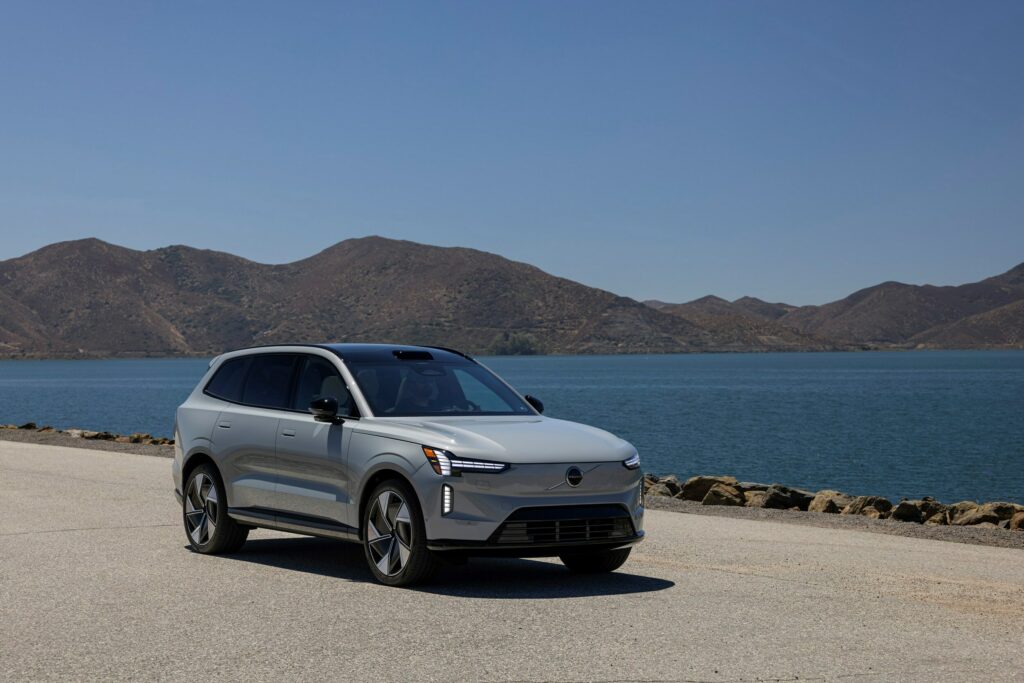
America is one of the largest markets for Volvo. It hosts a large plant in Charleston, South Carolina, which has been operational since 2017, employs over 2,000 people, and has received investments totaling more than $1.3 billion. Currently, the plant produces the Volvo EX90 and Polestar 3. By 2030, the company plans to produce two more models there, including the XC60, production of which will begin later this year.
Thus, the obtained permit allows Volvo to avoid severe restrictions and continue its operations in the US market, which is an important step for the company amid geopolitical tensions.
This situation shows that even under strict regulatory conditions, exceptions are possible for companies that demonstrate a willingness to engage in dialogue and meet security requirements. For Volvo, this is not only about preserving a sales market but also a confirmation of trust from US authorities, which could positively impact further investments and production development in the United States. At the same time, it highlights the complexity of global supply chains in the automotive industry, where political decisions can have a direct impact on the business strategies of international corporations.