 by
by JLR’s Problems in China: Range Rover Discounts Reach 60%
JLR has found itself in a difficult situation. On one hand, it announced the addition of hybrid powertrains to its future compact Defender, as demand for electric vehicles in the US grows slower than expected. On the other hand, the opposite trend is observed in China: due to massive demand for electric vehicles, gasoline-powered Range Rovers are being sold with huge discounts.
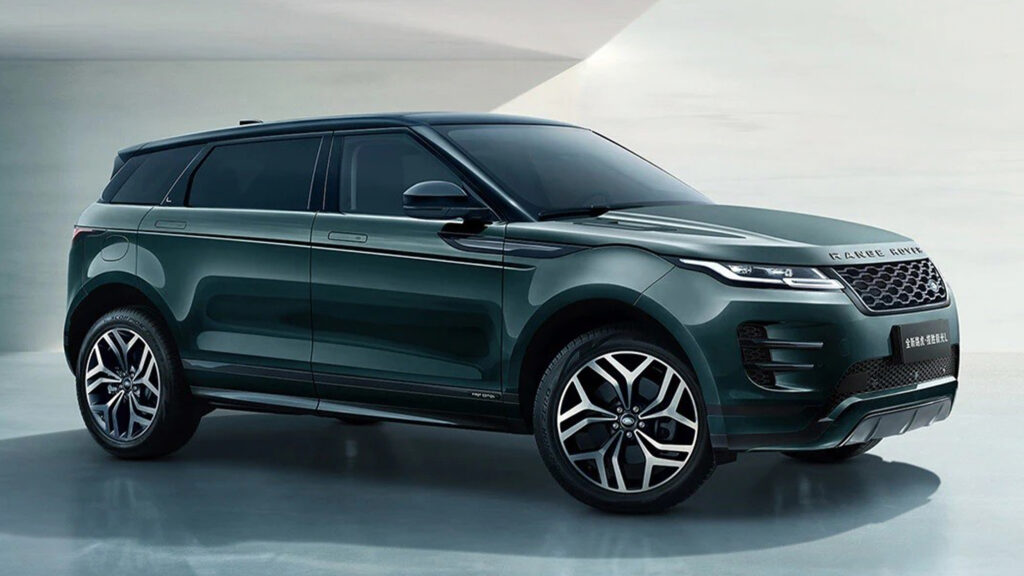
Nearly 60% Discount on Range Rover Evoque L
According to Chinese publication Jiemian, the locally assembled Range Rover Evoque L was recently advertised at a price of only 179,800 yuan, equivalent to approximately $26,600. That is nearly 60% (or $36,900) less than its official recommended price of 429,800 yuan ($63,500). Such a discount is an extremely rare occurrence for a premium SUV from one of the most prestigious brands.
Decline in Value of Gasoline Cars
The Evoque issue is not unique. Data shows a sharp increase in discounts on gasoline vehicles from January to May 2026, as dealers try to sell existing inventory. According to the China Passenger Car Association, the average discount on gasoline vehicles for the first five months of the year was 33,000 yuan ($4,900), almost double the 17,000 yuan ($2,500) a year earlier.
Electric vehicles and plug-in hybrids are performing significantly better, reflecting the rapid growth in popularity of electrified vehicles among Chinese buyers.
Crisis in the Used Car Market
The situation has become particularly painful in the used car market. As more drivers trade in their gasoline cars for electric vehicles, resale values have plummeted. This creates a vicious cycle that makes buyers increasingly hesitant to purchase a new gasoline car. According to Bloomberg, the average transaction price for internal combustion engine vehicles fell by 19% in May alone, and a typical three-year-old car now costs only 38% of its original value, compared to 60% in 2023.
Contrast with the US Situation
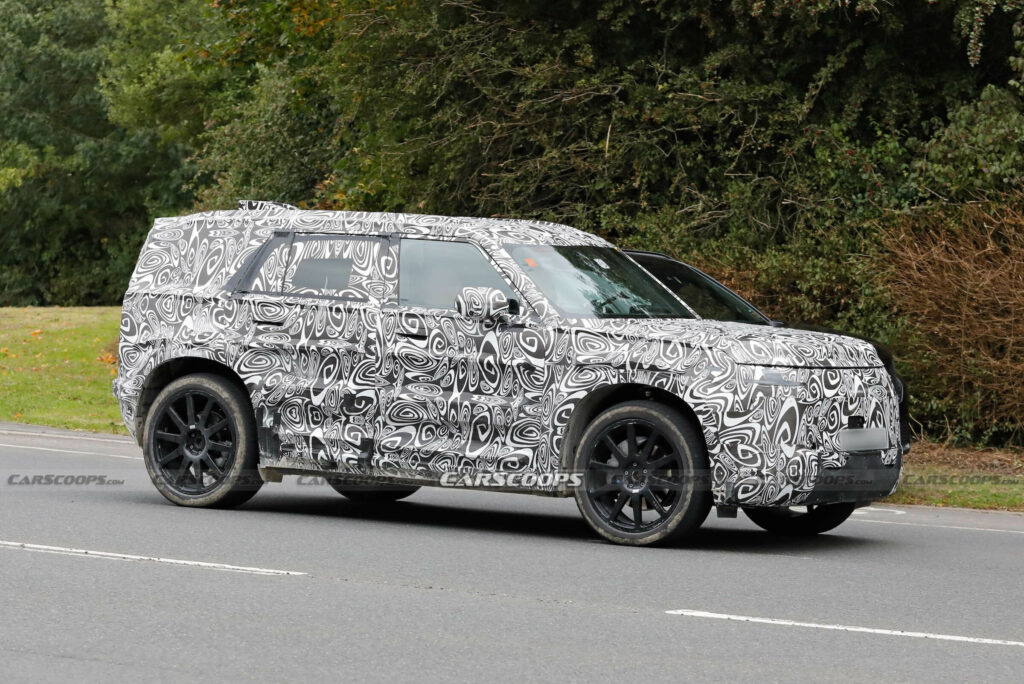
Interestingly, this contrasts with the announcement made by JLR on the same day. The British automaker confirmed that its new compact Defender, as well as future models on the EMA platform, which are expected to include the next Velar and Evoque, will now offer a full hybrid option, although they were initially planned exclusively as electric vehicles.
This move appears to be largely driven by disappointing EV sales in the US, which is now JLR’s largest market. While Chinese buyers are quickly abandoning internal combustion engines, many American customers are still hesitant to switch to fully electric cars.
Global Challenge for Automakers
This perfectly illustrates the challenge faced by all global automakers. Producing too many EVs risks losing sales in the US. Producing too many gasoline cars risks having to slash prices in China. For companies like JLR, balancing between these two markets is complex, costly, and fraught with risks.
The situation surrounding JLR demonstrates just how different the development paths of automotive markets are in different parts of the world. China is rapidly moving towards electrification, leading to a devaluation of traditional models, while in the US, demand for electric vehicles is still being shaped. This forces manufacturers like JLR to seek flexible solutions, such as adding hybrid versions to models initially planned as fully electric. This strategy allows adaptation to different consumer preferences but also complicates production processes and increases costs. Ultimately, success will depend on companies’ ability to accurately forecast demand and quickly respond to changes on a global level.