 by
by New Battle on the Assembly Line: AI and Robots vs. Jobs
For decades, the automotive industry has fought over wages, benefits, and plant closures. Now, a new battle is emerging on factory floors across America that could prove to be the most important of all. As automakers race to implement artificial intelligence, collaborative robots, and increasingly automated production systems, the UAW warns that the technological revolution could come at the expense of workers.
Speaking at the UAW Constitutional Convention in Detroit, union President Shawn Fain identified AI and robotics as growing threats to manufacturing jobs, according to The Detroit News. His concern is not so much about the technology itself, but about who benefits from it. As factories become more productive through automation, union leaders argue that workers should share in those gains, not watch their jobs disappear.
An Old Argument in a New Context
The argument itself is not new. If a pen factory finds a way to produce 100 pens per hour instead of 10, most people would agree that all participants in the process should benefit. Consumers might pay less, the company could make more profit, and workers could receive better pay or work fewer hours. The debate around AI and robotics in auto manufacturing comes down to the same question: who benefits when technology makes every worker significantly more productive?
Automakers, according to the UAW, see the situation differently. Unquestionably, they face fierce global competition. A significant portion of this comes from rapidly advancing Chinese manufacturers. This pressure makes AI and robotics vital tools for improving efficiency, quality, and reducing production costs. And this isn’t just the thinking of one or two brands.
AI must work for working people, and we must have a voice in deciding how it is used on the job.
America’s unions are uniting to protect workers, and we are fighting for a future of AI in this country that works for ALL of us, not just big tech.
— AFL-CIO ✊ (@AFLCIO) June 15, 2026
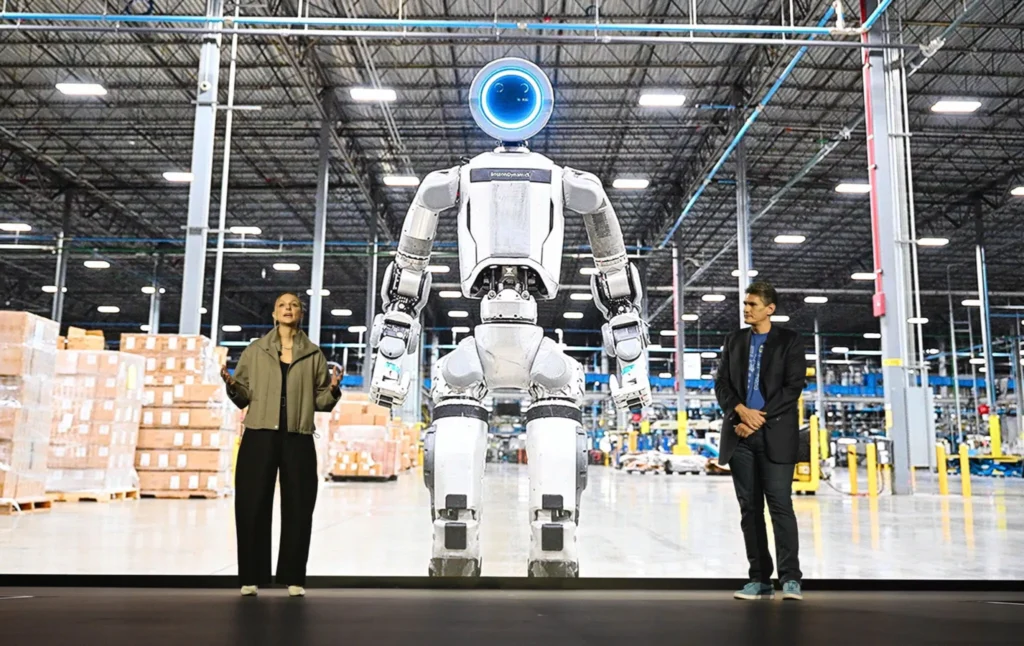
General Motors states that approximately 50 collaborative robots (cobots) at its Factory ZERO in Detroit help improve safety, flexibility, and operational efficiency. While the automaker notes that cobots require human interaction, it also recently laid off over 1,000 workers related to electric vehicle production. This presents a rather complex picture from a public relations standpoint.
Hyundai, Nissan, Ford, Honda, and Stellantis are also actively using robots and cobots to improve production. This makes the question not so much whether automation will come, but how its benefits will be distributed.
Automakers argue that higher productivity helps keep plants competitive and protects long-term investments. The UAW believes workers deserve guarantees that technological progress will not simply lead to job cuts. Which side will ultimately prevail, we will likely only discover in a few years.
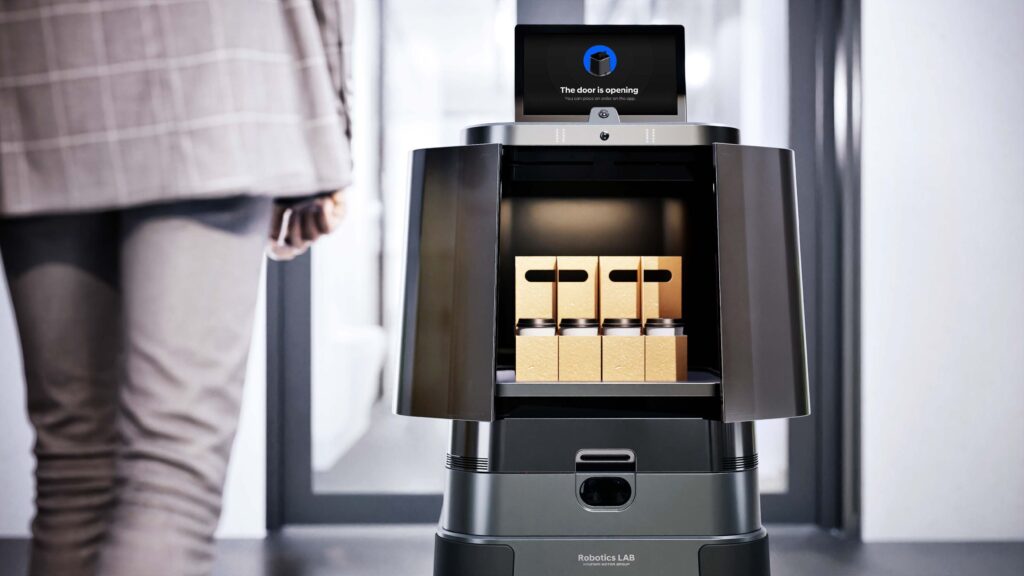
The emerging situation recalls a classic conflict between efficiency and social justice. On one hand, automation is an unavoidable condition for the auto industry’s survival in the face of intense competition, particularly from China. On the other hand, history shows that technological breakthroughs often lead to job cuts without targeted measures for retraining and fair profit distribution. GM’s example is telling, where the introduction of cobots was accompanied by layoffs, which only reinforces union mistrust. Future negotiations between the UAW and automakers will likely become a battlefield not just for wages, but for workers’ right to have a say in the implementation of new technologies, potentially defining the face of the entire industry for decades to come.