 by
by Campaign against those who “occupy” the left lane
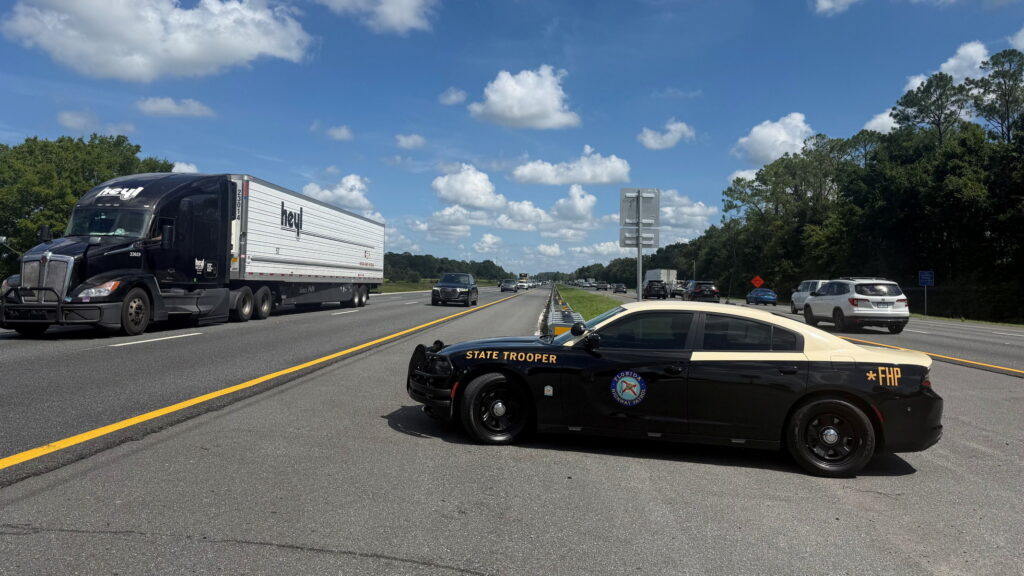
Drivers in Florida should now be especially careful and keep their speed very close to the posted limit, otherwise they could easily end up with a fine. That warning came after the launch of a new campaign targeting drivers who unnecessarily occupy the left lane. This gives police the opportunity to fine two categories of offenders at once: those who drive too slowly and those who speed while overtaking. That situation is good for filling the budget, but from a safety and infrastructure standpoint, it looks like a lose-lose scenario.
What Florida law says
Under Florida Statute 316.081, if there are two or more lanes traveling in the same direction, a driver may not remain in the far left lane when they know or reasonably should know that a faster vehicle is approaching from behind. There are reasonable exceptions for overtaking and preparing for a left turn, but in general, it is a traffic violation. This very rule became the basis for the recent police campaign described by the Florida Highway Patrol.
The left lane is for passing only
In a short video, the department emphasizes that the left lane is intended exclusively for passing. During the crackdown, officers stopped many drivers who were simply traveling in the left lane and issued them citations. Orange County sheriff’s deputies are absolutely right to remind people of the danger of improper left-lane use. When a driver cannot pass a slow car, they begin to resort to risky maneuvers, which threatens all road users. In addition, speed difference matters a great deal. Federal highway studies have repeatedly confirmed that crash risk increases when a vehicle’s speed differs significantly from the surrounding traffic flow—regardless of whether it is going faster or slower.
Speed difference works both ways
This does not mean that a person driving slowly in the left lane is as dangerous as a driver going over 100 mph. But it is precisely this kind of behavior that often leads to hard braking, nervous lane changes, and increasingly reckless decisions on the road. Research by the Federal Highway Administration also links greater speed variation with higher crash rates. This is especially interesting in Florida, where infrastructure often encourages driving faster, while police at the same time pull over those who accelerate to 100 mph or exceed the limit by 50 mph.
Stricter law for those driving too fast
That threshold is set by House Bill 351, known as the “super speeder” law. It took effect on July 1, 2025, and introduced a criminal offense—dangerous excessive speeding. A first conviction carries up to 30 days in jail and a $500 fine. A repeat offense is punishable by 90 days in jail and a $1,000 fine.
Roads that encourage speed
The state is essentially asking drivers to control themselves on roads that are designed as if they were meant for speeds far higher than posted on the signs. Wide, smooth multi-lane highways with large shoulders, open sightlines, and a series of exits can seem safe for fast driving. And in some conditions, they really can be safe for very high speeds.
Driver and infrastructure responsibility
Drivers are responsible for their decisions. Full stop. But if the road geometry allows half the traffic flow to maintain one speed while signs and police demand another, then the problem is not only with drivers. It is infrastructure that sends contradictory signals and then acts surprised when people interpret them differently.
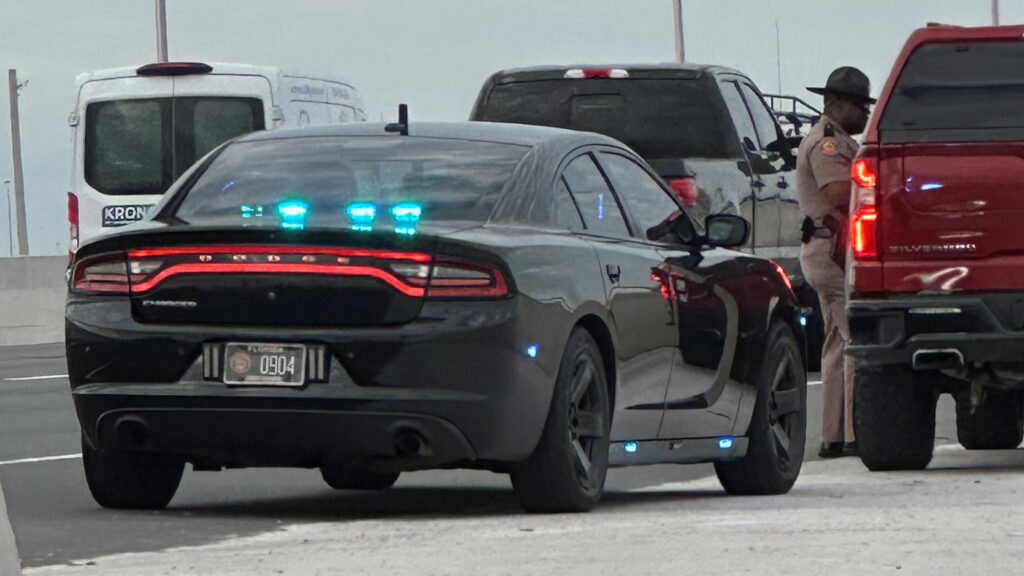
Photo: FHP
This approach creates a rather contradictory situation: almost anyone can receive a ticket. If you drive in the left lane slower than the posted speed limit—you are violating the law. If you speed up a little to complete a pass—you are also violating the law. The rule “keep right unless passing” has long been in effect in many countries and does improve road safety. But without revisiting speed limits and adapting road infrastructure, such a crackdown risks becoming merely a tool for filling the budget rather than a real solution to the problem. After all, safety begins not when a driver fears a fine, but when the road itself suggests correct and safe behavior.