 by
The EU introduces a quota on Chinese hybrids
After the European Union imposed tariffs on Chinese electric vehicles, affected manufacturers shifted their focus to hybrids and began exporting them to the EU en masse. Now the EU has decided to take measures on these hybrids as well, announcing a strict quota to protect local car brands and reduce the trade deficit with China.
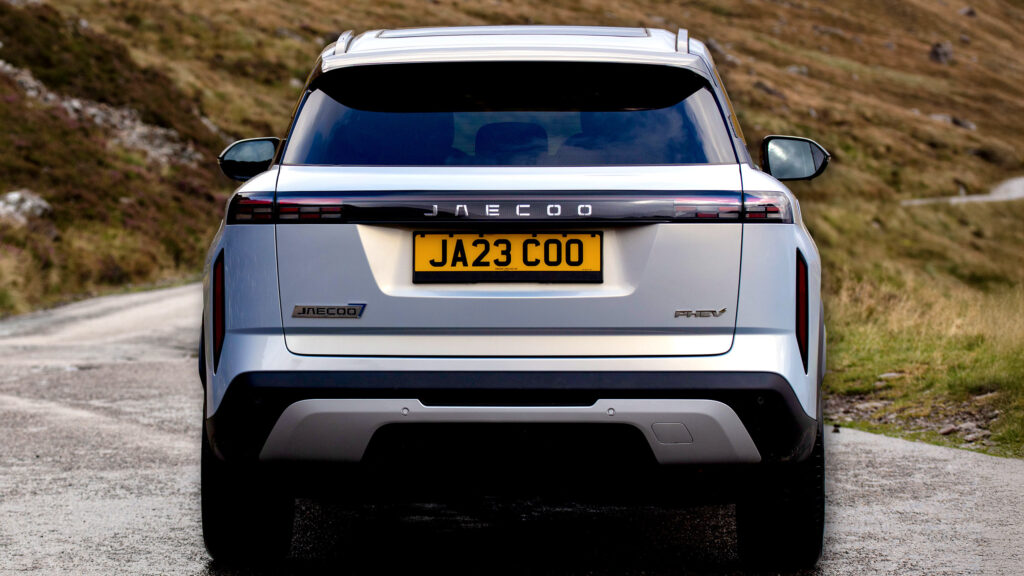
Under the new agreement, which still has to be approved by member states, the number of hybrids from China entering the European market must more than halve over the next four years. Although some key details remain unconfirmed, the quota in 2027 is expected to be only 350,000 hybrids, then increase by 6% annually. For comparison, about 800,000 Chinese hybrids were forecast to arrive in the EU this year.
At the same time, there is information that next year the quota will actually be limited to 500,000–700,000 vehicles. Without a quota, Chinese brands would quickly account for most sales of hybrids and plug-in hybrids in the region. In the first half of this year, 25% of all plug-in hybrids sold in Europe were Chinese, whereas in 2024 this share was only 2%. Chinese cars also accounted for 14% of total hybrid sales — also an increase from 2%.
China agrees not to respond
European and Chinese officials agreed on this deal last week to avoid a larger-scale trade conflict. China is reported to have agreed not to take retaliatory measures against European imports because of this arrangement. EU officials believe the deal will help reduce the trade deficit with China by €10 to €14 billion (approximately $11.2–15.6 billion).
Equally important, this arrangement should benefit European automakers. The rapid rise in popularity of Chinese electric vehicles and hybrids has created serious problems for a number of brands, in particular Volkswagen, which plans to cut 100,000 jobs in the coming years in an attempt to regain competitive advantage.
Chinese companies commit to manufacturing in Europe
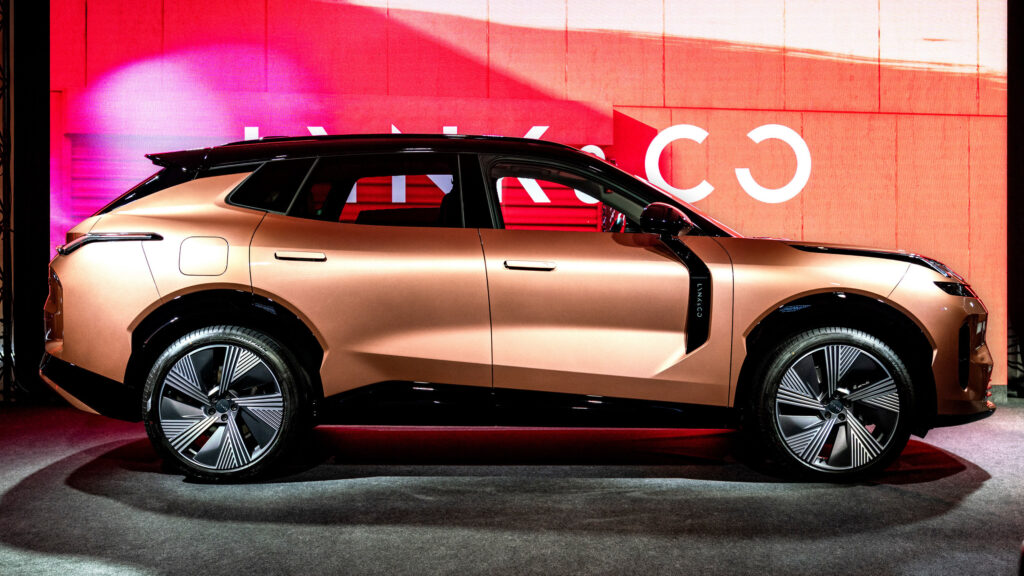
It appears Chinese companies already have a solution for bypassing the quota. In recent years, several brands have established production bases across Europe, and evidently the quota applies only to hybrids exported from China, not those that Chinese brands manufacture on European territory. BYD already has a plant in Hungary, and other brands, including Dongfeng, Chery, Geely and Leapmotor, are also working toward building cars in Europe.
What this could mean for the market
For European consumers, such an arrangement could have a double effect. On the one hand, limiting exports of Chinese hybrids should give local manufacturers more time and room to recover their competitive positions. On the other hand, the rapid growth of Chinese brands was driven not only by price but also by technology, the speed of model lineup updates and the availability of plug-in hybrids. If European companies cannot offer competitive equivalents, the quota could lead to reduced choice and higher prices for certain models.
In addition, moving production to Europe could change the very logic of competition. Chinese companies that build plants in Hungary, Spain, Italy or other countries will be able to bypass the quota while creating jobs and integrating into European supply chains. For the EU, this means that market protection is gradually turning into investment regulation: it matters not only where cars are brought from, but also where they are manufactured and what added value they create in Europe.
In the longer term, the agreement could become a test for European industrial policy. If the quota really helps local brands regroup, the EU will gain time to develop its own production of hybrids and electric vehicles. If, however, competition merely shifts from exports to local assembly, and prices for buyers remain high, the effect may be limited. Much will depend on how quickly European manufacturers can offer affordable models with hybrid and plug-in hybrid powertrains.