
 by
German competitors are cutting back, while Tesla invests billions
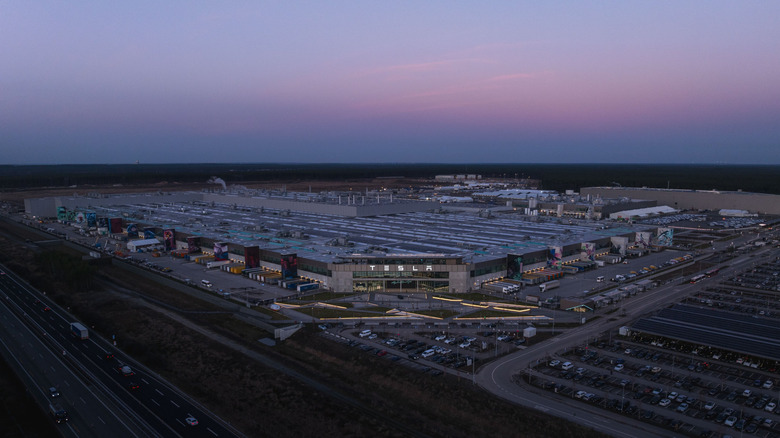
The German auto industry is going through difficult times: BMW is cutting jobs, Volkswagen is allowing the closure of up to four plants, and Mercedes-Benz has paused new investments in Germany and is considering closing some capacity. Against this backdrop, Tesla is acting in the opposite way. The electric vehicle manufacturer announced it will invest €3 billion, or $3.3 billion, in expanding its gigafactory near Berlin. Under an optimistic scenario, this enterprise could become the largest automobile plant in Europe.
Thanks to the support of the world’s richest person, Elon Musk, Tesla is able to make large investments in Europe, while local competitors are forced to economize. A key part of the German plan is the production of up to 1 million Cybercabs per year at the Grünheide plant. The company wants to begin construction of expanded capacity in the first half of next year, and production could start as early as 2029. If Tesla achieves this goal, and that is a serious “if,” its German gigafactory could surpass the Volkswagen plant in Wolfsburg in capacity and become the largest in Europe.
As part of the expansion, Tesla plans to hire hundreds of new employees, Reuters reports. The €3 billion investment will go toward new buildings and a second wastewater treatment station. Currently, the German gigafactory employs approximately 12,600 people, and its capacity is about 375,000 vehicles per year.
Tesla makes a big bet on Cybercab
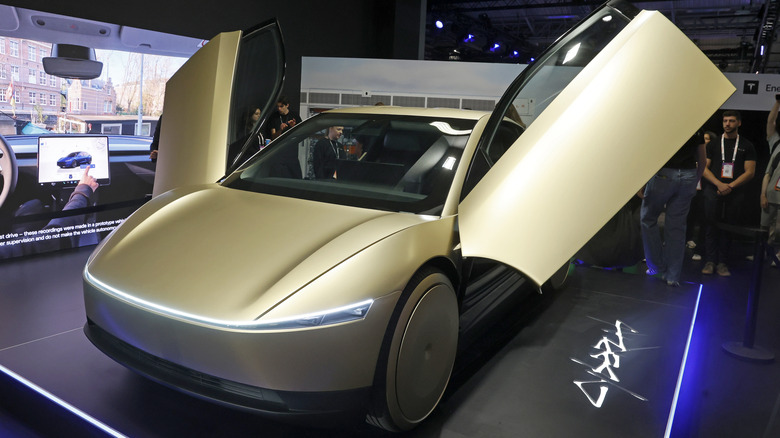
Elon Musk has ambitious plans for Cybercab. Earlier this month, Tesla said it will phase out Cybertruck production next year to make room for the new Cybercab model. Until now, every Cybercab in the U.S. Robotaxi fleet belonged to and was serviced by the company itself. Soon, this is supposed to change. Last week, Tesla said it would begin sending invitations to private customers to buy the Cybercab. This compact two-door car has a starting price of $29,990 and requires a $299-per-month autonomy subscription to operate. In addition, it will function only in certain areas of Austin, Dallas, Houston, San Antonio, and Fort Worth.
Tesla’s German gigafactory currently produces only the popular Model Y, and will soon begin producing 4680 battery cells as part of a $250 million investment. However, adding the Cybercab to the production lineup is a much more ambitious step.
Currently, the company does not have permission to sell the Cybercab in Europe, and obtaining it will not be easy. Since the car has no steering wheel or pedals, it must be certified as a Level 4 vehicle, Electrek reports. Current EU rules for autonomous vehicles limit registration to 1,500 units per vehicle type per year.
What this could mean for the European car market
If Tesla’s plans come to fruition, Grünheide will become not just another production site, but a potential hub for autonomous services in Europe. At the same time, the company will have to go through a complex certification path, and demand for the Cybercab will depend on the development of Robotaxi infrastructure and regulators’ readiness to allow such cars on the roads. Against the backdrop of cutbacks at BMW, Volkswagen, and Mercedes, Tesla’s expansion could intensify competition for personnel, suppliers, and policymakers’ attention. For Germany, it is also a signal that the struggle for the future of car manufacturing is increasingly shifting from traditional models to autonomous services and software solutions.

