


Volkswagen warns of possible reduction of 140,000 jobs
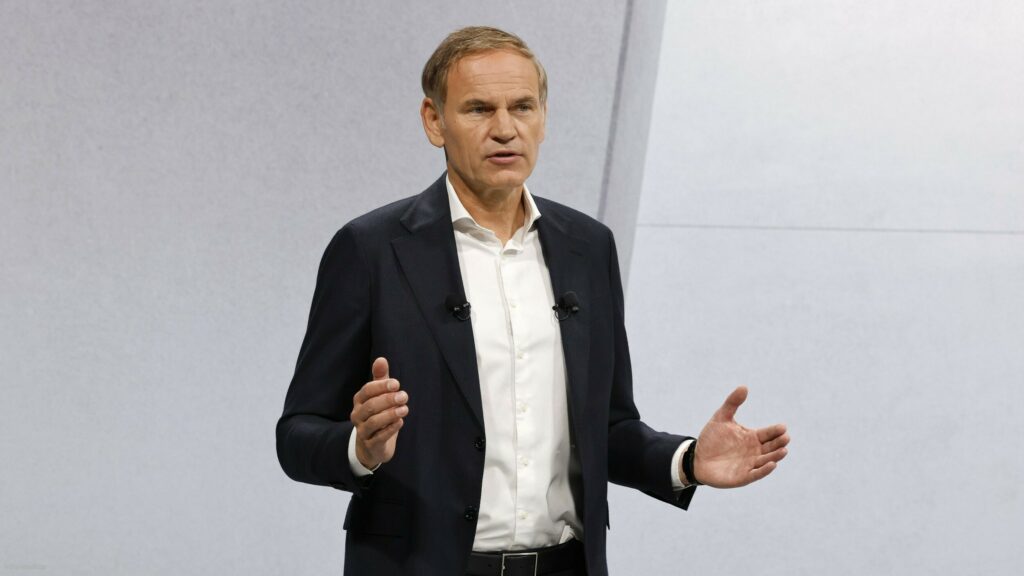
Volkswagen has found itself in a difficult situation that requires decisive action. The group’s CEO, Oliver Blume, has warned employees of a possible reduction of up to 140,000 jobs in the coming years. This is due to significant costs that exceed those of competitors by 20%.
Internal memorandum and reduction plans
In an internal memorandum sent to staff at the beginning of the month, Blume noted that the company has already committed to reducing 50,000 jobs across the group. Now, management is considering the possibility of cutting an additional 50,000 positions to further save costs. This comes despite the company previously denying reports of potential losses of up to 100,000 jobs.
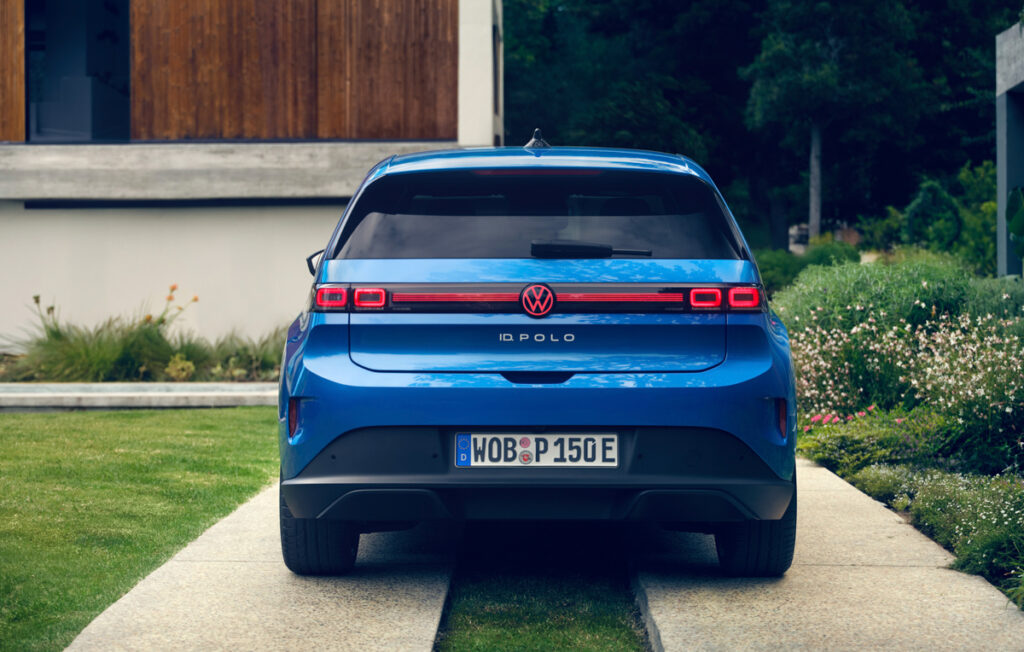
The situation could worsen due to planned plant closures after 2030, which would put another 40,000 jobs at risk. Additionally, the future of several models is in question, including the Volkswagen Polo, Skoda Fabia and Kamiq, Audi Q5 Sportback, as well as some Porsche models such as the Taycan, Panamera, and Cayenne Coupe.
Oliver Blume’s forecast
«As of today, we still cannot confirm competitive utilization options for the plants in Emden, Hanover, Zwickau, and Neckarsulm in the 2030s,» Blume stated in the memorandum.
According to Reuters, the group may gradually halve its model lineup to reduce costs.
«Of course, it is clear that not everything has been planned down to the smallest detail, and some issues still require further discussion and evaluation,» Blume added. «There will undoubtedly be many more meetings where we will work diligently to find the best solutions.»
Schedule of meetings and next steps
These meetings will begin next month. On August 25, Blume will participate in staff meetings at the group’s headquarters in Wolfsburg, Germany. The following day, he will meet with representatives of the works council and employees at the plants in Emden and Zwickau.

These events indicate a deep crisis in one of the world’s largest automotive groups. Cutting such a large number of jobs, especially in Germany where unions have significant influence, could lead to serious social and political consequences. At the same time, the plans to reduce the model lineup and close plants suggest that the company is attempting to radically restructure in order to survive in the face of fierce competition, particularly from Chinese electric vehicle manufacturers. Whether management can find a balance between cost-cutting and retaining key competencies will be shown in the upcoming negotiations.