


Boulder residents sue police over surveillance camera network
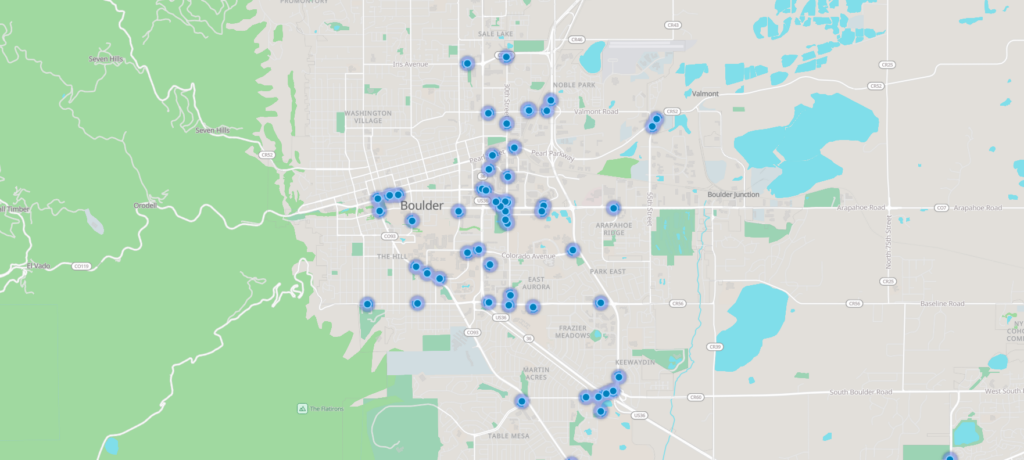
In the United States, automatic license plate readers have become commonplace. In some cities, there are hundreds of them, and they effectively track everyone entering or leaving the area. In Boulder, Colorado, there are significantly fewer such devices — less than 50 — but local residents believe that even this is too many. Now, two residents have filed a lawsuit against the police chief, claiming the system violates state laws.
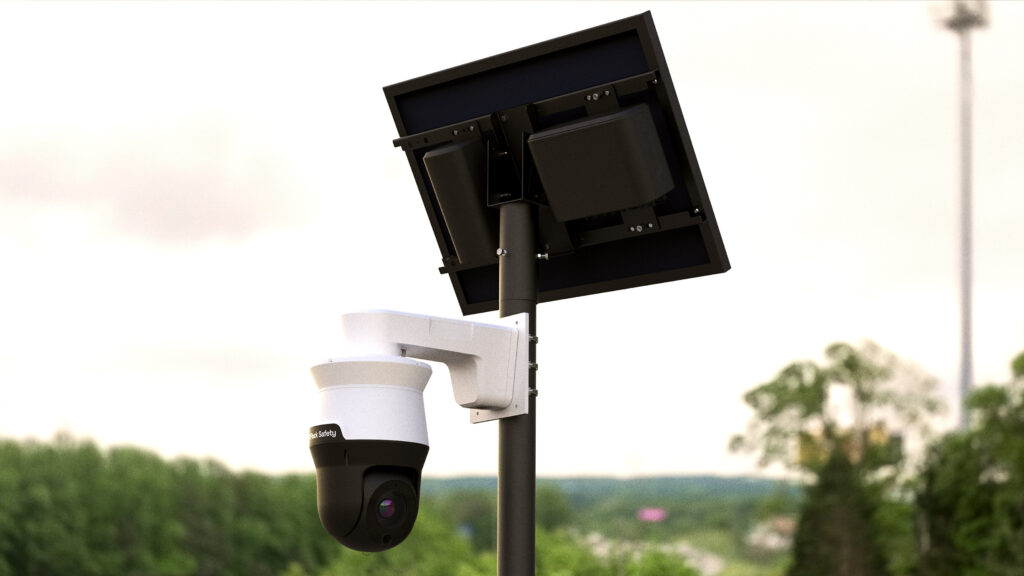
The lawsuit, filed in Boulder District Court, accuses Police Chief Stephen Redfearn of creating a system of mass surveillance without a warrant. This became possible due to the deployment of 31 Flock Safety cameras throughout the city. Plaintiffs William Freeman and Gwen Steele allege that the technology continuously tracks the movements of thousands of drivers without reasonable suspicion, judicial oversight, or adequate privacy protections.
Cameras that map everyday life
According to the complaint, first reported by Denver 7, the cameras collect images and location data that are stored in a database accessible to law enforcement. The plaintiffs argue that this creates a so-called “grid” capable of revealing where people work, pray, seek medical care, study, or engage in political activities.
The lawsuit also names Boulder Police Records Specialist Dawn Van Akeren. Freeman claims that after requesting data on his own vehicle through a Colorado public records access procedure, he was denied the collected information. The plaintiffs are seeking an unspecified monetary award and a court injunction against the use of automated license plate readers without a warrant. This is significant because the case concerns not federal laws, but specifically state legislation.
Civil rights attorney Andy McNulty, representing the plaintiffs, argues that the Colorado Constitution provides stronger privacy protections than some other states. The complaint notes that no court has established reasonable suspicion for the round-the-clock monitoring of every vehicle on Boulder’s roads.
Police representatives have previously defended the technology, claiming the cameras help reduce crime and recover stolen vehicles. During a city meeting in January, Redfearn stated that the public safety benefits outweigh the risks of abuse and noted that Boulder does not share data with federal immigration authorities.
Flock cites its own legal precedent
Flock Safety also responded to the lawsuit. The company stated that courts across the country have repeatedly reviewed and rejected similar constitutional challenges, emphasizing that stationary license plate reading systems have consistently been deemed legal. In some cases, lawsuits made all images public information, and police departments turned off the cameras. Flock added that agencies themselves control their data and determine policies for access, retention, and sharing.
The case has been assigned to Judge Michael Kotlarchyk. Currently, Boulder officials say they are reviewing the allegations and will respond within the framework of the legal process.

This case is another episode in the growing tension between surveillance technologies and privacy rights. While similar lawsuits have been dismissed in other states, the uniqueness of this case lies in its reliance on the Colorado Constitution, which may offer broader protections. If the court rules in favor of the plaintiffs, it could set a precedent for other cities using similar systems and force law enforcement to reconsider the balance between security and civil liberties. Judge Kotlarchyk’s decision could have far-reaching implications for surveillance practices across the state.