


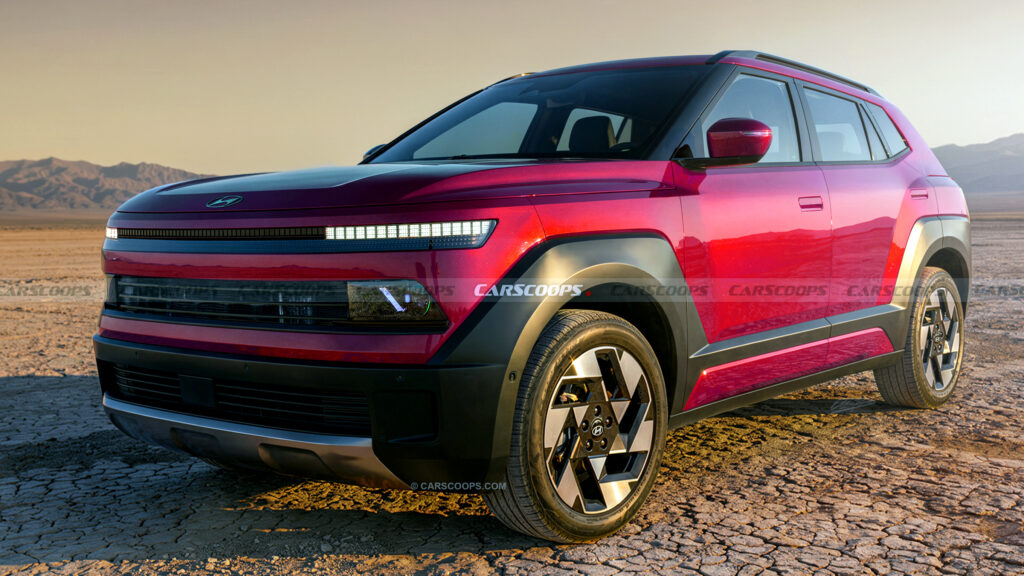
Hyundai has decided to abandon a planned facelift for the Kona model in favor of a full generational change. The new car will feature a more severe, “boxy” design inspired by the Crater concept, as well as an updated platform that paves the way for hybrid and electric versions.
Key Design Changes
The Hyundai Kona has been a successful model for the Korean brand, even though the electric version skipped the 2026 model year. According to the usual cycle, this compact crossover should have received a planned mid-lifecycle update. However, the company decided to change its strategy and move directly to a new generation.
Under the code SX3, the new model, according to sources, will eventually be merged with the Creta crossover. It is expected that the model will be released on the market under different names in different regions.
The Art of Steel: A New Design
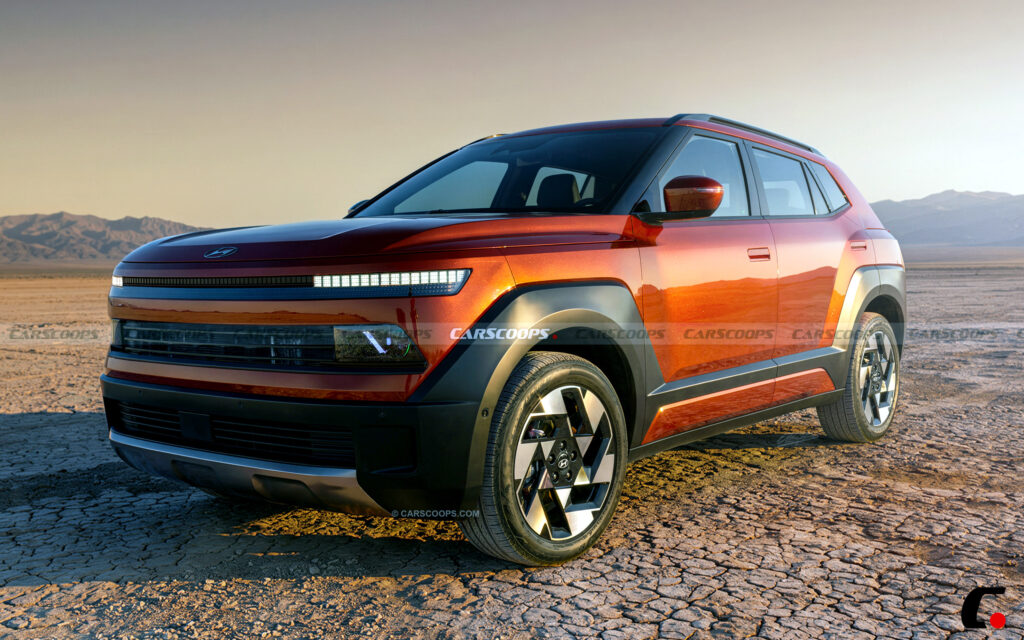

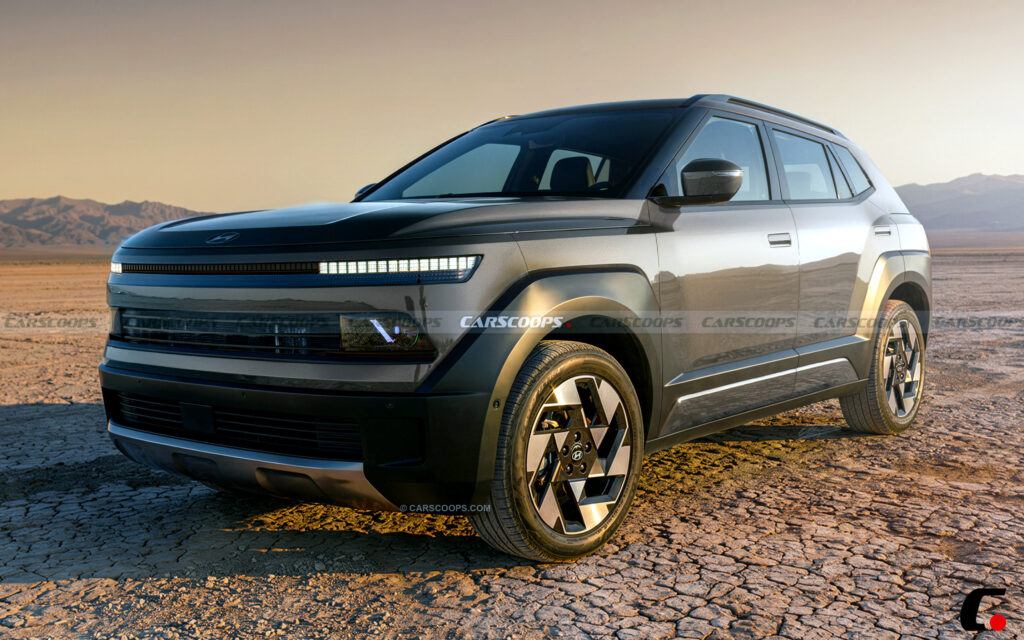
Compared to the previous model, the new Kona has a much more cohesive design, inspired by the Crater concept. Instead of Picasso-style elements, the front fascia features clean horizontal lines, a massive body cladding, and two-tier lighting. The LED matrix headlights are neatly integrated under the DRL strip.
The hood has sharp edges that add tension to the top of the fenders, and the floating roofline resembles the new Tucson. Contrasting cladding connects the front and rear wheel arches, while the rear of the car stands out with a thin LED strip.
Intelligent Pleos Connect System
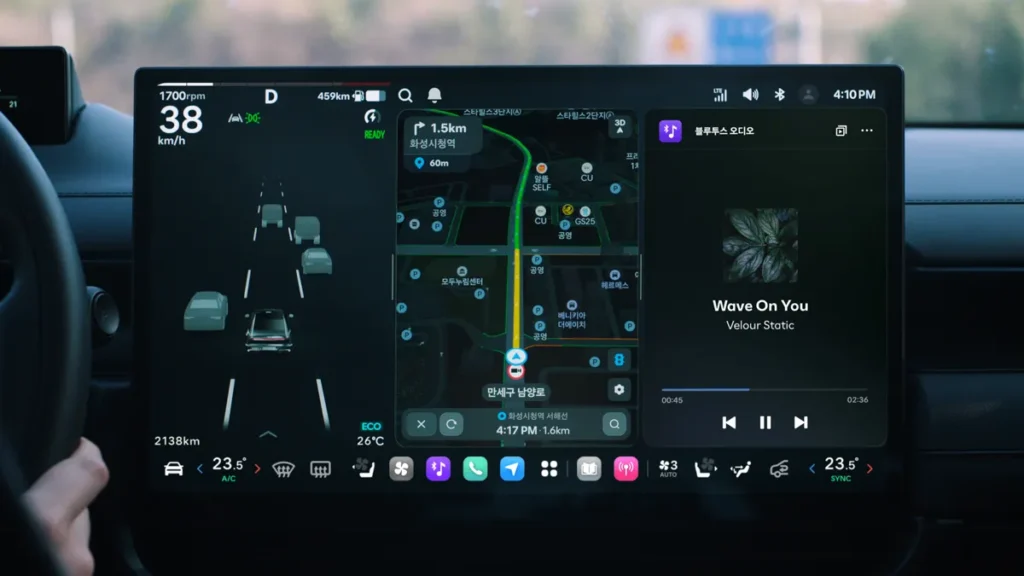

Inside, the new Pleos Connect infotainment system debuts. It replaces the old single display with a central AI-powered tablet paired with a smaller digital instrument cluster in the style of the Mustang Mach-E. Key functions, such as climate control, can be adjusted using physical buttons below the screen and on the steering wheel.
Improved trim materials and more space for rear passengers are expected. The door panels have a restrained curved design, and top-tier versions will feature a Bose audio system, ambient lighting, and leather upholstery with custom stitching. The safety level will also increase thanks to a Level 2 semi-autonomous highway driving system and additional assistants.
Multi-Powertrain Strategy

The new Kona is based on a modified K3 platform, which not only provides better crash safety but also access to the latest hybrid systems. Even the possibility of an Extended Range Electric Vehicle (EREV) hybrid is being discussed, although a fully electric version seems more likely.
The hybrid powertrain will be shared with the new Kia Seltos. In the front-wheel-drive version, it includes a 1.6-liter four-cylinder engine and an electric motor producing 151 horsepower (113 kW). A 176 hp all-wheel-drive version is also available, which features regenerative braking and Vehicle-to-Load (V2L) functionality.
Additional options will be available for specific markets, including a 2.0-liter naturally aspirated engine and a 1.6-liter turbocharged engine producing 190 hp, paired with a seven-speed dual-clutch transmission.
Segment and Presentation
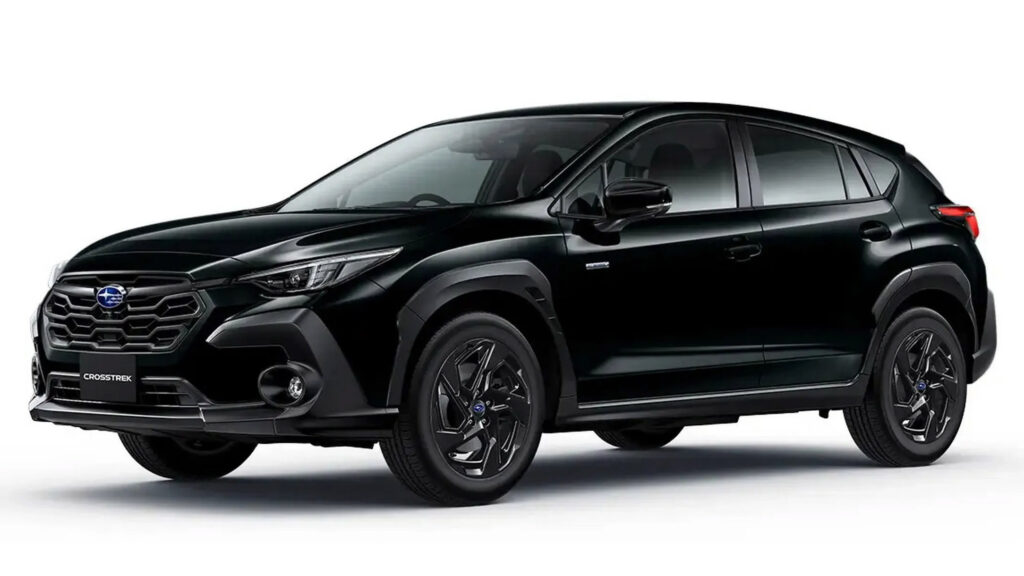

The Kona enters one of the most competitive market segments. Its main rivals will be the Mazda CX-30, Toyota Corolla Cross, Kia Seltos, Mitsubishi Outlander Sport, Nissan Qashqai, and Subaru Crosstrek. With its hybrid powertrain and new aggressive design, Hyundai hopes not only to maintain its position but also to expand its market share.
The official presentation is expected within the next 12 months, and the new model will go on sale as a 2027 model.
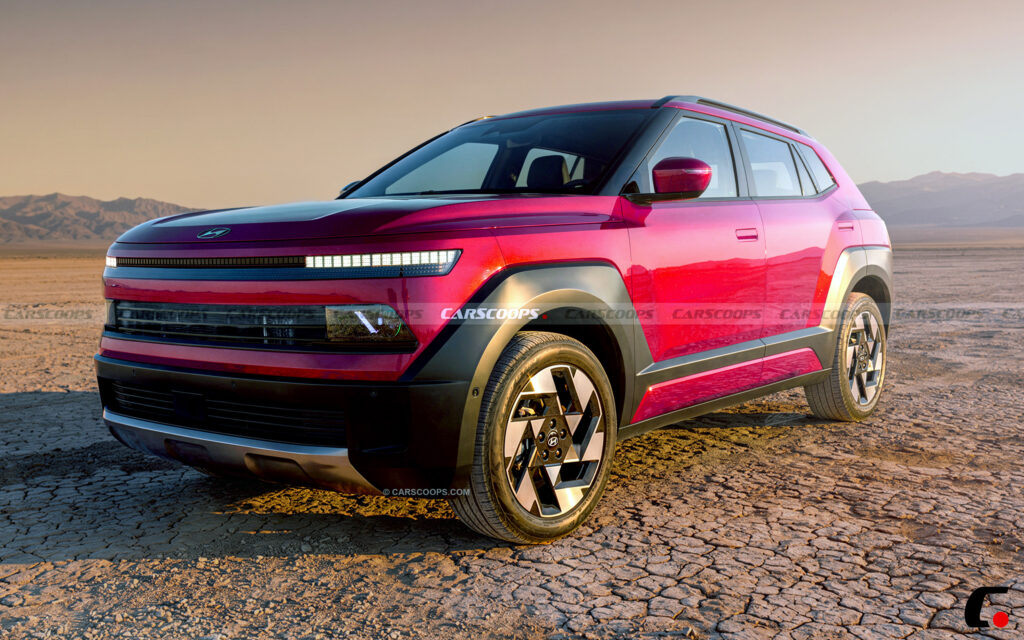
This move by Hyundai — abandoning a traditional facelift in favor of a complete generational change — signals the company’s serious intentions to refresh its lineup. The new Kona, with its brutalist design and flexible platform, has every chance of becoming a leader in its segment, especially considering the growing demand for hybrid and electric crossovers. The merger with the Creta model could also simplify production and reduce costs, which will positively impact the final price for the consumer.