 by
by US Environmental Protection Agency Takes Action on Start-Stop Systems
Modern cars have many features created with good intentions, but some of them annoy drivers. The automatic engine shutdown and restart system (start-stop) is exactly that — many are not fans of it. This week, the US Environmental Protection Agency (EPA) announced a plan that could permanently rid cars of this feature.
EPA Administrator Lee Zeldin stated that the agency is canceling the fuel economy credits that incentivized manufacturers to install these systems. This step is part of a larger process — repealing the so-called 2009 “Endangerment Finding,” adopted under President Barack Obama, and all associated greenhouse gas emission standards for vehicles.
As part of today’s repeal of the 2009 Obama-era EPA Endangerment Finding, the Trump administration’s EPA is also ENDING all off-cycle credits, including… the nearly universally HATED start-stop feature in cars. Fixed! Promised. Promise kept.
How the System Works and Why It’s Disliked
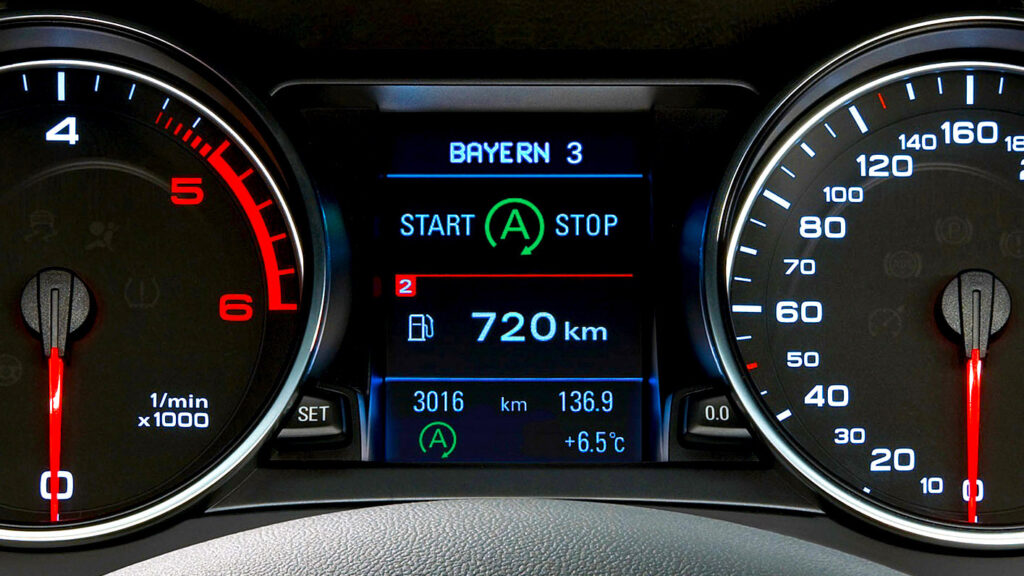
For those who haven’t encountered it, the start-stop system automatically shuts off the engine when the car comes to a stop (e.g., at a traffic light) and instantly restarts it when the driver releases the brake pedal. The goal is to save fuel, reduce emissions, and lower noise in cities.
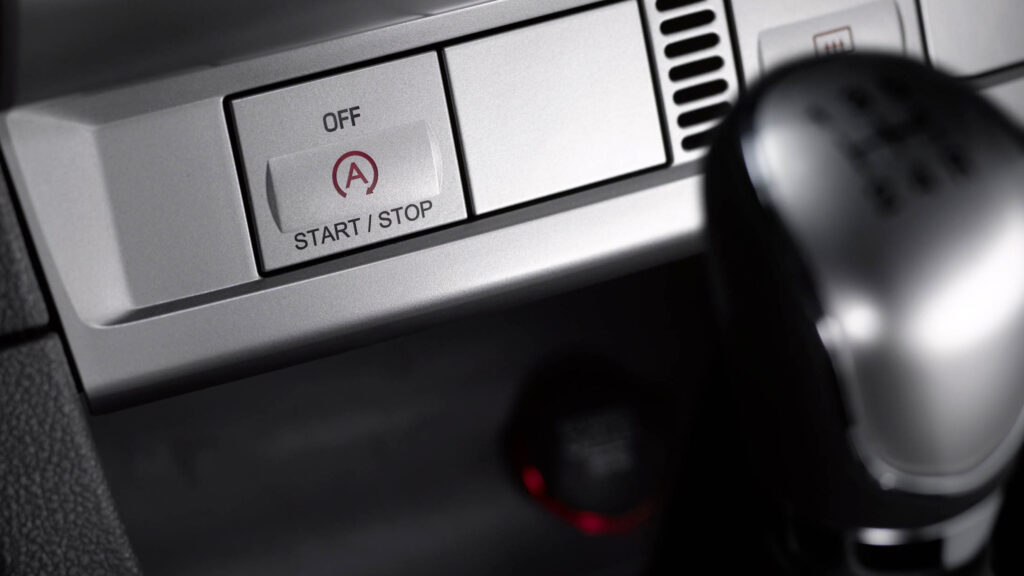
The systems are indeed effective: they can improve fuel economy by approximately 5%, and in city driving conditions, savings sometimes reach 10%. However, many drivers are annoyed by the need to deactivate this function with a button every time after starting the engine, as it is activated by default.
The Future of the Technology and Market Reaction
Although the EPA never mandated automakers to install these systems, they became ubiquitous precisely due to the fuel economy credit system. After the cancellation of these incentives, the feature is unlikely to disappear instantly. Manufacturers may decide to keep it but make the “off” state the default setting.
Drivers already tired of this function have long found a solution. Inexpensive bypass modules that allow permanently disabling the start-stop system are sold online. Critics of the technology complain about its annoyance, doubt the durability of starters and batteries (although experts claim modern components are designed for increased loads), and simply miss the sound of an idling engine.
Proponents of the system emphasize that it effortlessly saves the driver money on fuel and reduces harmful emissions. The question of whether it was worth completely abandoning this technology along with the Biden-era fuel economy standards remains a subject of public debate.
This change in regulatory approaches reflects a broader trend in the automotive industry, where technological innovations often outpace public perception and habits. The balance between environmental efficiency, economic feasibility, and user comfort remains a complex challenge for engineers and regulators. The EPA’s decision is likely to provoke a discussion about which specific “assistive” features in a car are truly useful and which merely create an impression of progress without gaining broad acceptance from the end consumer.