


Changes in Vehicle Registration Rules
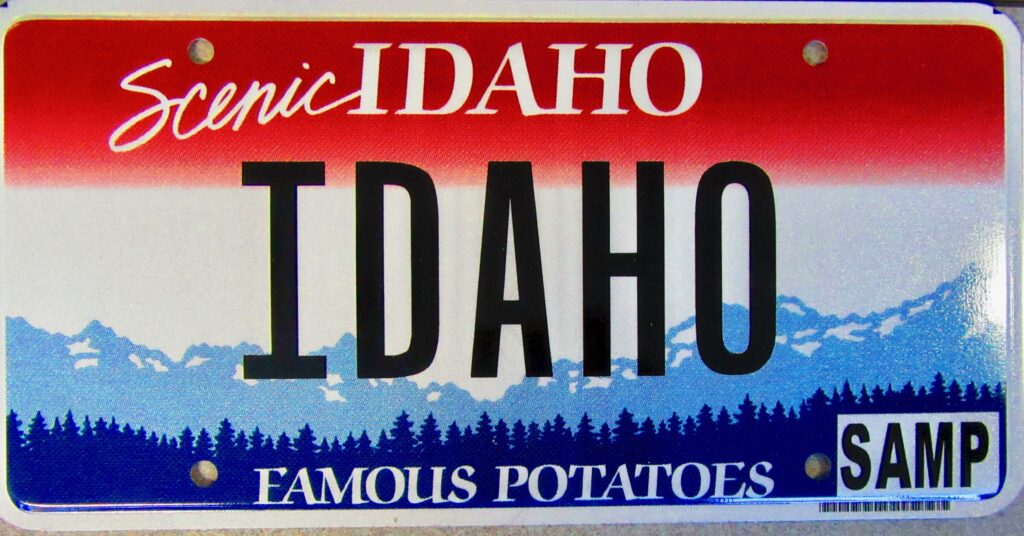
Sometimes the smallest details can lead to significant changes. For the state of Idaho, such details are the small stickers on the rear license plates that confirm a vehicle’s registration. From now on, they are disappearing, and, according to the authorities, this will save an amount sufficient to buy a supercar. The law regulating this change has already taken effect and will come into force by the end of this year.
The New Law and Its Consequences
Governor Brad Little signed Bill 533, which eliminates the requirement to place registration stickers on vehicles with Idaho plates. Starting July 1, 2026, drivers will only need to have a valid license plate and current registration in the state database to comply with the rules.
Modern Technology Makes Stickers Redundant
For decades, colored stickers served as a quick visual cue for law enforcement and parking services, signaling the expiration of registration. However, as reported, legislators consider this practice outdated.
Police already have instant access to registration records by simply running the plate through the system in their car.
Automatic license plate readers, already used by many Idaho police departments, do this job for the officer. Even officers without such systems can get the same registration data in a matter of seconds.
Economic Effect of Eliminating Stickers
Since stickers have become largely redundant, the state is abandoning them for good. This legislation also has a modest financial bonus. By ceasing the production and distribution of stickers, the state expects to save approximately $300,000 on materials and administrative costs.
While the change may seem minor, it reflects a broader shift in how states manage vehicle compliance. Starting next summer, Idaho drivers can expect their license plates to look a bit cleaner.
The transition to digital verification methods is part of a global trend toward optimizing government services through technology. This not only reduces bureaucratic burden and costs but also aligns with modern law enforcement capabilities. Similar initiatives are being implemented in other regions, demonstrating how innovations can simplify citizens’ daily lives and the work of government agencies. It is important that such changes are accompanied by information campaigns so that drivers are aware of the new rules and avoid misunderstandings.