 by
by Tesla Model Y driverless taxi testing with no people inside
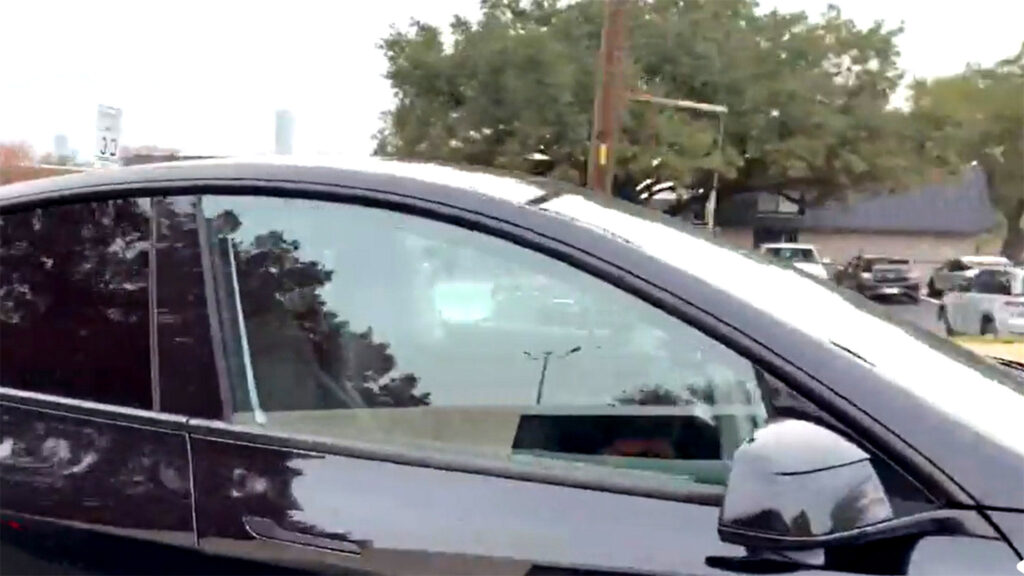
A brief message from Tesla CEO Elon Musk stating that autonomous vehicle testing is now taking place with no people inside the car is of enormous significance for the company, its investors, and the future of autonomous transport. This confirmation came in response to a video showing a Model Y navigating the streets of Austin on its own, without a driver or passengers.
This step marks a crucial breakthrough for Tesla. Previously, after launching a limited robotaxi service in Austin in June, each modified Model Y with Full Self-Driving software always had a human observer in the front passenger seat. Abandoning this last level of human control, even at the testing stage, represents a substantial step forward.
Market reaction and investor confidence
The news of successful tests immediately impacted the company’s financial performance. Tesla shares jumped nearly 5%, reaching their highest level in the past year, bringing the company close to the record highs of last December. This jump clearly demonstrates how much the company’s valuation depends on optimism surrounding autonomous driving technology, rather than the day-to-day business of selling cars.
Testing is underway with no occupants in the car
Analysts, including Seth Goldstein from Morningstar, note that this progress aligns with management’s statements and market expectations. A significant portion of Tesla’s market capitalization, which stands at approximately $1.53 trillion, is based precisely on the expectation that profits from autonomous technologies and robotics will eventually far exceed revenues from car sales. The current stock increase reflects confidence that the company is accelerating its progress toward this goal, especially against the backdrop of preparations to launch the specially designed Cybercab next year.
The path to full autonomy and challenges
However, despite the optimistic news, Tesla still has a great deal of work ahead to achieve its goals. Progress could be slowed by regulatory bodies. Furthermore, new questions are arising around the company, particularly regarding payments to board members. According to some media reports, director compensation exceeds $3 billion, which is significantly higher than that of executives at comparable companies. Long-term success in developing autonomous technologies appears to be the only way to justify such expenses.
The transition to testing with no people inside the car is not just a technical stage, but a symbolic event that changes perceptions of the capabilities of driverless transport. The success of these trials in Austin could become a model for further deployment of the technology in other cities, gradually bringing the mass adoption of robotaxis closer. At the same time, society and lawmakers must find a balance between innovation and safety, as each new step outside the comfort zone will attract close attention and spark new debates.