


Europe Introduces New Safety Standards for Cars
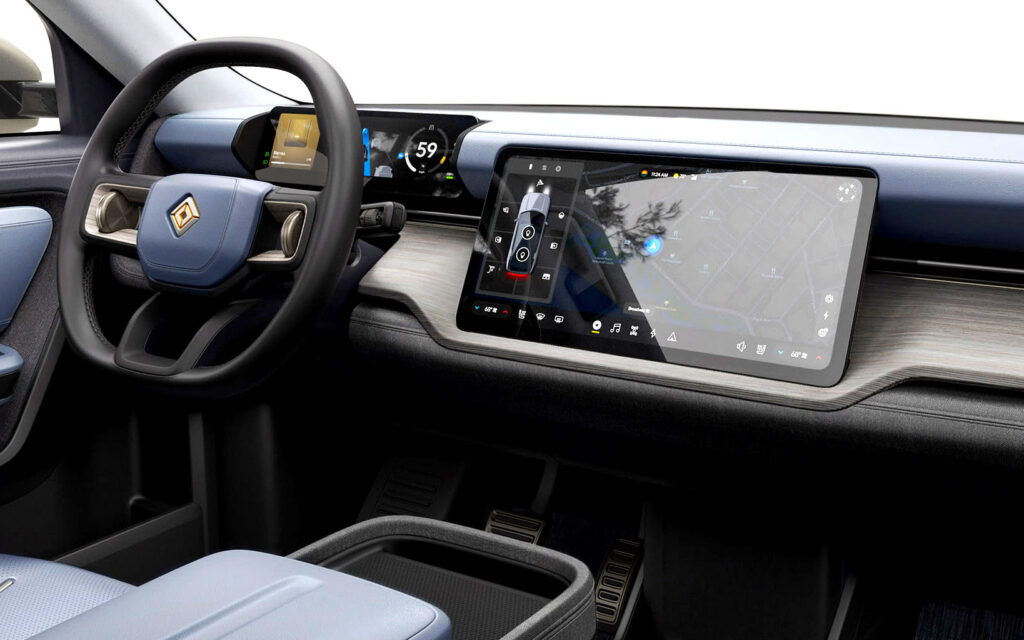
The European car safety organization EuroNCAP will no longer tolerate hidden menus and swipe gestures in cars. The new standards are designed to ensure that manufacturers retain physical controls for key vehicle functions. Otherwise, they risk not receiving the maximum five-star safety rating. This trend is not limited to Europe. Proposed restrictions in China suggest that even in the world’s largest car market, the era of touchscreen dominance may be coming to an end.
Starting this year, EuroNCAP requires that functions such as turn signals, windshield wipers, hazard lights, horn, and SOS emergency call be controlled via physical buttons or switches, not through touch surfaces. Failure to meet this requirement automatically costs a car one star in the safety rating. No appeals or software updates can fix this.
Although EuroNCAP is not a regulator in the legal sense, its ratings carry significant weight for both consumers and automakers. Any brand selling cars in Europe effectively has a three-year grace period to revise interior designs if it wants to maintain the highest safety scores.
Pressure to Introduce Legal Requirements
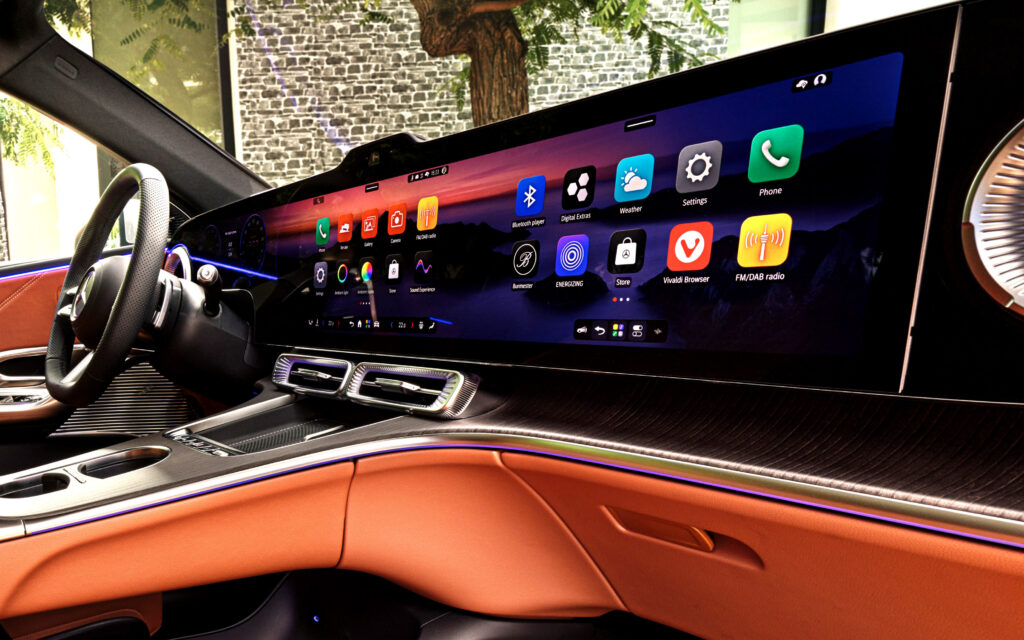

Frank Mütze from the European Transport Safety Council believes this is just the beginning. In his opinion, regulators need to go further and make physical controls for key functions a legal requirement. The concern is simple: the more time drivers spend navigating digital menus, the less attention they pay to the road.
“Voluntary EU recommendations don’t work because modern touchscreens and infotainment systems are distracting and dangerous. EuroNCAP’s requirement for physical controls for some functions is a step in the right direction. But now we need EU regulators to continue this work and adopt legally binding requirements for all vehicles.”
Exceptions and Manufacturer Challenges


To be fair, most new cars still use physical buttons for such basic functions as turn signals, hazard lights, horn, and SOS. But there are notable exceptions. For example, the Tesla Model 3 and Model Y offer only a basic wiper button, while more precise adjustments are made via the central touchscreen. This may be convenient, but only until heavy rain starts and you have to search for the needed function on the display.
Regulatory Push from China
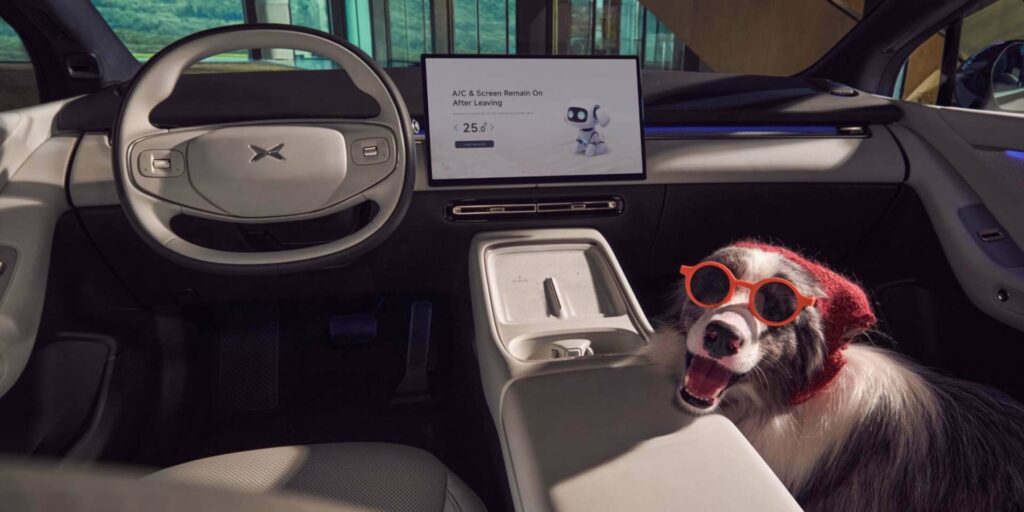

Beijing is considering similar restrictions on screen-only controls. A recent proposal would require that key functions, such as turn signals, emergency call, and gear selection, use buttons or switches no smaller than 10 mm by 10 mm. In other words, something you can press without digging through submenus.
This could become a problem for Tesla. The Model 3 and Model Y rely on the touchscreen for almost everything, including gear selection, and the emergency gear shift buttons are hidden in the roof lining. Technically, it works. But whether it’s intuitive is another question.
Will the US Feel the Pressure?
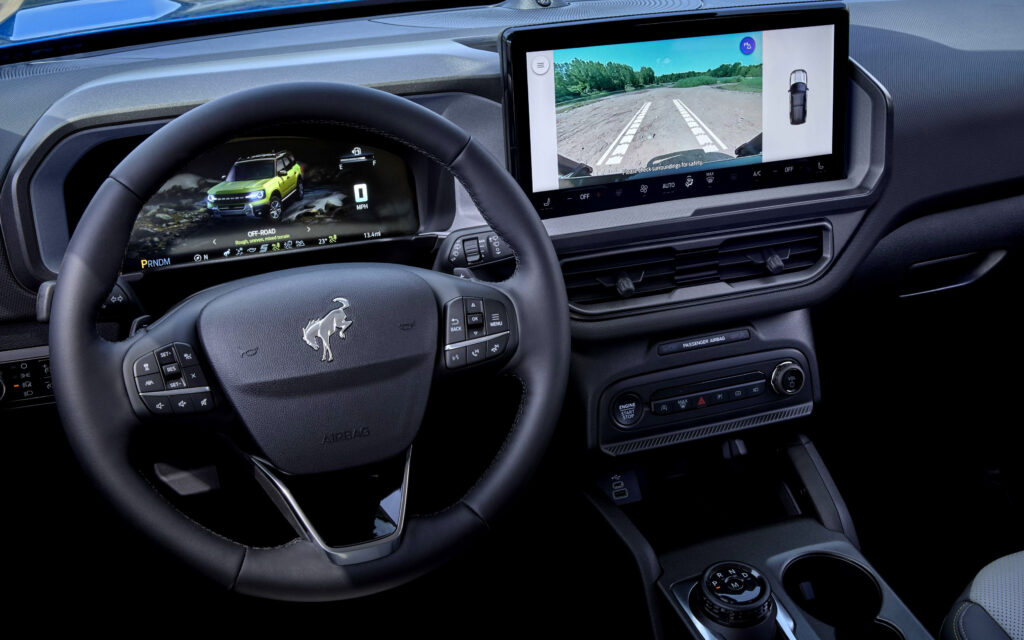
Given the size and influence of the European and Chinese markets, the implications could spread far beyond their borders. It is never cost-effective to develop one interior for Europe, another for China, and a third for North America. If these rules come into force, physical buttons may return not out of nostalgia, but due to the requirements of global compliance with standards.
These changes reflect a broader discussion about the balance between innovation and safety. Technological progress that makes cars “smarter” sometimes conflicts with the basic principles of ergonomics and minimizing driver distraction. The shift towards physical controls may be perceived as a step backward, but from a safety perspective, it is possibly a step forward. Automakers, especially those who have built their design philosophy on minimalism and screens, will have to find new solutions that combine a modern look with tactile clarity. The future of car interiors seems to lie not in a return to the past, but in creating hybrid spaces where digital capabilities are enhanced, not replaced, by direct physical control.