


Financial Drama of a British Icon
Aston Martin has always sold drama, but lately it’s been happening mostly in the finance department. The British automaker has confirmed cutting up to 20 percent of its workforce after a tough 2025, which brought increased losses and a significant impact from global tariffs.
Unpleasant Financial Report Numbers
The numbers make for unpleasant reading. Revenue fell by 21 percent to £1.26 billion compared to 2024. Operating losses increased by 161 percent. For the fiscal year, the company recorded a loss of nearly half a billion pounds.
Car production fell by 10 percent to 5,448 units, significantly less than the over 6,600 cars just two years ago. This is not just a shake-up, but a serious crisis.
Impact of Tariff Barriers
“An unprecedented backdrop of geopolitical uncertainties and macroeconomic pressures, including increased tariffs in the US and China, has impacted our results,” acknowledged CEO Adrian Hallmark.
In other words, building beautiful, expensive grand tourers and luxury SUVs and launching supercars without the protection of a large automotive conglomerate is difficult enough, and a trade war certainly doesn’t help.
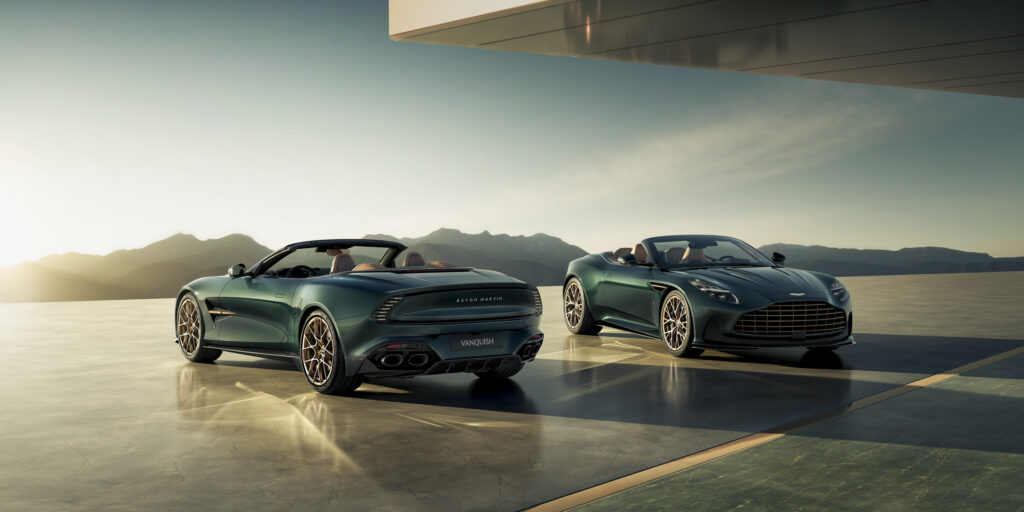

New US import rules, which came into effect about a year ago, were so strict that Aston Martin even temporarily stopped supplying cars across the Atlantic. CEO Adrian Hallmark stated:
“I don’t want to blame Donald Trump for all our troubles, but he was certainly a significant part of the problems we faced last year. We planned to reach breakeven in 2025 — we missed that target by a wide margin.”
Cooling Markets and Problems in Asia
In China, the ultra-luxury car market has cooled sharply, especially for Western brands. Sales volumes in the Asia-Pacific region fell by 21 percent, highlighting how fragile demand has become in a region once considered growing. China was singled out as particularly sluggish, where additional changes in luxury car taxation from July 2025 exacerbated the slowdown.
Postponement of the Electric Future

To stabilize the situation, Aston Martin is undertaking cost-cutting. Cutting every fifth employee is expected to save around £40 million. The company also expects approximately £15 million in one-off restructuring-related costs.
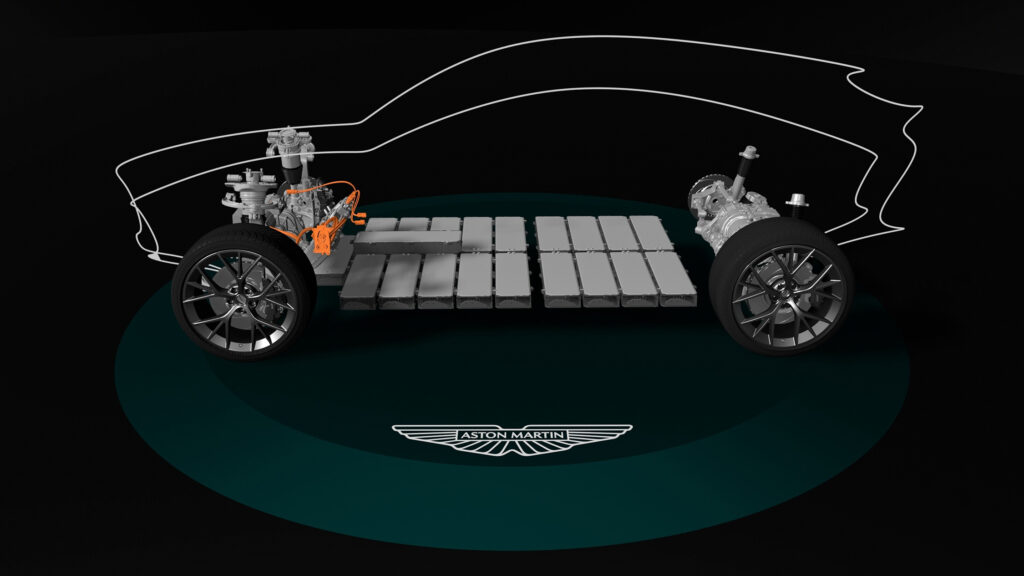
It is also trimming future investments, postponing its electric vehicle plans. This move will allow it to reduce the five-year development budget from £2 billion to £1.7 billion.
A Ray of Hope and Prospects
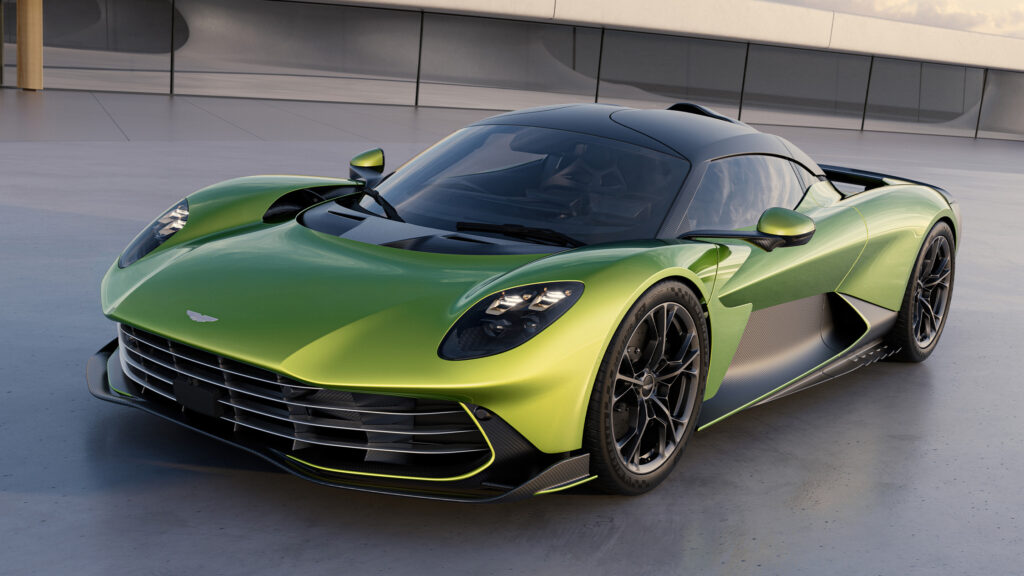
However, there is a glimmer of hope. The Valhalla hybrid supercar has finally started series production. 152 deliveries in the fourth quarter helped raise the average selling price. A further 500 Valhalla cars are expected to be delivered in 2026, which the company says should significantly improve the product structure and margin.
“In the 2026 financial year, we expect a significant improvement in financial results,” says Hallmark.
The path to financial recovery for Aston Martin is proving long and difficult. The success of the restructuring plan will depend not only on internal cost-saving measures but also on external factors such as the stabilization of international trade and the recovery of demand in key luxury markets. Focusing on high-margin models like the Valhalla is a logical step, but lagging in the electric transformation could create new challenges in the future when the market finally reorients. Preserving the brand’s status and appeal under severe austerity will be one of the main artistic tasks for the company’s management.