 by
by The automotive world is preparing for the arrival of a new compact electric Audi crossover that revives the spirit of the iconic A2 model. Here are the key details:
The Legacy of the Original Audi A2
Do you remember the original Audi A2 from the early 2000s? This ultra-lightweight compact car with an aluminum space frame was Ingolstadt’s answer to the Mercedes-Benz A-Class. In many ways, it was the BMW i3 before the i3 itself—a car that was ahead of its time and, because of that, did not achieve commercial success.
Launched in 1999 and produced until 2005, the Audi A2 was offered with five engines, including the record-breaking 60-horsepower 1.2 TDI, which consumed only 2.99 liters of fuel per 100 kilometers. Only 176,377 units were produced. Although sales did not meet expectations, the A2 has since gained status as an iconic modern classic.
Now, almost three decades later, Audi seems ready to return to the spirit of the A2 with the upcoming Q2 e-Tron. It will be positioned below the Q4 e-Tron and will effectively replace the conventional gasoline Q2, becoming the new entry point into the e-Tron electric lineup.
Design and Nostalgia
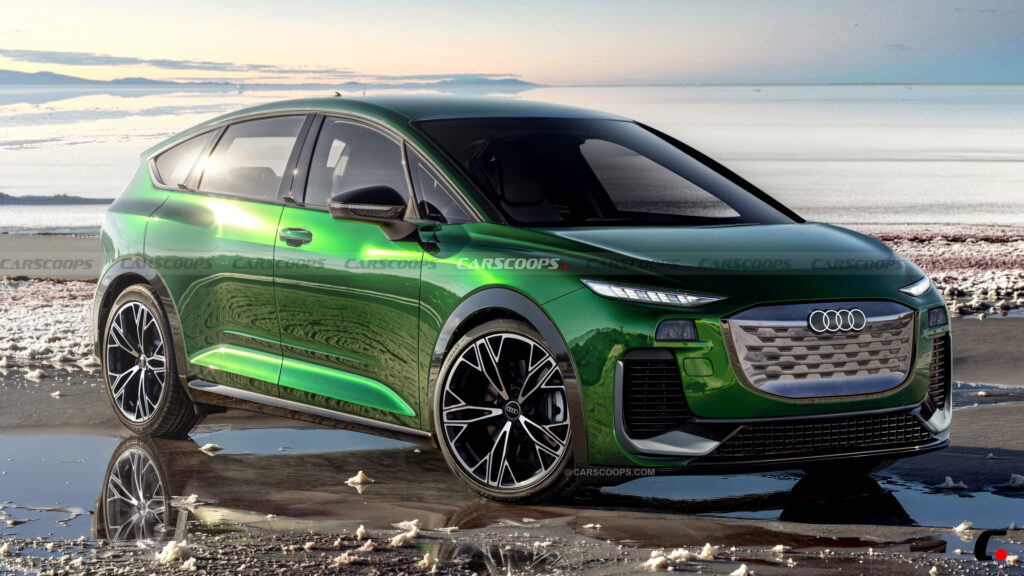
Previous illustrations, based on spy shots, show a similar vertical profile to the original A2, but with a more steeply raked windshield and a roofline that tapers sharply towards the C-pillar. The proportions resemble a high-riding hatchback more than a crossover.
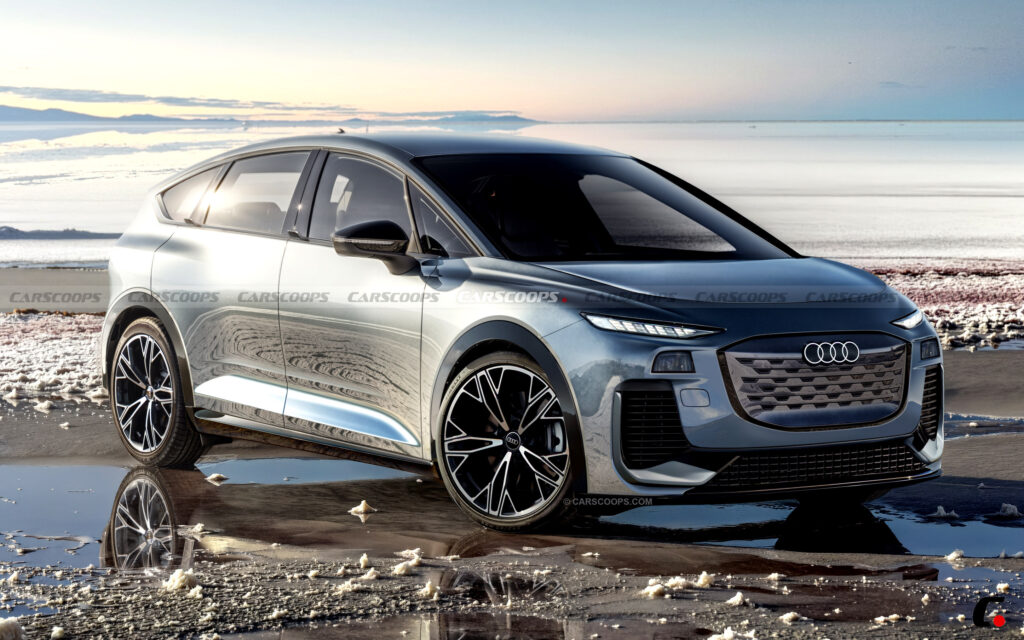
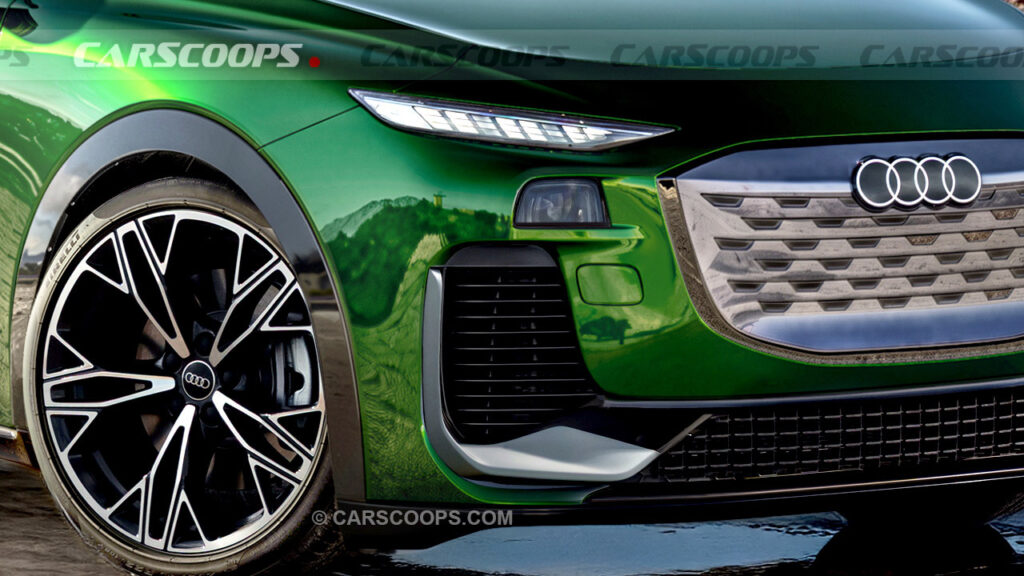
At the front, there are narrow micro-LED daytime running lights, while the main headlight units are positioned lower in the bumper. The bold, fully enclosed grille is framed by sharp lines and angular air intakes.
In profile, deep sculpting on the lower surfaces is noticeable, and the door handles are replaced by protruding elements akin to the Mach-e. The rear design is more playful: a high-mounted spoiler visually splits the rear window (a nod to the old A2), and the tailgate features a full-width LED light strip.
Interior and Technology

Inside, the Q2 e-Tron is expected to inherit concepts laid down in the Q3 and Q5. A curved high-resolution digital instrument cluster will be paired with a central MMI touchscreen. Audi’s artificial intelligence will likely be standard, with support for downloadable apps, including media streaming and navigation services.
Other features include a suite of Level 2 semi-autonomous driver assistance systems, ambient lighting, and eco-friendly trim options. Despite compact exterior dimensions, the flat floor of the electric platform should free up interior space, and trunk volume is predicted to be slightly less than the 520 liters in the Q4 e-Tron.
Platform and Powertrain
Under the hood, or rather at its foundation, the Q2 e-Tron is expected to use the new MEB+ architecture from the Volkswagen Group. This updated platform promises a stiffer body, better energy efficiency, and significantly faster charging compared to previous MEB-based models.
Preliminary technical data points to a front-wheel-drive base model with 201 hp (150 kW) paired with a 63 kWh battery, which should provide about 250 miles (402 km) of range. More powerful versions could exceed 268 hp (200 kW) and may receive a larger battery with a range of up to 348 miles (560 km) on the WLTP cycle.
All-wheel-drive Quattro variants with dual motors are also being developed, aimed at drivers in cold regions or those seeking more traction and performance. Rumors are circulating about the creation of sporty RS-badged versions.
Competitors and Release Date
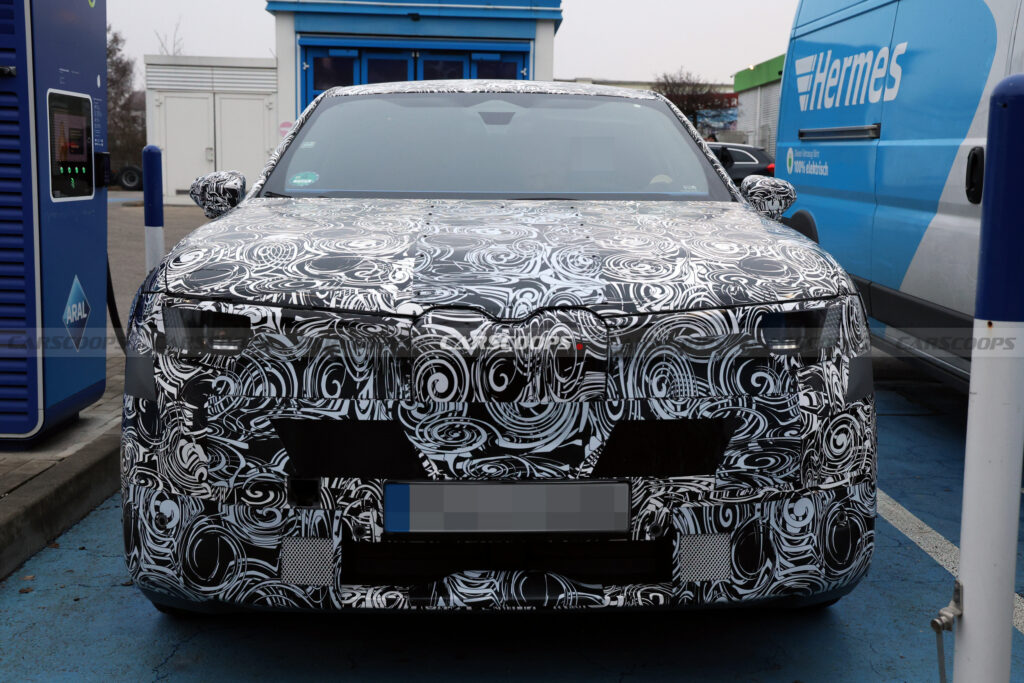
The Q2 e-Tron (or perhaps A2—depending on the final naming) will enter competition with the growing number of compact premium electric vehicles. These include the Volvo EX30, BMW iX1, Smart #1, Alfa Romeo Junior, and Mini Aceman.
Although initially discussed for a 2027 launch, recent reports suggest the Q2 e-Tron could debut in the second half of next year, with production expected to be located in Germany.
Returning to the concept of a small, efficient, and innovative car, but now in the electric era, seems like a completely logical step for Audi. The compact premium electric vehicle market is becoming increasingly crowded, so the model’s success will depend not only on technical specifications but also on a successful combination of design, quality, and pricing. The legacy of the A2, on one hand, creates certain expectations, and on the other, serves as a reminder that premature innovations do not always resonate with the mass buyer. Today’s market, however, is much more ready for such solutions, giving the Q2 e-Tron a good chance of success.