


A New Reality for Buyers
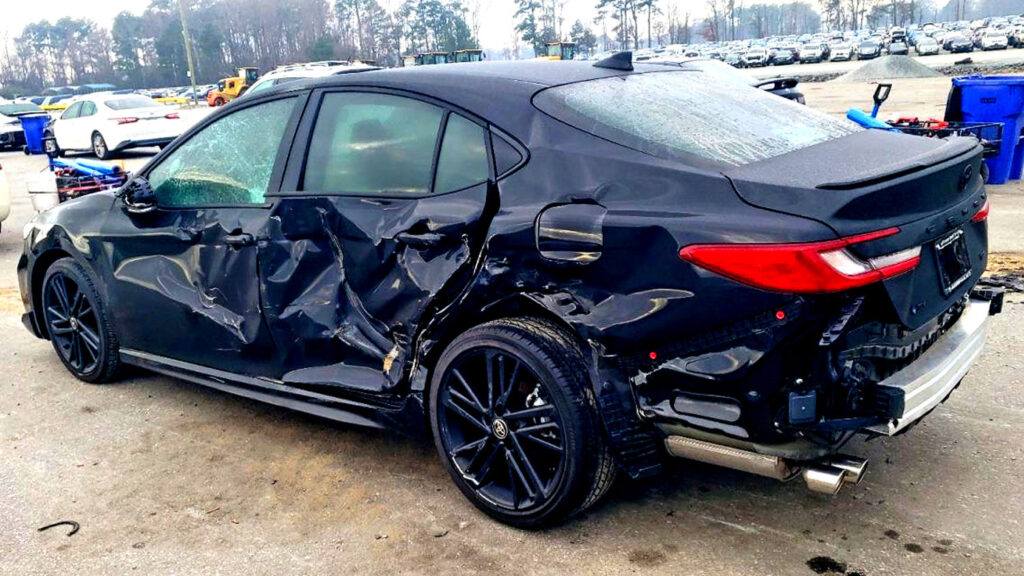
An affordable car is starting to seem like a myth for many buyers, forcing dealers to take drastic measures to retain customers. As prices for good used cars remain stubbornly high, some dealers are beginning to explore the part of the market they previously avoided, trying to find inventory.
What Are “Branded” Titles?
This refers to cars with special notations in their documents: salvage, rebuilt, bought back under the “lemon law,” recovered after theft. Vehicles with a history, and not always a desirable one. For many years, most official dealers sent such cars straight to auctions, as if they never existed.
The Disappearance of Budget Options
Now, the pressure of availability is changing the situation. Buyers who could previously afford a sedan for $12,000 with a clean history find themselves priced out of the market. Dealers risk losing them to Facebook Marketplace, independent used car lots, or networks specializing in selling repaired salvage vehicles. Suddenly, a former taboo becomes today’s opportunity.
This puts official dealers before a tough choice: either expand their assortment with once-untouchable cars, or watch as budget-conscious buyers go to competitors who already work with vehicles with special titles.

The Supply Problem
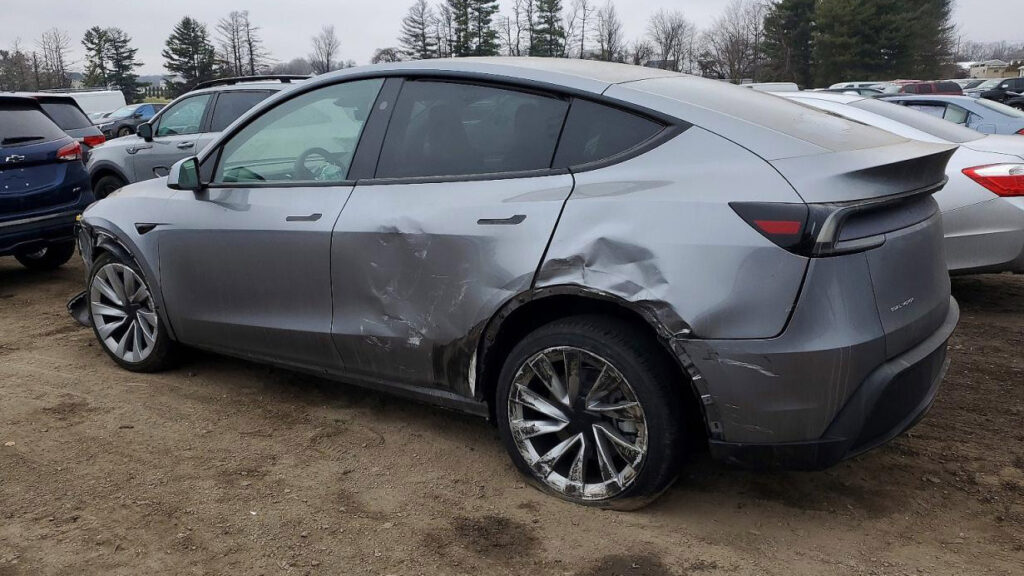
According to dealers, the supply problem is very real. “Finding a reliable used car for $10,000 – $15,000 is extremely difficult, almost impossible,” said Max Mansi from LaFontaine Automotive Group. This struggle is forcing some dealerships, as he put it, to “look for non-standard solutions.”
The Impact of Modern Technology
Part of the problem is modern automotive technology. Bumpers and grilles are now packed with sensors, cameras, and radars. A minor accident can cost thousands due to electronics and their calibration. Add higher labor rates and expensive imported parts – and insurers often decide it’s cheaper to total a car than to repair it.
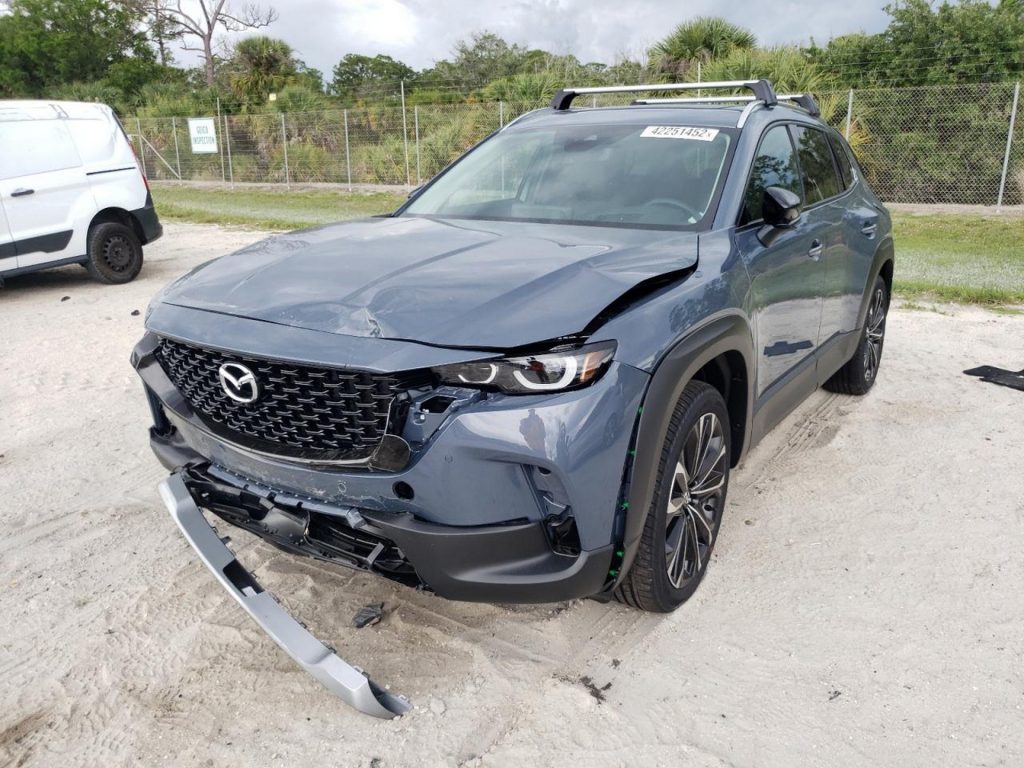

Thus, many post-accident cars that would once have been repaired are now totaled, then rebuilt and sold with special notations in their documents. Insurers totaled approximately 17 million vehicles in 2025, and industry estimates suggest about 2.5 million of those totaled annually eventually return to the road with branded titles.
The question for dealers is now not only “can we repair this?” but also “can we guarantee this?” Reputation is a fragile thing when you’re selling cars that customers rely on daily.
Cautious Steps
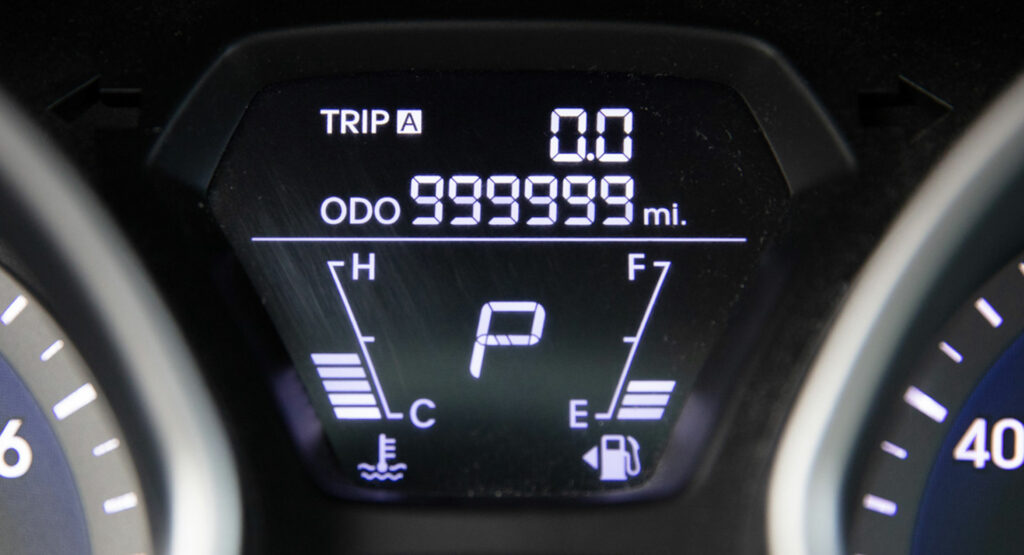
Some dealer groups are cautiously testing this path, perhaps accepting cars with unverified mileage. Others are willing to sell wrecked and salvaged cars, provided they have been properly repaired and look as good as cars with a clean history. They hope that the customer helped by this imperfect car will one day return for a quality new or used vehicle.

Reputation Risk
For other dealers, however, a branded title still means an outright refusal, as they fear future problems and safety concerns. Large national retailers like CarMax and Carvana, for example, do not offer branded title vehicles for resale, citing policy consistency and risks.
In any case, the fact that this discussion is even happening in official dealerships speaks to how tight the affordable segment of the market has become.
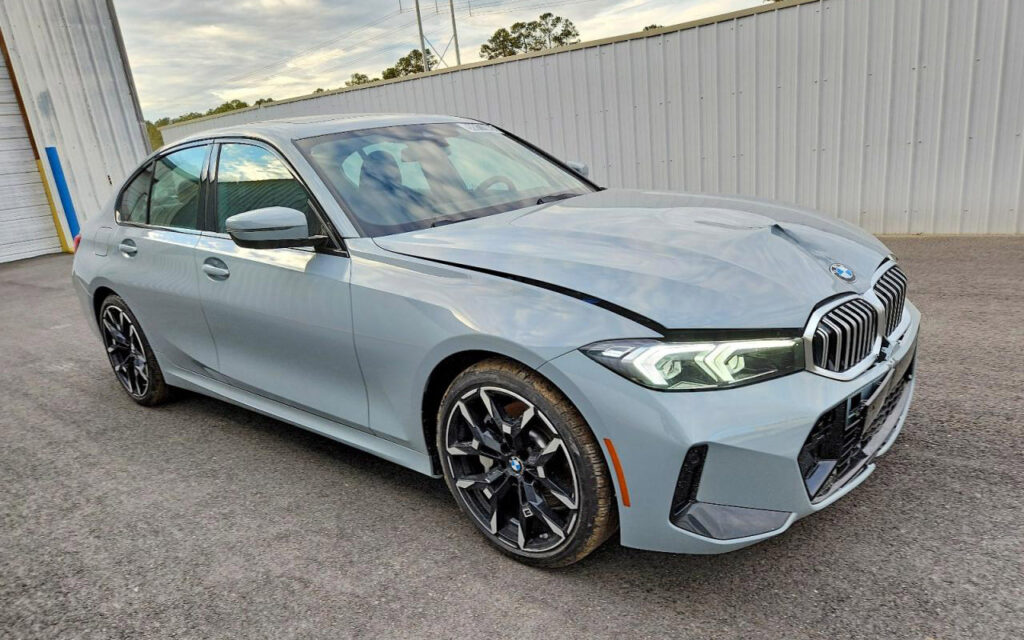

For buyers, this means more choice and lower prices, but also more “homework.” That cheap car could turn out to be a bargain. Or it could become a shining lesson in why vehicle history reports exist. This trend highlights a deeper structural problem in the market, where technological progress and economic factors are creating new classes of vehicles, forcing all participants – from manufacturers to end owners – to rethink traditional notions of value, reliability, and acceptable risk. The question remains open: are you ready to buy a car with a less-than-perfect past?