


US Senators Accuse Waymo of Collaborating with China
Waymo’s Chief Safety Officer, Mauricio Peña, faced a tense hearing in the US Senate last week. The company, which is deploying its robotaxi fleet, was accused of “getting into bed with China.” This event also served as a reminder that behind the polished image of artificial intelligence often lies human labor, which is frequently low-paid, performed overseas, and remains invisible.
New Generation of Robotaxi from Chinese Manufacturer
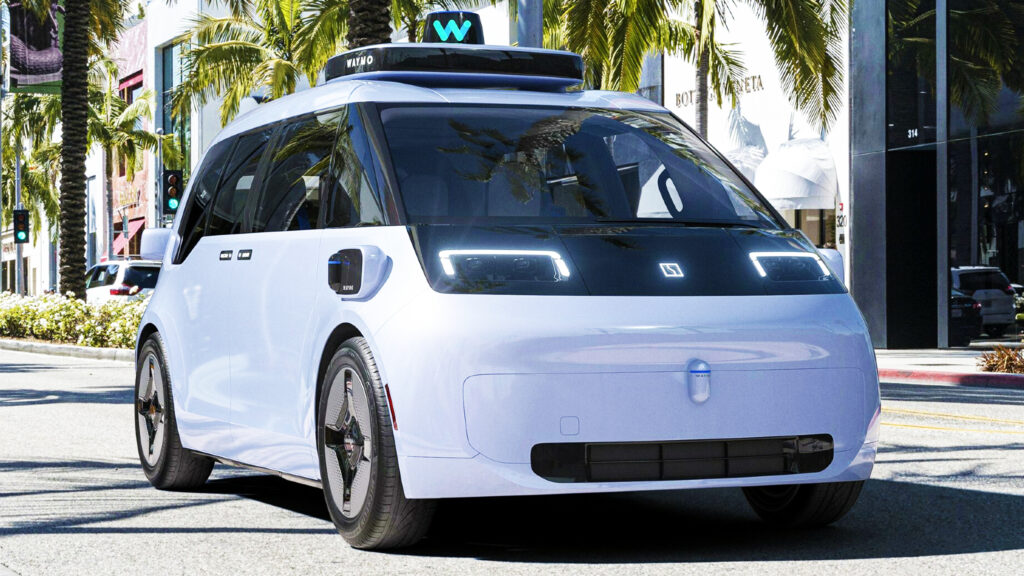
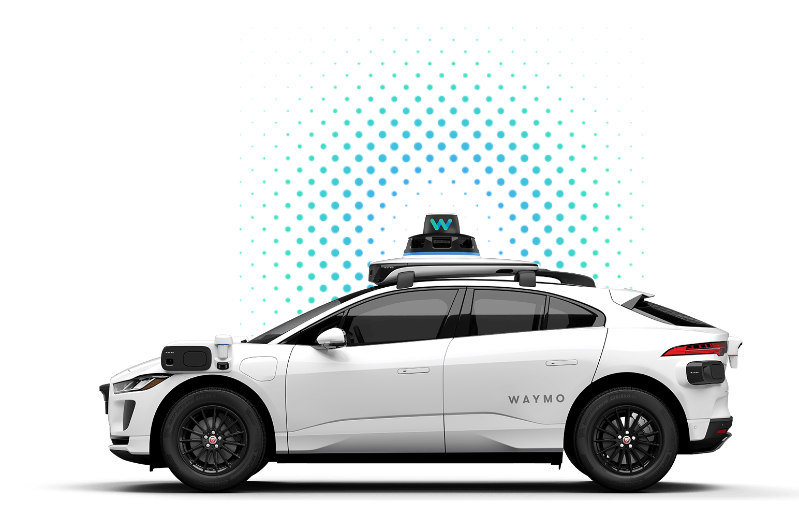
For years, Waymo, owned by Alphabet (Google’s parent company), used the Jaguar I-Pace for its fleet. However, the company is now preparing to deploy a new generation of robotaxi in the form of a minivan, developed jointly with Zeekr, a subsidiary of China’s Geely Group.
During the hearing, Peña told lawmakers that the United States is “locked in a race with Chinese companies for the future of autonomous vehicles.” He also warned that without a clear national regulatory framework, the industry could face a fragmented system of state regulations, which would slow down investments and limit progress.
Questions About Partnership with Zeekr
Ohio Senator Bernie Moreno did not overlook the irony of Waymo using a Chinese vehicle for its fleet. “You said in your testimony that we are locked in a race with China, but it seems you yourself have gotten into bed with China,” he stated.
Giving a natural market to a Chinese company so they supply us with cars makes us better and creates more jobs for Americans? That is absolutely ridiculous.
According to Business Insider, Moreno suggested that Waymo might be circumventing US laws designed to limit Chinese involvement in sensitive automotive technologies. He expressed the opinion that the company could be using a “backdoor” to avoid compliance with the federal connected vehicle rule, which was finalized last year but is not yet fully implemented.
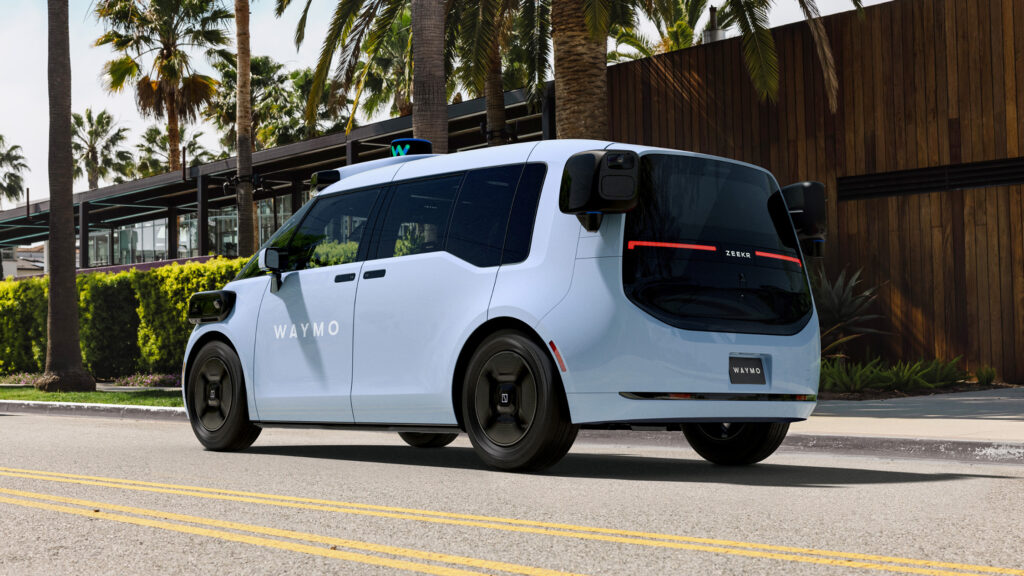

Peña rejected this interpretation. He argued that Zeekr vehicles “are not connected” and that all autonomous systems are installed in the United States. He also claimed that using global supply chains gives Waymo the flexibility to grow faster and implement operational safety guarantees.
Safety Concerns Over Overseas Operators
However, oversight questions were not limited to hardware. During the hearing, Waymo disclosed that in addition to using remote operators in the US, it also employs operators in the Philippines. According to Moreno, “having people overseas influencing American vehicles is a safety issue,” adding that these are precisely the jobs Americans should have.
Massachusetts Senator Ed Markey went even further, calling the use of remote operators outside the US “completely unacceptable.”
Tesla’s Position and Call for Regulation Modernization
Tesla’s Vice President of Vehicle Engineering, Lars Moravy, was also present at the Senate hearing. He stated that the US needs to “modernize regulations that are holding back the industry’s ability to innovate,” otherwise there is a risk of losing the race in the autonomous vehicle sector.
Federal vehicle regulations are not keeping pace with the rapid evolution of technology. Many safety standards still in effect were developed decades ago and no longer account for today’s technical realities.

These hearings highlighted the deep tension between tech companies’ drive for innovation and rapid scaling and lawmakers’ concerns about national security, labor market protection, and sovereign control over critical technologies. The dialogue revealed a fundamental challenge: how to balance competitiveness in the global tech race with domestic economic and security interests. The future development of autonomous vehicles in the US will likely depend significantly on whether this balance can be found through new legislation and regulatory frameworks.