


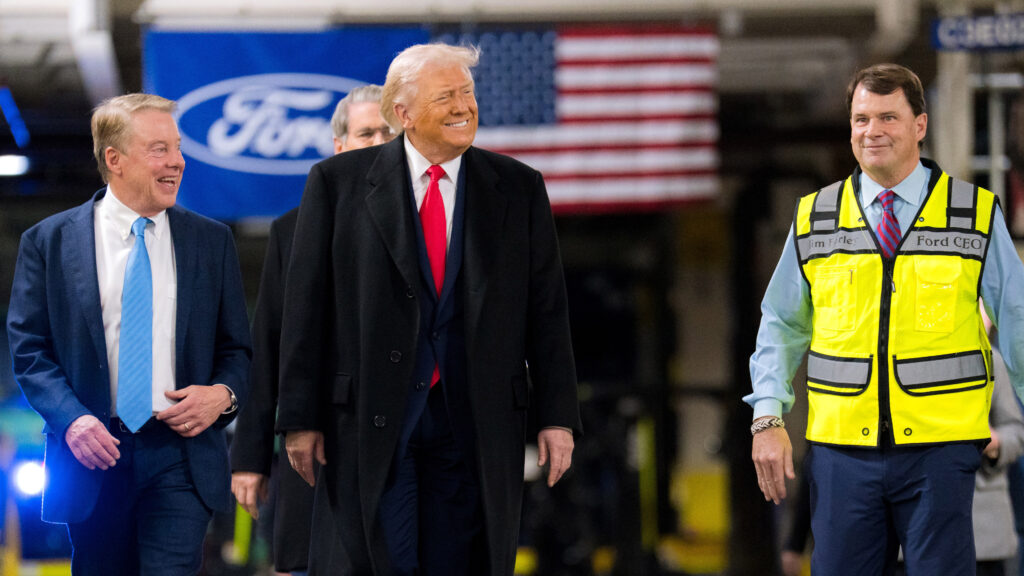
Detroit’s Big Three First in Line for Billions in Refunds
It seems the checks are already in the mail, and Detroit is first in line. Washington has only recently opened the tariff refund program, and the country’s largest automakers are already queuing up to get their paid funds back. For an administration that insisted for years that foreign governments were footing the bill, this picture looks rather unflattering.
Approximately $166 billion in tariffs, which were illegally imposed under the International Emergency Economic Powers Act (IEEPA) of 1977, will be returned to importers over the coming months. These refunds became possible following a February ruling by the U.S. Supreme Court that struck down parts of the tariff program, prompting companies to begin filing applications last week.
In its latest earnings report, Ford stated it expects a refund of $1.3 billion and has already recorded this amount in its books.
Other Automakers Will Also Receive Significant Sums
Besides Ford, General Motors stated it expects to recoup approximately $500 million in import taxes paid over the past year. However, like Ford, the company has not yet received this money and does not know when the refund will be paid out. Stellantis also expects to receive approximately 400 million euros ($469 million).
The benefits will not be limited to Detroit’s “Big Three.” Mercedes-Benz also expects significant refunds, as does Volkswagen. However, speaking to Reuters, VW CFO Arno Antlitz noted that any refund amount would be minor compared to the annual cost of 4 billion euros ($4.69 billion) added by the tariffs.
Across the industry, companies have begun recording these projected refunds as income, adding approximately $2.3 billion to their quarterly results on paper, although the cash has not yet arrived.
What Will Trump Think?
According to Ford CFO Sherry House, the automaker has a fiduciary duty to file for a refund of the illegal tariffs to protect its shareholders. These tariffs can be refunded through the new CAPE (Consolidated Administration and Processing of Entries) system of U.S. Customs and Border Protection. The refunds will include interest, and most are expected to be paid within 60-90 days after the application is accepted.
While companies will undoubtedly welcome the refunds, they will have to act cautiously. Filing for a refund could attract political attention, as firms risk backlash from the administration, despite acting within the law.
Last month, President Trump stated he would “remember” those firms that do not seek tariff refunds. As for consumers who indirectly paid the tariffs through higher prices, particularly in the automotive industry, they will receive absolutely nothing.

This situation creates an interesting precedent: while corporations receive multi-billion dollar refunds for illegally collected tariffs, the end consumers who actually paid the higher prices due to these duties are left without compensation. This highlights the disconnect between how trade policy affects businesses and ordinary buyers. Furthermore, political pressure from the administration may cause some companies to hesitate in filing for refunds, creating additional tension in business circles. At the same time, the very fact that the tariffs were deemed illegal through a court ruling casts doubt on the effectiveness and legality of similar protectionist measures in the future.