


Course Change Amid Political Winds
General Motors is finally taking a step into the world of plug-in hybrids, a move that has been long awaited. Despite changes in the political climate that have eased the production of internal combustion engine vehicles, GM still considers fully electric vehicles the ultimate goal.
Due to tariffs increasing costs, the absence of the $7,500 federal tax credit for electric vehicles, and relaxed fuel economy standards, automakers are forced to review their schedules and adapt.
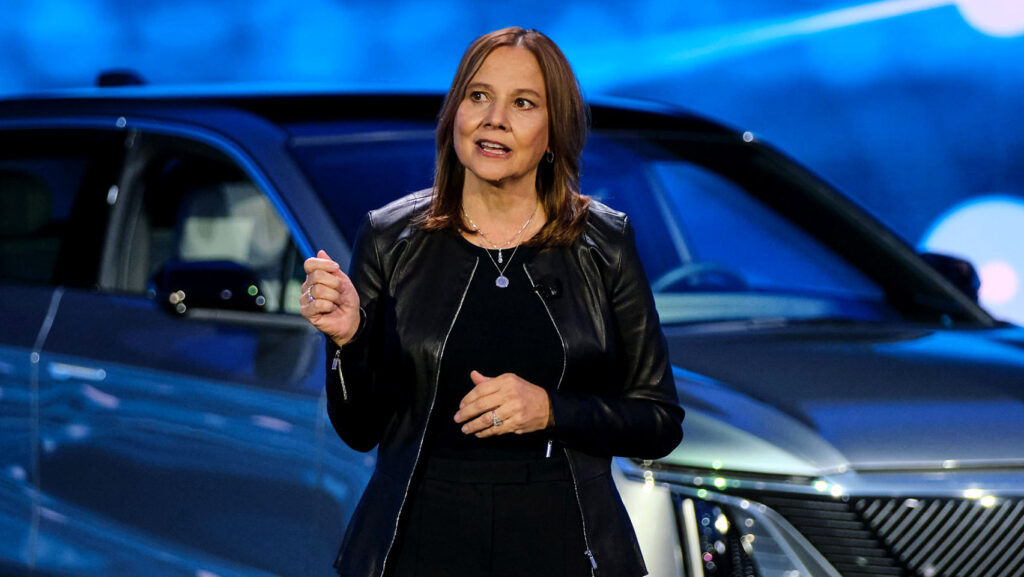
Speaking at an Automotive Press Association event, Mary Barra confirmed that GM
“had to make some pretty significant changes”
, including cutting electric vehicle investments by billions of dollars. But she also made it clear that new hybrids are already in development.

A Pragmatic Approach to Hybrids
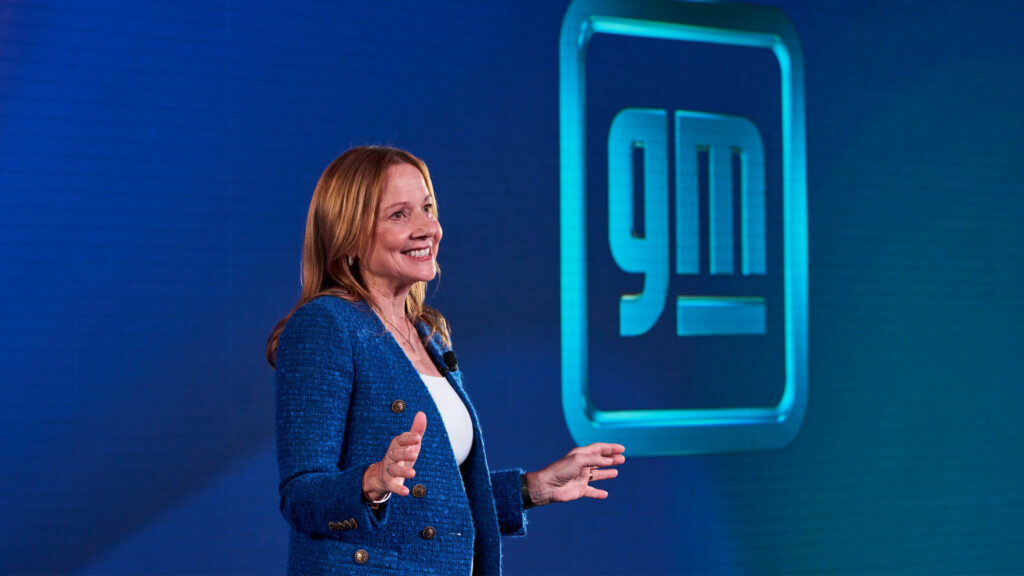
“We are evaluating plug-in hybrids. We have plans for them. Previously, plug-in hybrids were counted from a regulatory standpoint. So we have plans to launch them, and we will have hybrids where we deem it necessary. But, again, we are primarily investing and continuing to work on electric vehicles because we believe that is the end game”
, Barra stated.
Back in mid-2024, Barra revealed plans to start selling plug-in hybrids in the US in 2027. In her recent statements, she did not provide an updated timeline or name specific GM models that will receive the new powertrains.
However, she acknowledged that hybrids have their own challenges, including the fact that many owners do not charge them. Nevertheless, GM views both plug-in and conventional hybrid systems as part of its evolutionary strategy.
“We are trying to be very thoughtful about what we do in terms of hybrids and plug-in hybrids”
, she said.

Electric Vehicles Remain a Priority
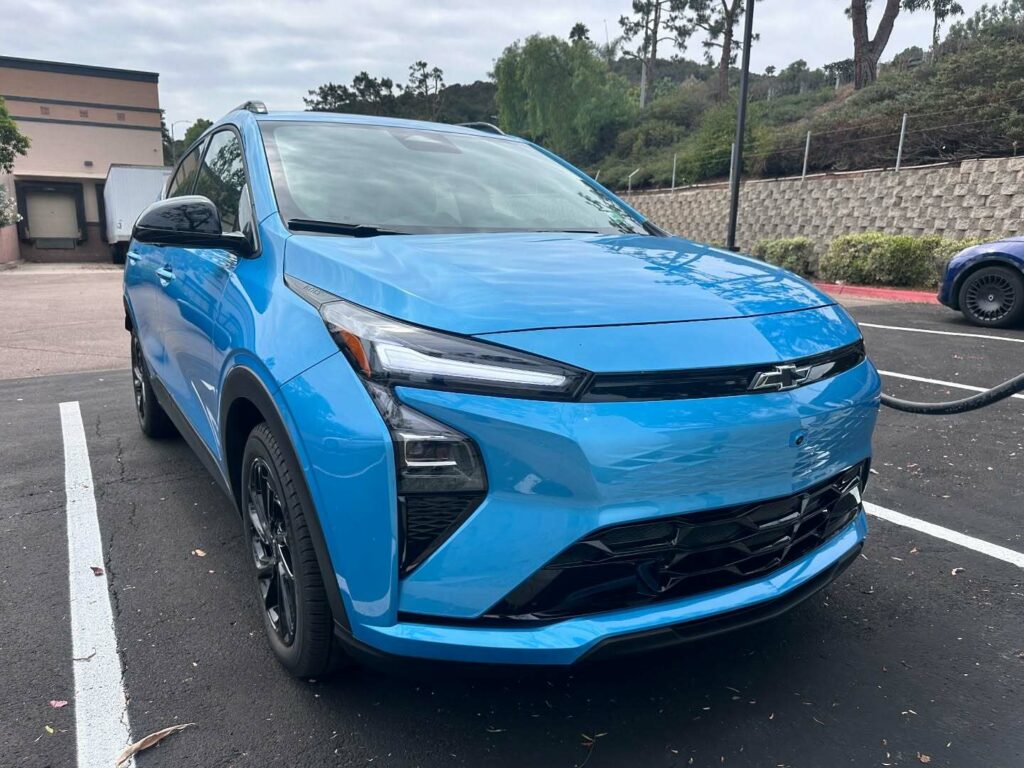
Despite investments in PHEVs, GM is not retreating from BEVs as aggressively as some of its competitors. For example, Ford recently wrote off $19.5 billion after canceling several key EV programs and partnerships. In contrast, GM expects a write-off of about $6 billion related to cutting electric vehicle costs, in addition to a separate $1.6 billion write-off in the third quarter.
During her remarks, Barra emphasized GM’s desire to remain flexible, especially given the uncertain regulatory environment in the future.
“I’m a little surprised by those [automakers] who are retreating very quickly, because we don’t know what will happen in ’29, ’30, ’32”
.
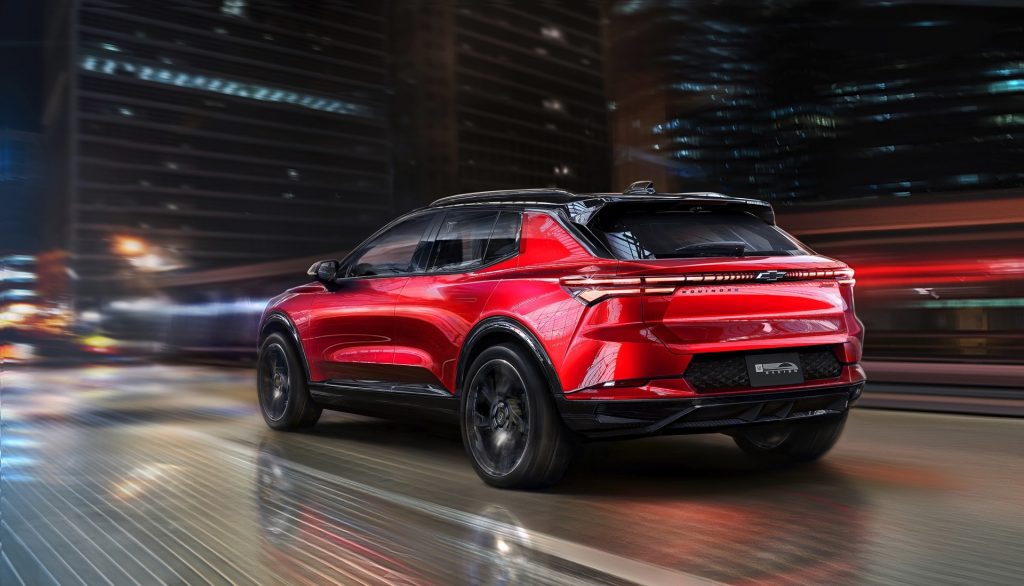

This strategic maneuver by GM reflects the complexity of the modern automotive landscape, where technological ambitions collide with economic and political reality. The decision to develop hybrid and electric technologies in parallel demonstrates a pragmatism aimed at risk reduction. For now, the market, especially in the US, shows cautious attitude towards a full transition to electric power, and hybrids could become that important transitional link that will help retain customers and meet regulatory requirements in conditions of instability. The success of this approach will depend on how quickly infrastructure can be developed and electric vehicles made more affordable, because it is this, not just technology, that determines mass adoption.