


The state of Utah may introduce red-light running cameras, but with an unusual approach. Unlike most similar systems, they will not issue fines. The program is being considered as a pilot project for data collection to improve road safety.
Pilot Program Bill
Representative Jake Fitisemanu has reintroduced bill HB275, which will create the framework for this program. If approved, the system will start operating no later than January 1, 2027, and will conclude by April 30, 2028. In 2029, the law will automatically expire, distinguishing this project from other traffic camera initiatives.
Goal is Data, Not Fines
The most important feature of the proposal is a clear prohibition on issuing fines, penalty points, or any other sanctions. The project is entirely focused on collecting information and informing the public. The goal is to help the state and drivers understand how often red-light running occurs and what consequences it has.
According to data, from 2020 to 2024, the state recorded approximately 2,375 accidents annually due to red-light running. Over these years, 64 people died, and over 500 sustained serious injuries. About 95% of these accidents are side-impact collisions, often the most dangerous type.
Two-Phase Testing Plan
If the law takes effect, the pilot program will be implemented in two phases. The first phase will last at least 60 days and will be dedicated to passive data collection to establish a baseline level of violations and accident rates at each selected intersection. The second phase, lasting no less than 120 days, will focus on public awareness.
During this phase, drivers who run a red light will receive a warning by mail along with a photo of their license plate. No civil or criminal penalties are foreseen. The collected data cannot be used in court proceedings or investigations, except when authorized by a court in cases unrelated to traffic violations.
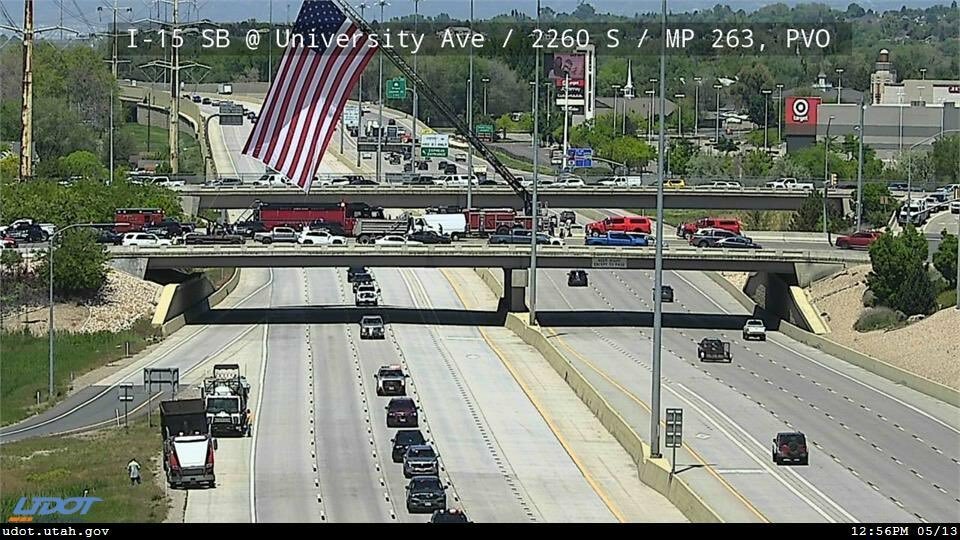

Photo: UDot / Google Maps
Program’s Future and Social Context
Thus, the system will essentially notify the violator: “The government saw this, and it was bad.” However, the bill still needs to pass committee discussion before legislators can vote on further development of the pilot program. This approach reflects the search for a balance between road safety and privacy protection. It may also become valuable experience for other regions considering similar measures but facing public opposition due to fears of mass surveillance. The success or failure of this project in Utah could set the tone for future discussions about the role of technology in ensuring public safety.