


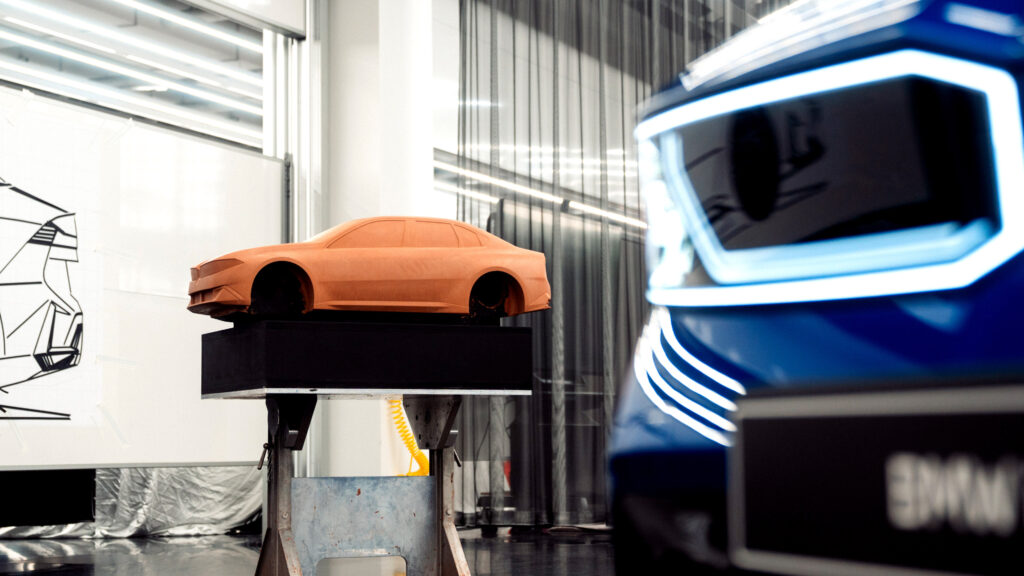
BMW’s New Strategic Course
BMW appears to be moving away from the universal approach of the current i5 and regular 5 Series, which share a single platform. The future of these models will be defined by distinct development paths, following the example of the new i3 and 3 Series, as well as the iX3 and X3, where each type of powertrain will receive its own specialized architecture.
The transition has already begun. The Neue Klasse era started with the iX3 electric crossover, soon followed by the i3 sedan. The company has officially confirmed that the styling and technologies of Neue Klasse will be applied to 40 new and updated BMW models by 2027.
Joachim Post, a member of the BMW Board of Management responsible for Development, explained the company’s logic: “When we, BMW, develop a new technology, we produce 2.5 million cars per year in a large number of variants. For us, scaling is always important. We are a global player and must scale our technology across the entire fleet to achieve economies of scale. This provides the understanding that when we do something, we do it not just for one car.”
Scaling the Neue Klasse Platform
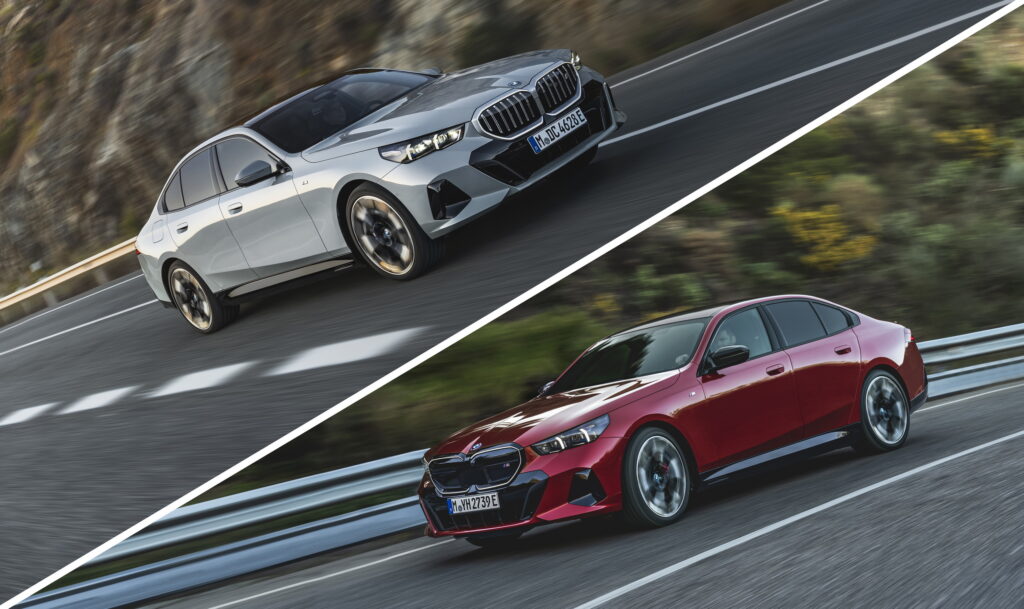

These comments pertain not only to individual components such as electric motors, battery packs, or driver assistance systems but also to the electric-oriented Neue Klasse architecture. Post hinted that the platform will ultimately underpin larger models, including future generations of the i5 and i7. This will clearly separate them from their gasoline and diesel siblings—the 5 and 7 Series—which are expected to continue using the CLAR platform.
The current 5-Series and i5 debuted in 2023 and are expected to receive an update in 2027. This timeline points to a full model change closer to the end of the decade. A similar scenario applies to the 7 Series and i7, which debuted in 2022 and are already approaching their own mid-cycle update with revised design and technology.
Changing Proportions of Electric Cars
By moving away from the constraints of platforms designed around inline six-cylinder engines and traditional transmissions, BMW designers gain significantly more freedom. While a unified family identity is likely to be maintained, specialized electric cars will inevitably have different proportions and layouts compared to ICE models.
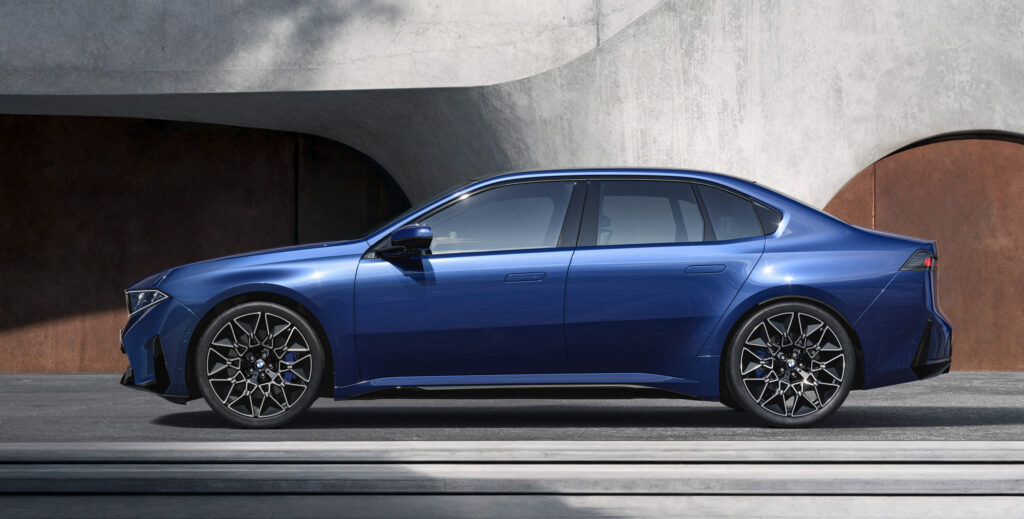

The first clear example will be the next 3 Series, which is expected to appear as a significantly updated evolution of the current model. Spy photos already indicate a different front overhang-to-axle ratio compared to the i3 sedan, even though both models share similar visual cues.
Similarly, transitioning the next i5 and i7 to specialized electric platforms should result in shorter overhangs, a longer wheelbase, and more “cab-forward” silhouettes. The emphasis here is on interior space and aerodynamic efficiency.
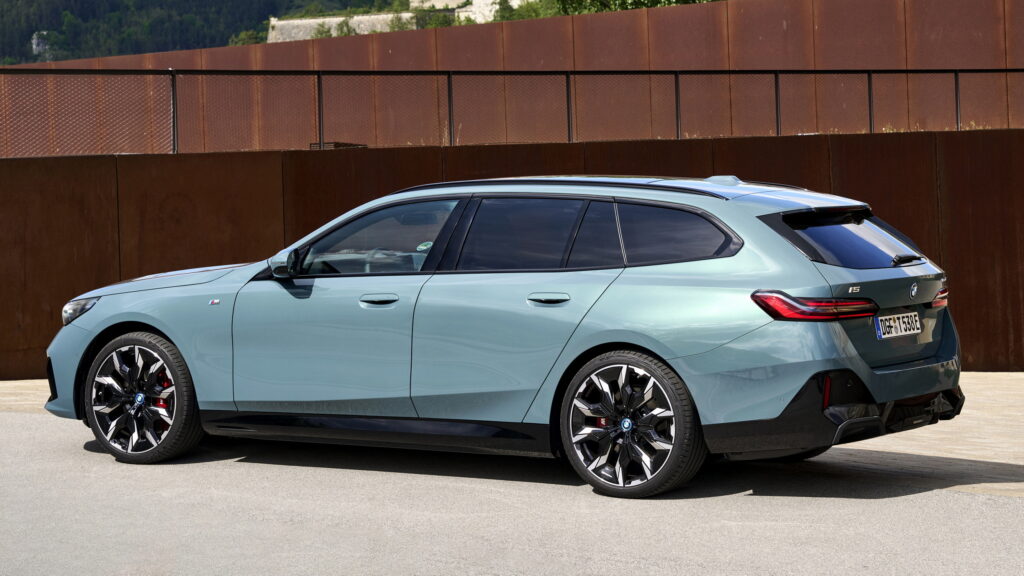

However, BMW seems keen to avoid the rounded, egg-shaped silhouettes of the Mercedes-Benz EQE and EQS, which have not found broad acceptance among buyers. Mercedes itself is now changing course, and the German brand’s future electric cars will more closely resemble their internal combustion engine counterparts.
These changes in BMW’s strategy reflect a broader trend in the automotive industry, where finding a balance between innovation and tradition is becoming key. The shift to separate platforms allows the brand to fully realize the potential of electric propulsion without being constrained by the compromises required for universal architectures. The success of this approach will depend on whether BMW can preserve the “driver-focused” essence and emotional connection for which their cars are valued, while offering the benefits unique to next-generation electric vehicles. Competition from Mercedes, which is testing different design paths, will only intensify this battle for customer loyalty in the premium segment.