


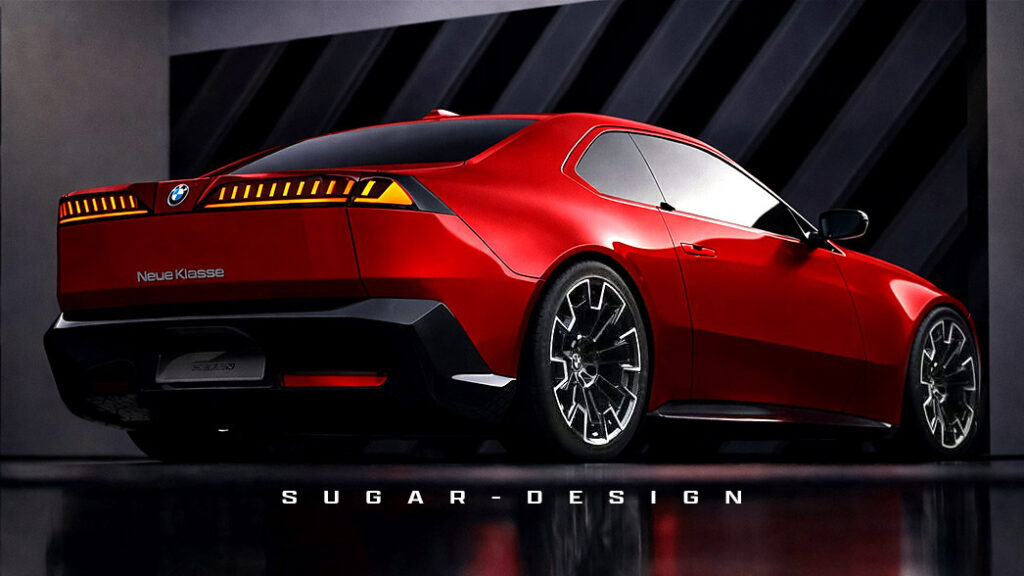
Despite the declining demand for coupes, BMW is not planning to abandon this segment. The third generation of the 4 Series is already in preparation, and this is not just a superficial update. The new model appears to be set to play a more important role in the brand’s long-term strategy, potentially offering both electric and gasoline versions, as well as a new M4 flagship.
The place of the 4 Series in BMW’s electric plans
The current generation BMW 4-Series has been produced since 2020 in various forms, including the Gran Coupe and the fully electric i4. The latter has so far been BMW’s most popular electric car, but this role is soon expected to be taken over by the i3 version of the next-generation 3 Series. This transition has raised questions about the place of the 4 Series in the company’s evolving electric and gasoline plans.
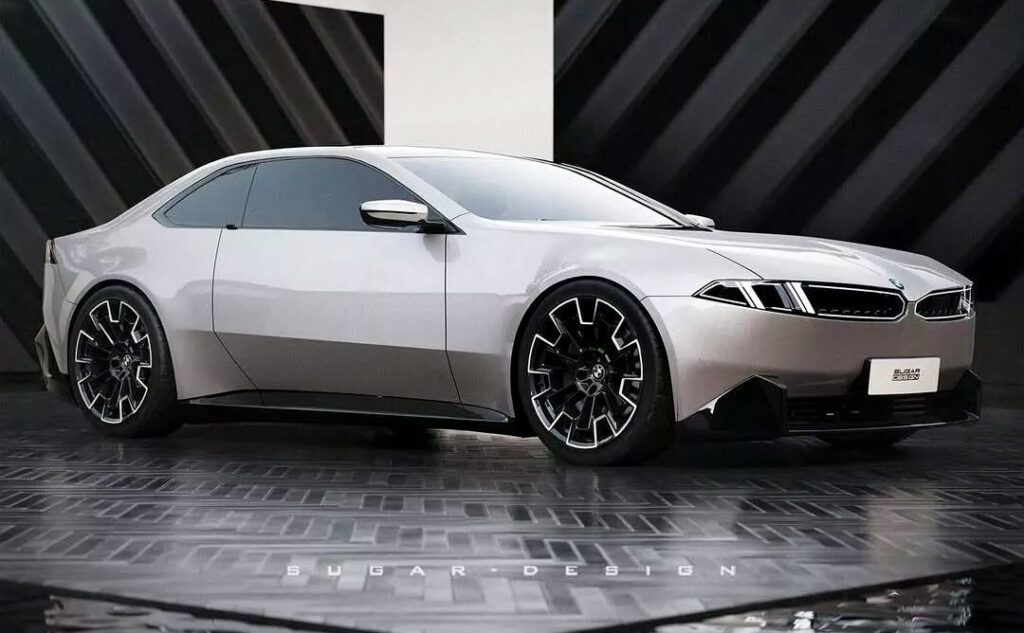

Strategic importance of coupes and platform synergy
BMW’s head of engineering and development, Joachim Post, emphasized that the 4 Series remains strategically important. He also noted that creating the new generation of the car will be relatively inexpensive due to joint development with the next-generation 3 Series.
“The 4 Series is an important car for us. It is more sporty, and BMW is a sporty brand that also has a clear heritage in terms of performance. It will play an important role in the future as well. It is not as expensive as creating an entirely new car, and whenever we make a 3 Series or an X3, we still think about the 4 Series or X4 to create them with synergy, so that the derivative model can be easily built on the basis of the base one.”
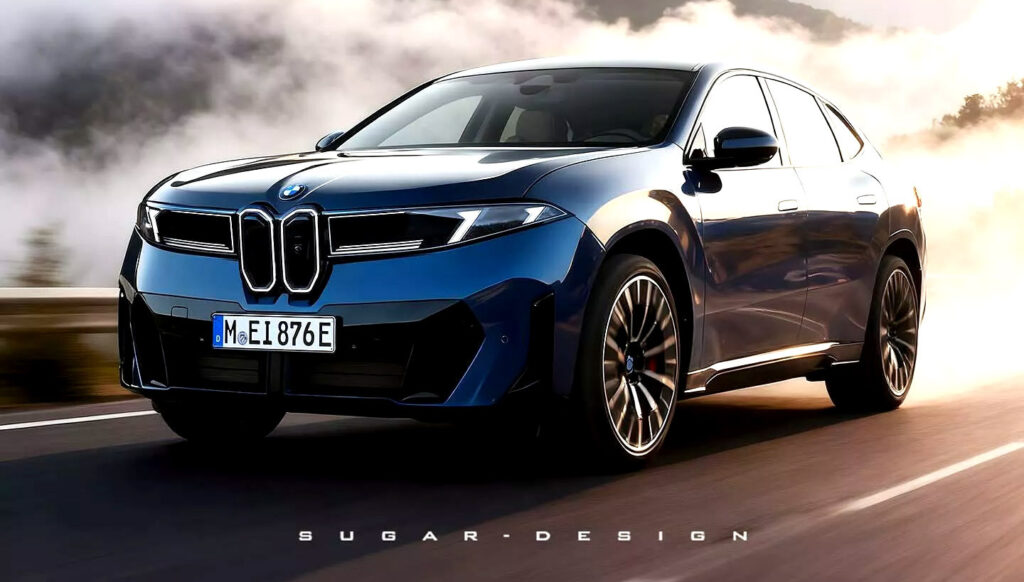

BMW iX4 by Sugar Design
Post pointed out the benefits of what BMW calls “high synergy” between models such as the 4 Series, X4, and X6. By using shared components and platforms, BMW can build less mass-market body styles without bearing the full cost of development from scratch. This gives models like the 4 Series a clearer business case, even in the less crowded coupe market.
Neue Klasse platform and new possibilities
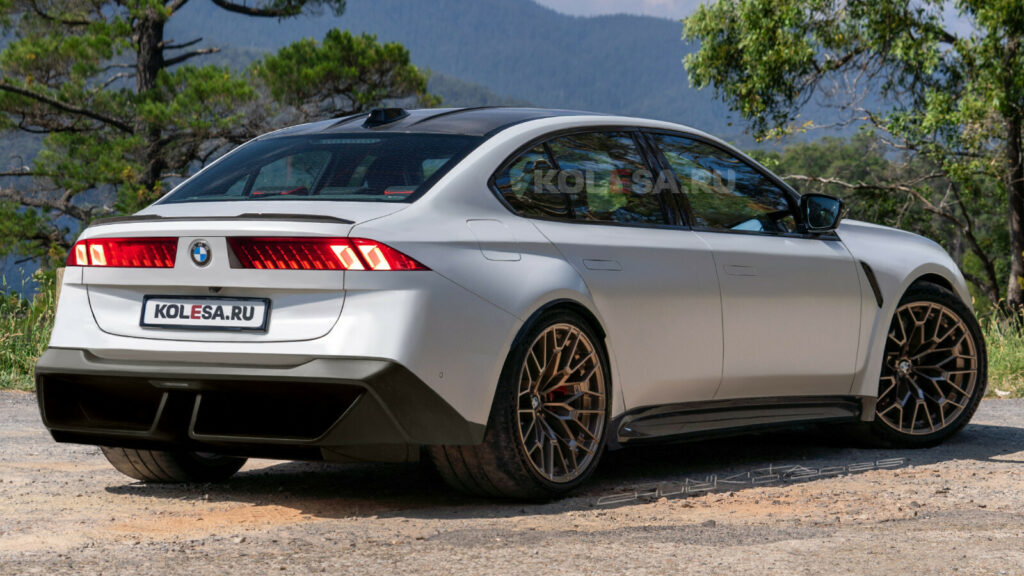

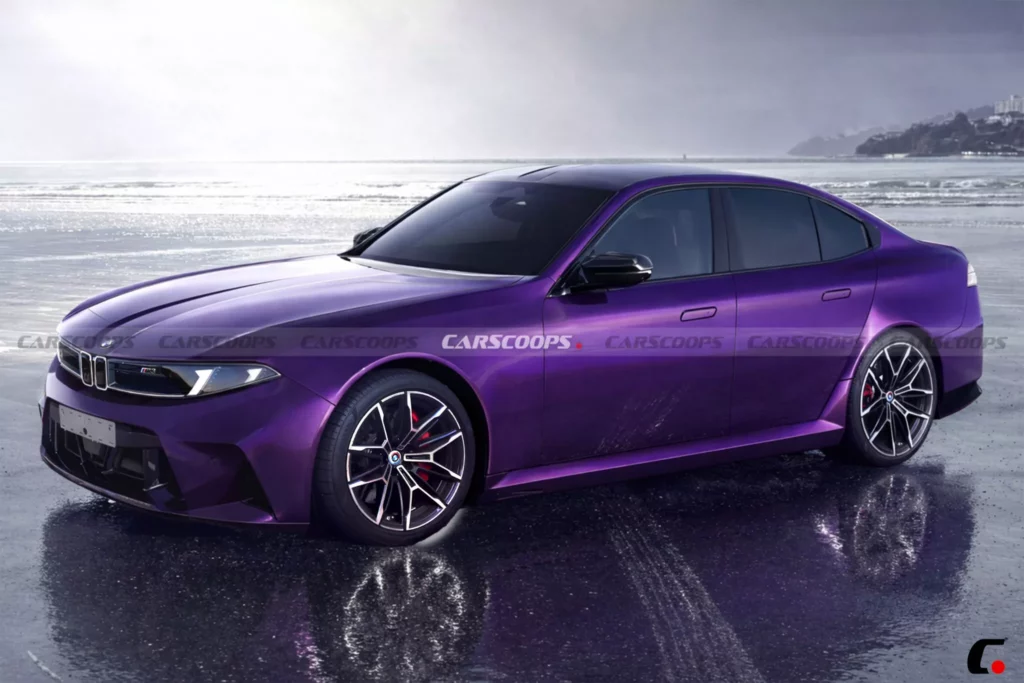
BMW iM3 2028 by Kolesa
If BMW does indeed launch a new 4 Series, it will follow the same path as the next 3 Series. This means we could potentially see both gasoline and electric versions, each built on different platforms. The gasoline model will use an updated version of the familiar CLAR platform, shared with the next-generation 3 Series, while the electric car will be based on BMW’s Neue Klasse architecture, the same one underpinning the future i3 and iX3.
Of course, there is a possibility that BMW may decide to choose only one direction, but so far the company has not publicly made such a decision. It is known that the Neue Klasse is already confirmed to support the electric iM3, making the appearance of an iM4 coupe quite possible. On the gasoline side, BMW has also stated that the next M3 will remain with a six-cylinder engine in the form of a mild hybrid, leaving the door open for a new gasoline M4 Coupe. Whether we will get both versions or only one is still unknown.

Technical expectations and market situation
If an electric version of the 4 Series appears, expect a configuration similar to the future i3, with BMW’s 108 kWh battery pack. Rear-wheel-drive and all-wheel-drive powertrains will also be available. While Post did not disclose performance targets, preliminary data suggests a range of over 500 miles is achievable.
Whatever BMW ultimately does, it is clear that competition in this segment is shrinking. Audi has discontinued the A5 Coupe, and Mercedes has merged its C-Class and E-Class coupes into one CLE model. With fewer players in the market, BMW may gain a bit more freedom to maneuver on the sales front.
Mainstream gasoline engines remain
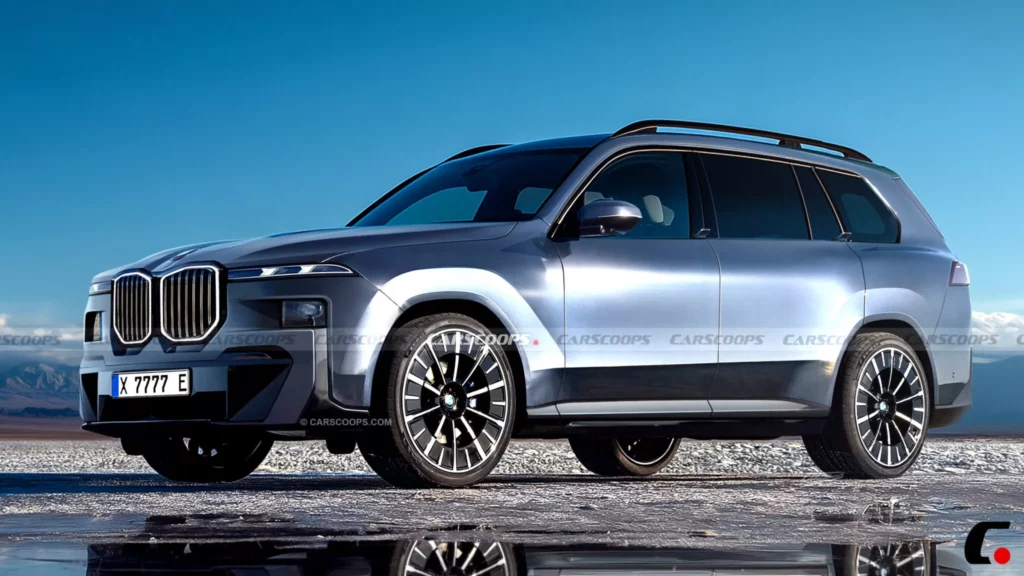

During the same conversation, Post noted that BMW has already developed its next generation of engines to comply with Euro 7 standards. This means the current twin-turbo 3.0-liter inline-six S58 engine from the M3 and M4 will live on, albeit updated with a mild-hybrid system. He also confirmed that large V8 and V12 engines are safe, including the 6.75-liter V12 used by Rolls-Royce.
“We can meet the Euro 7 requirements with some optimization of the exhaust system – for example, catalysts – so we have a big advantage in that Euro 7 is not such a huge investment for us.”
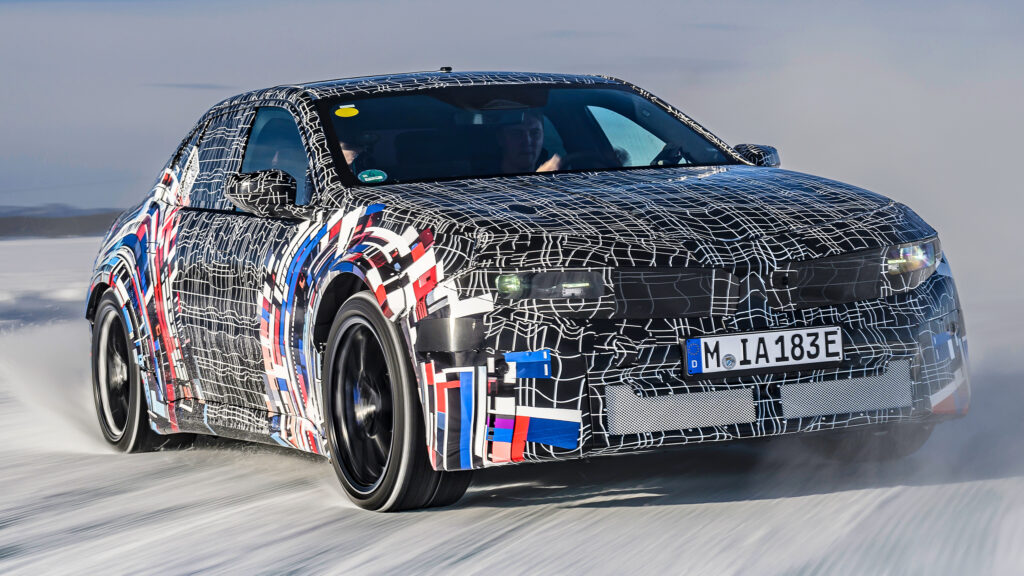

BMW’s approach, aimed at maximizing synergy between models and platforms, proves to be key to maintaining the viability of niche products like coupes in a transforming market. The decision to develop the new generation of the 4 Series in parallel in both electric and gasoline versions demonstrates flexibility and an unwillingness to make premature bets on a single type of powertrain. This allows the company to respond to demand and regulatory requirements while preserving its sporty identity. Market conditions, where competitors are gradually moving away from classic coupes, may even create additional opportunities for BMW to establish itself in this segment as one of the last manufacturers offering a wide choice.