 by
by BMW has announced a new phase in its design, which returns to more classic and restrained forms. This direction is embodied by the new second-generation iX3 model, which ushers in the Neue Klasse era.
New Design Direction
BMW has long faced criticism for its design decisions, which have often been quite polarizing and a departure from the understated elegance of past decades. However, a change in direction is now taking place. With the advent of the Neue Klasse era, the brand is introducing the iX3, which, while still expressive, does so in a more balanced and less provocative manner.
The car retains its characteristic silhouette but avoids the most controversial features typical of other contemporary models. It remains recognizable as a BMW but demonstrates more balanced proportions and attention to detail. The new philosophy does not mean a complete abandonment of experiments but indicates a serious reassessment of the approach.
Return to Classic Proportions

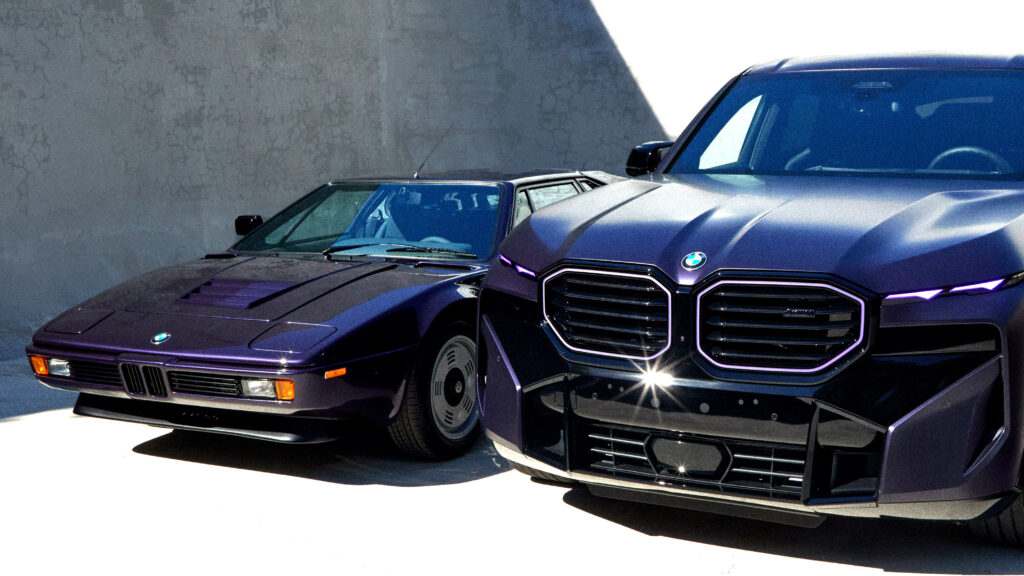
Neue Klasse is not just a theme, but an opportunity to reboot the brand’s visual language. Adrian van Hooydonk, the chief designer of the BMW Group, is leading this process. Inspiration is drawn from cars of past decades, and the most noticeable change has been the revision of the famous kidney grille. While in recent models it had swollen to almost caricature-like sizes, in the new iX3 it has become more vertical and proportional, reversing the trend of increasing dimensions.
We wanted to create a formal language that would be very long-lasting. That’s why it’s simpler.
Van Hooydonk explained that the new design language focuses on “longevity.” He described the new direction as intentionally more restrained and structured, with fewer lines and visual noise.
Room for Experimentation Remains

His thinking also contains a cultural commentary. He noted that the world is becoming increasingly noisy, so he is glad if BMW brings a bit of peace and calm. However, this does not mean that all future BMWs will be calm. For fans of models like the XM, van Hooydonk offered hope: “expressive products will still be there—you just need to be a little patient.”
During a recent event at the Designworks studio in Santa Monica, van Hooydonk was asked if he himself considered the XM “beautiful.” He replied with deliberate ambiguity: “Beautiful… that concept needs to be defined.”
Design for the Global Market
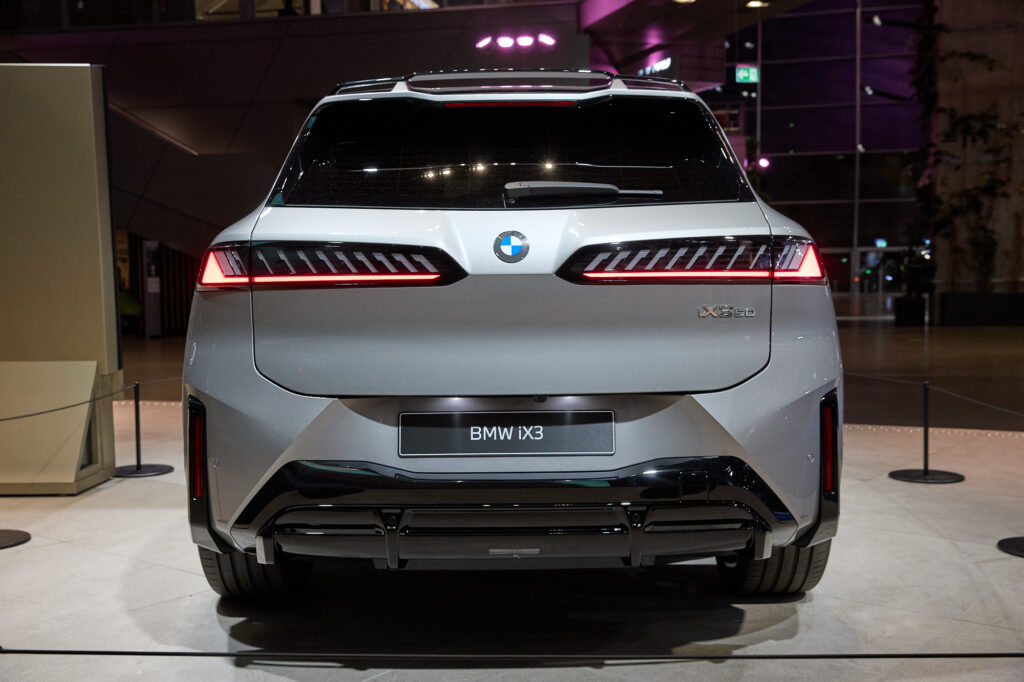
In contrast to the XM, the iX3 was intentionally created to be more accessible to a broad audience, demonstrating a balanced approach. Martin Groschwald, head of the design consultancy Konzepthaus, noted that many Chinese manufacturers tend to imitate each other, and without logos, their cars look almost identical. In his opinion, the iX3 walks a fine line: it is close enough in form to be familiar to Chinese buyers but has enough individuality to remain recognizable as a BMW.
Work on the Neue Klasse design began back in 2019, and the reception of the new iX3 has been very successful. In just the first six weeks after its presentation in September, BMW received about 3000 orders for the new iX3 in Germany alone. The company is also confident in its success in other markets, including China, where long-wheelbase versions will be produced.
The company’s bet is clear. In markets like China, a certain degree of visual conformity is expected and even welcomed. But BMW aims to find a balance, creating a product that fits local expectations enough to be attractive, yet is different enough to stand out.
This turn towards a more classic aesthetic could be key for BMW in the context of fierce competition in the global market, especially from Chinese electric vehicle manufacturers. For now, the reaction to the iX3 suggests that many customers are ready to return to the more refined and timeless forms associated with the brand’s best traditions. The future will show whether this approach becomes the new standard for the entire lineup, or whether BMW will maintain a dual strategy, offering both conservative and radical models for different audiences.