 by
by Last year, BMW set a new sales record in the United States market. However, this success was accompanied by a significant drop in demand for the brand’s fully electric models, while vehicles with internal combustion engines, especially SUVs, remained the most popular.
A Record Year with Contradictory Trends
For the full year 2025, BMW achieved its best result ever in the US, selling 388,897 vehicles. This is 4.7% more than in the previous year, 2024. Even despite a slight 3.4% sales decline in the fourth quarter, the overall annual figure turned out to be a record. The MINI brand also showed growth of 9.3%.
However, the overall growth hides a problematic situation in the electric vehicle market. Sales of BMW’s fully electric models fell by 16.7% for the year. A particularly sharp drop occurred in the last quarter – by 45.5%, which experts link to the cancellation of the US federal $7,500 tax credit for electric vehicles.
Detailed Sales Picture by Model
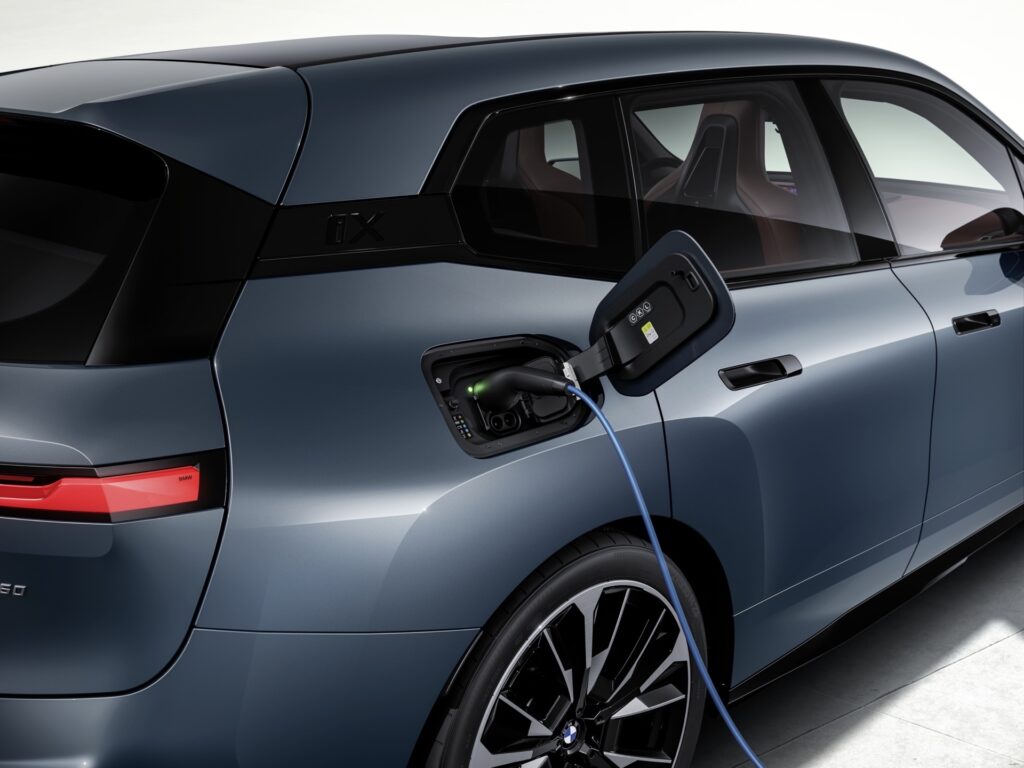
Every electric BMW model on the American market experienced a sales decline. The most popular electric car, the i4, lost 14.1% of its sales. The i5 and i7 models fell by 21.5% and 15.3%, respectively. The iX electric SUV sold 18.2% worse.
In contrast, plug-in hybrid models showed growth of 30.7%, indicating that buyers are still interested in partial electrification.
The undisputed sales leaders remained traditional SUVs. The X3 became the brand’s best-selling model with a result of 76,546 units and an 11.3% increase. The X5 took second place with 76,246 vehicles sold. The 2 Series (+36.3%), 3 Series (+5.4%), and X6 (+26.6%) models also demonstrated significant growth.
The Future of the Electric Direction
The obtained data clearly indicates that the market dynamics for electric vehicles remain fragile and heavily dependent on government support. The loss of significant tax incentives instantly affects buyer decisions. At the same time, stable demand for hybrids and, especially, for powerful SUVs with internal combustion engines confirms that the transition to pure electric vehicles in the US is a longer and more complex process than expected. For BMW and other manufacturers, this means the need for a flexible strategy that simultaneously develops electric technologies and supports profitable traditional models that finance this transition. The success of the next year may largely depend on whether they can offer electric vehicles that are attractive to buyers even without external financial incentives.