


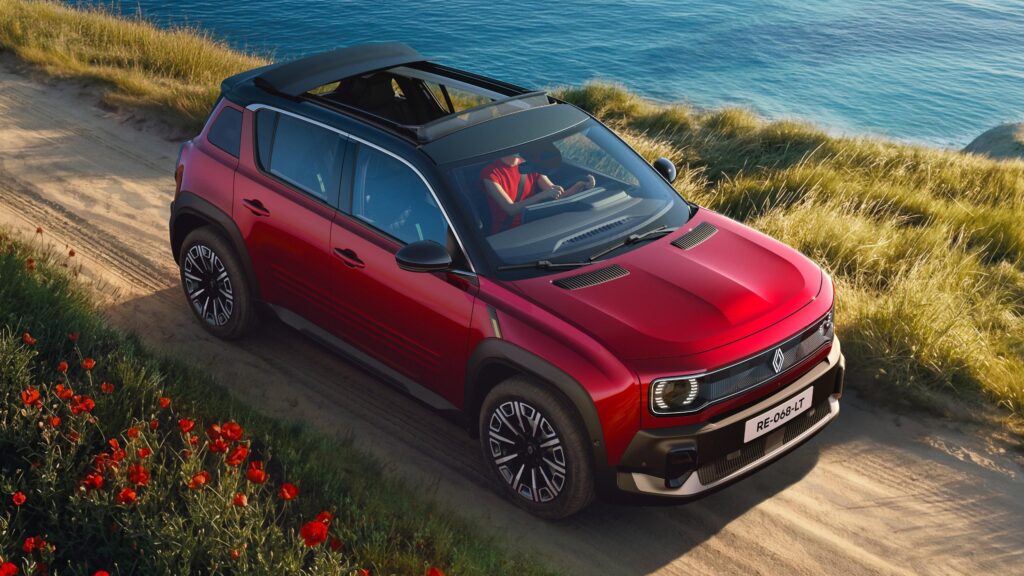
Ford and Renault want to revive EREV in Europe
The automotive industry, which had almost buried the technology of electric vehicles with a range extender (EREV), is now preparing for its return. Two major European players, Ford and Renault, consider EREV an important powertrain option for the European market. If these automakers actively support the technology, competitors will likely follow.
What is EREV and why is it coming back?
The technology is not new. The first mass-produced EREV was the Chevrolet Volt, launched back in 2011, and a few years later the BMW i3 appeared. However, after BMW abandoned the i3 version with a generator engine in favor of a fully electric model, EREVs almost disappeared. Manufacturers focused on hybrids and battery electric vehicles. The situation changed during the pandemic, when Chinese brands brought EREVs back into the mainstream, and now traditional automakers are beginning to see their potential.
According to the head of Ford’s European division, Jim Baumbick, “these cars could lead to fundamental changes” in the local market. Ford is already working on creating a special version of the Bronco for Europe and plans several EREV, plug-in hybrid, and traditional hybrid models.
“Electric vehicles are, of course, part of our portfolio, but a broader spectrum of electrification – from full hybrids to plug-in hybrids and next-generation EREVs – will play a very significant role,” Baumbick said to the German publication Automobilwoche.
Ford and Renault partnership in EREV
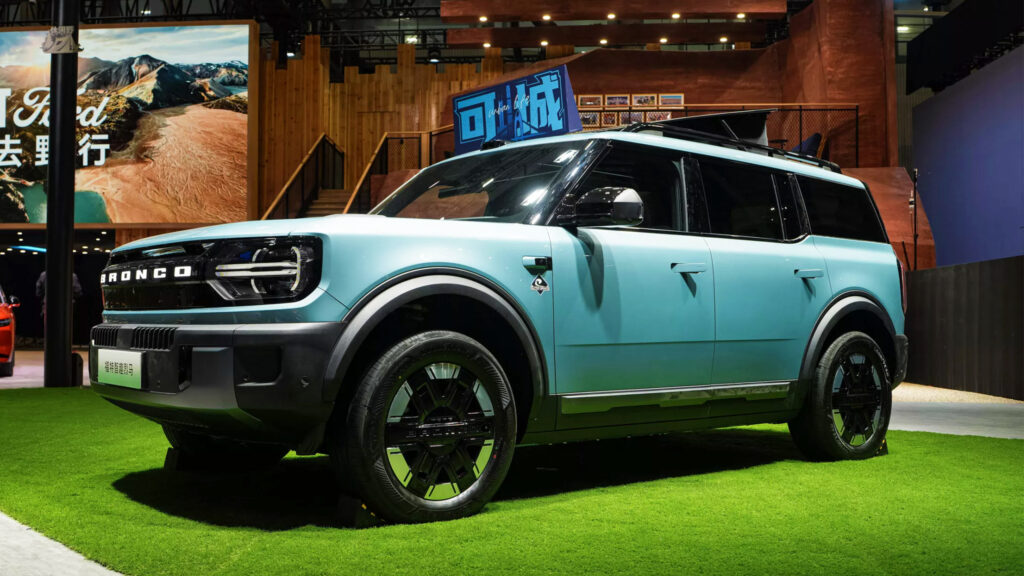

Last year, Ford introduced an EREV version for its Chinese Bronco, equipped with a 1.5-liter turbo engine and a battery pack with a capacity of 44 kWh. It is not yet known whether the company will import this powertrain to Europe or develop a new one for the local market. One option is deepening the partnership with Renault, which is also actively investing in EREV.
Renault CEO François Provost stated that the company’s EREVs could offer an electric range of up to 200 km and would be particularly well-suited for large vehicles.
“For large vehicles, it makes sense to use plug-in hybrids or range extenders, because it is absolutely pointless to drive 2.5- or 2.7-ton cars through city centers every day,” he said.
Problems and challenges for EREV
Efforts are still needed to convince buyers and ensure that EREV owners use their cars correctly. Baumbick argues that Europe should better promote charging for PHEVs and EREVs, as studies show that many owners do not plug their cars in and rely primarily on the internal combustion engine.
The return of EREVs to the European market could become an important compromise between fully electric vehicles and traditional engines. This technology allows for reduced emissions in cities, where most trips are short, while also relieving drivers of “range anxiety” during long journeys. However, success will depend on whether manufacturers can convince consumers to regularly charge such vehicles, as well as on the cost of the technology compared to traditional hybrids. If Ford and Renault can offer competitive EREVs, it could significantly change the structure of the European auto market, especially in the segment of large SUVs and family cars.