 by
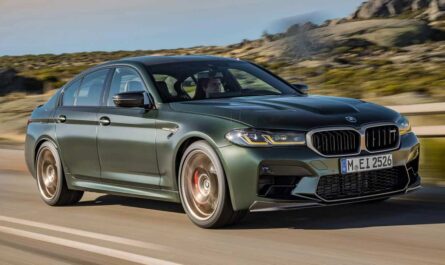
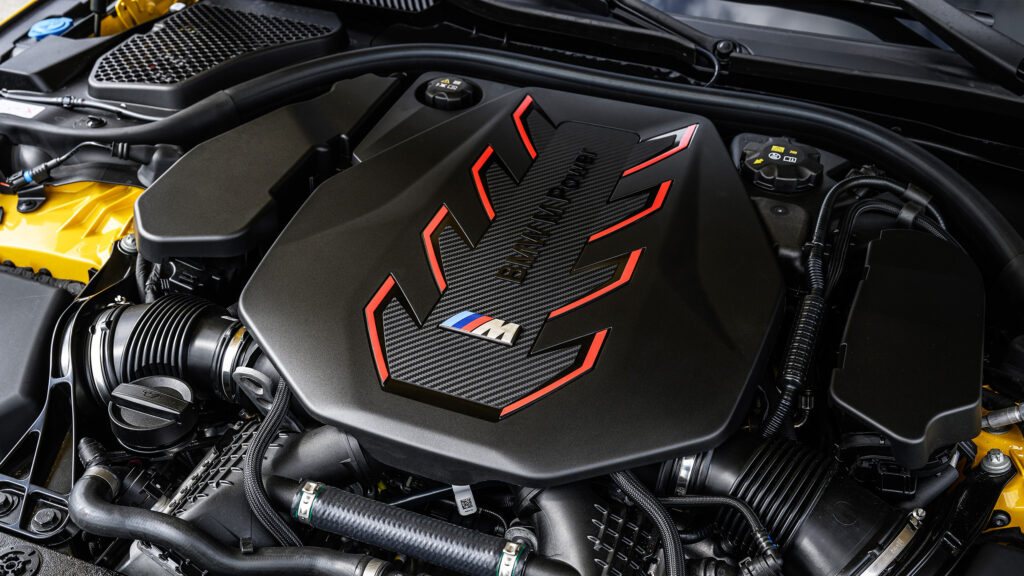
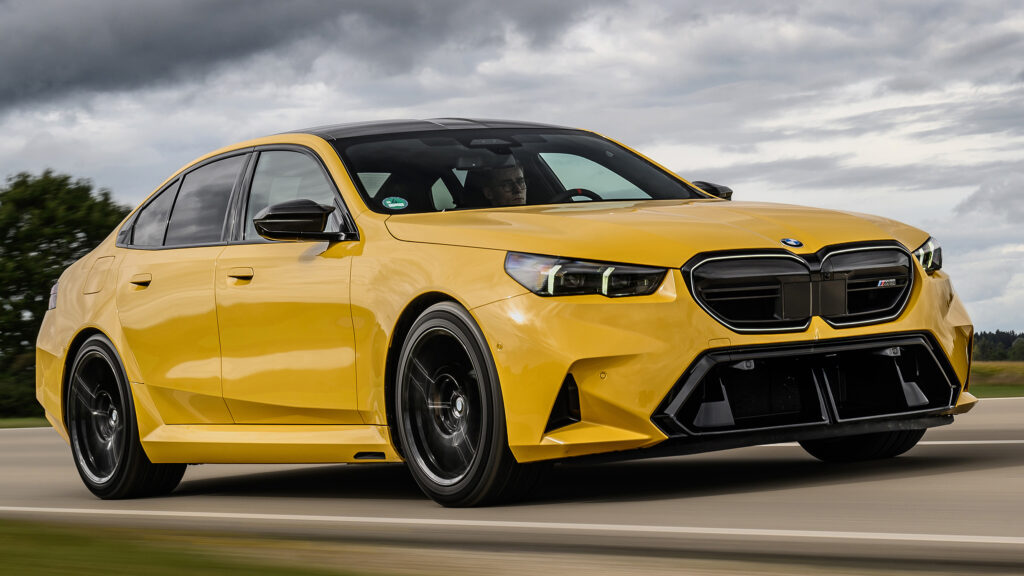
by The new BMW M5 and its SUV sibling, the XM Label, are losing 40 horsepower from their 4.4-liter V8 engine due to the implementation of the new Euro-7 emission standards. These changes come into effect this spring and apply not only to EU countries but also to other states that adhere to European environmental regulations.
Technical Changes to the Engine
BMW engineers are making a number of modifications to the S68 engine, including:
This cycle, unlike the traditional Otto cycle, involves keeping the intake valves open longer for a slightly shorter compression stroke, which improves fuel economy. However, as a consequence, the power of the bi-turbo V8 drops from 577 hp to 537 hp. Data regarding torque, which was previously 750 Nm, has not yet been disclosed.
Compensation by the Hybrid System
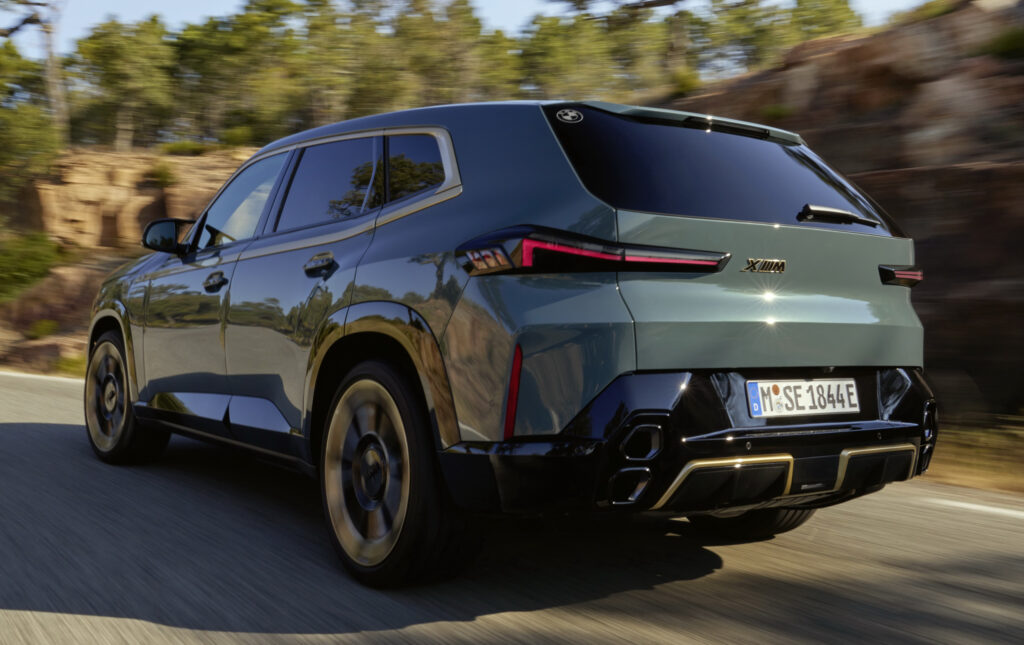
Despite the loss of internal combustion engine power, the total system output of the M5 remains at 717 hp, and the XM Label at 738 hp. This was achieved not through hardware changes in the electric part of the hybrid powertrain, but through software optimization of the electric drive. BMW has not yet provided updated acceleration performance data for the cars.
Euro-7 Standard Requirements
Despite the Euro-7 standard requirements being softened after lobbying by automakers, they are still stricter than the previous Euro-6 norms. The new rules involve testing cars in a wider temperature range, a longer period of maintaining low emissions, and for the first time include measuring particles from brakes and tires.
Expected Facelift
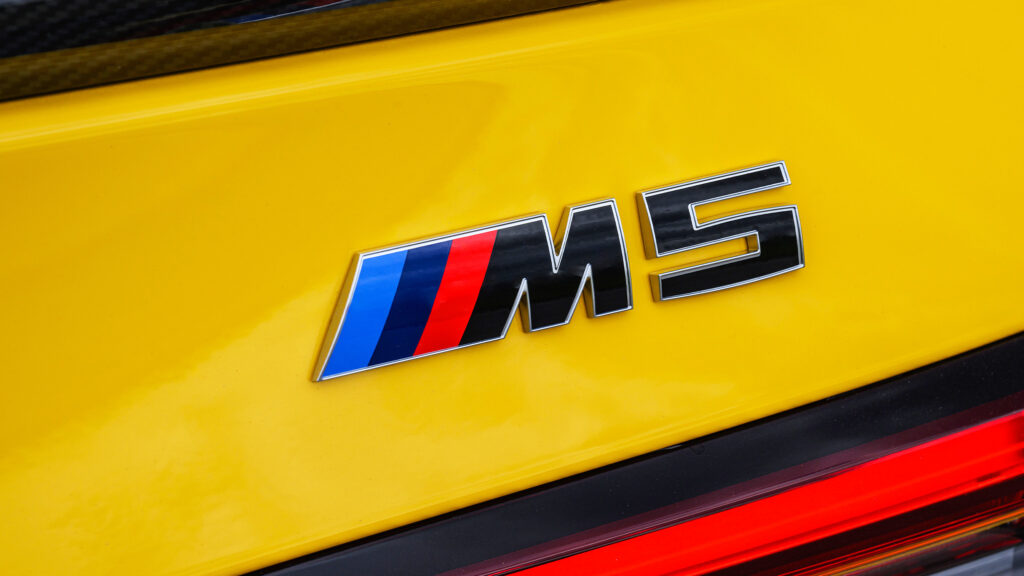
It is known that BMW is preparing visual updates for the M5 to align its design with the electric Neue Klasse iX3 crossover. These changes are expected to debut in the 2027 model year. However, starting from February, all BMW models will receive the new hood emblem from the iX3, and M-series cars will receive updated brand insignia.
This situation with the BMW M5 clearly demonstrates how automakers are balancing between the power their models are famous for and increasingly stringent environmental requirements. The switch to the Miller cycle is a technical compromise aimed at reducing emissions. Interestingly, the total power remains unchanged thanks to intelligent management of the hybrid system, which could become a trend for other powerful hybrids in the future. The question is how these software adjustments will affect the car’s real-world behavior on the road and the durability of components. Further tests and owner feedback will provide a more complete picture.