


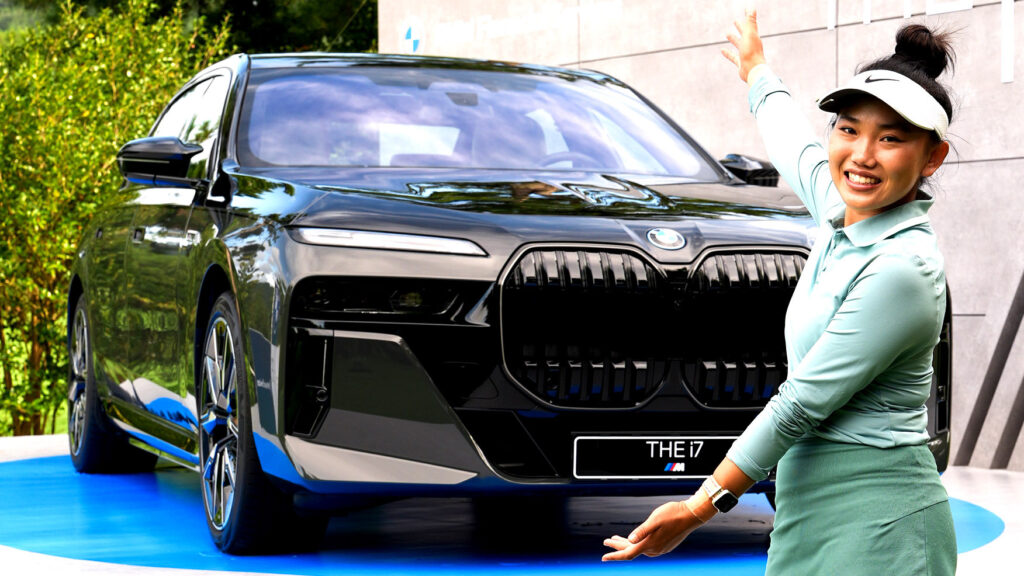
BMW Cuts Prices in China
Price reductions for cars in China have ceased to be the exclusive strategy of local manufacturers. Western automotive giants are also actively joining this battle for customers. At the end of January, BMW announced a large-scale price reduction for 31 models in its Chinese portfolio. This step underscores the brand’s aggressive efforts to maintain competitiveness in the world’s largest automotive market, where competition is only intensifying.
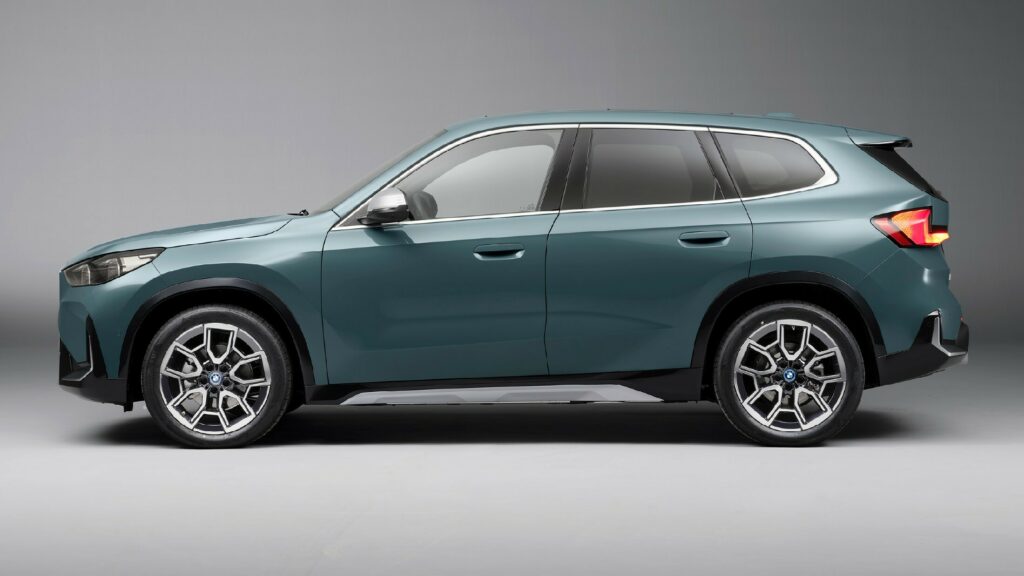
The biggest reduction in monetary equivalent was for the electric flagship BMW i7 M70L. This high-performance sedan version with two engines producing 659 horsepower now costs 301,000 yuan (approximately $42,000 USD) less. However, the largest percentage discount was received by the compact crossover iX1 eDrive25L in the long-wheelbase version – its price dropped by 24%, to the mark of 228,000 yuan.
BMW representatives commented to Bloomberg that the price changes are part of regular “routine pricing,” and final transaction prices are independently negotiated and determined by authorized dealers and customers.
Reasons and Context for the Discounts
However, the timing of these changes points to more serious reasons than just a planned adjustment. According to the China Passenger Car Association, November was the second consecutive month of declining sales in the country. This trend has forced many automakers to review their pricing policies. At the same time, Chinese regulators are taking measures aimed at preventing excessive dumping, prohibiting sales below cost and certain dealer incentives.

Experts note that BMW’s new official prices most likely only legalize the levels at which deals with dealers were actually taking place previously. Yale Zhang, managing director of Automotive Foresight, noted that the updated price tags largely reflect existing deal norms rather than undermining them.
Ongoing Trend and Regulators’ Concerns
The wave of discounts is expected to intensify ahead of the Chinese New Year in February, as manufacturers try to secure good sales for the start of the first quarter. At least 14 automotive brands have already introduced various discount or incentive programs since the beginning of 2026.

Yale Zhang believes that various promotional activities may intensify or weaken in the market, but they have become a permanent phenomenon, reflecting broader pressure within the market.
Chinese authorities, in turn, view this trend with caution. Regulators are increasingly concerned about the potential consequences of a prolonged period of discounts. The main fear is that it could trigger deflationary processes, disrupt the stability of the automotive supply chain, and create downward pressure on wages in the industry.

The situation in the Chinese auto market continues to change dynamically, posing complex challenges for global manufacturers. The actions of BMW and other brands show that brand and technology alone are no longer enough to maintain positions – flexible pricing policy is becoming a key factor. However, this battle for the buyer through price reductions is unfolding against a backdrop of broader economic risks, attracting close attention from the state, which is trying to find a balance between healthy competition and macroeconomic stability. The future will show whether manufacturers will be able to find a sustainable business model under these conditions, or whether pressure on margins will only increase.