


Chery creates Emta joint venture to sell electric vehicles in Japan
Chinese automaker Chery, which has shown impressive global expansion in recent years, has decided to enter the Japanese kei-car segment. The company has become a participant in a newly established joint venture focused on producing electric vehicles.
Singapore-based firm EMT (Electric Mobility Technology) is a multi-party alliance that distributes shares among Chinese automakers Chery Automobile and Jiangsu Yueda Automobile Group, Japanese retail company Autobacs Seven, Chinese battery manufacturer Gotion, and Japanese industrial painting firm Anest Iwata. The joint venture will operate under the brand Emta, which stands for Easy, Made To All.
First model and future plans
According to Car News China, the Emta management team includes specialists with experience at Honda, Mazda, and Nissan. Xiaoqing He, who previously held leadership positions at Changan Ford, SAIC, and Chery, has been appointed CEO.
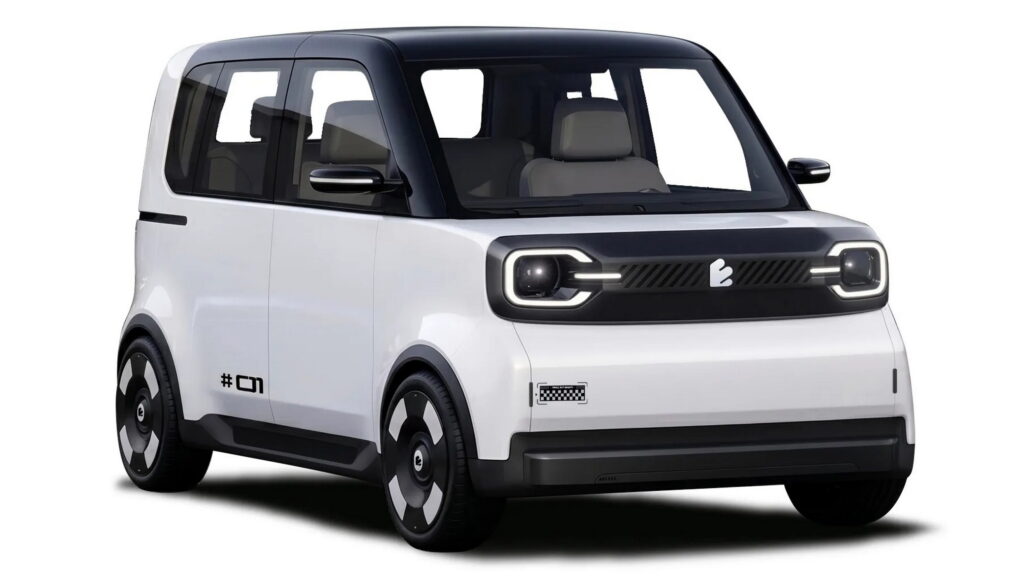
The first model will be the Emta #01 — a tiny electric hatchback, whose production debut is planned for the second half of 2027. The electric car features an angular silhouette, clean body surfaces, and a front end reminiscent of Suzuki, with modern LED headlights integrated into the closed grille. The vehicle will also have rear sliding doors for convenient access to the cabin.
Emta #01 has a length of 3.4 meters, similar to Chinese microcars such as the Chery QQ Ice Cream. Technical specifications are still kept secret, but the model will be based on a Chery platform, likely with a battery from Gotion. The car is expected to feature modern infotainment systems and connectivity technologies, as well as a Level 2 ADAS driver assistance system.
Production and pricing strategy
Production of the electric vehicle will take place in China, while Autobacs Seven will be responsible for sales in Japan. Emta plans to offer the car at an affordable price, comparable to gasoline-powered kei-cars. When the model arrives next year, the Emta #1 will become the second kei-car of Chinese origin after the BYD Racco.
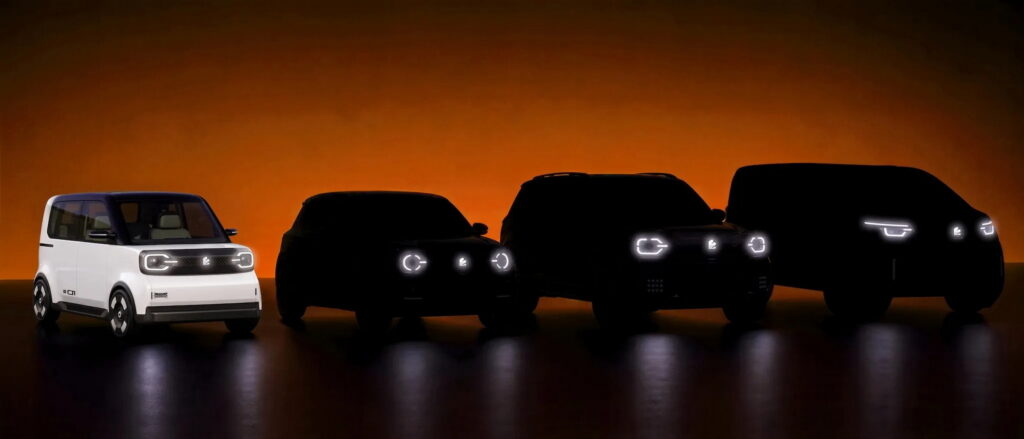
After the launch in 2027, Emta plans to expand its lineup with three more electric vehicles by 2029. An official teaser hints at a small hatchback, a compact crossover, and a minivan. The long-term goal is to establish a factory in Japan after 2030 if sales targets are achieved.

EMTA
Chery’s move demonstrates the strategic desire of Chinese manufacturers to penetrate even the most closed and specific automotive markets, such as the Japanese kei-car segment. Cooperation with local players, particularly Autobacs Seven, indicates a deep understanding of the need to adapt to local conditions and distribution. It is worth noting that Emta’s success will depend not only on price but also on the ability to offer quality and service that meet the high standards of Japanese consumers, accustomed to the reliability of local brands. If plans for localizing production after 2030 materialize, it will send a powerful signal about the changing global automotive landscape.