


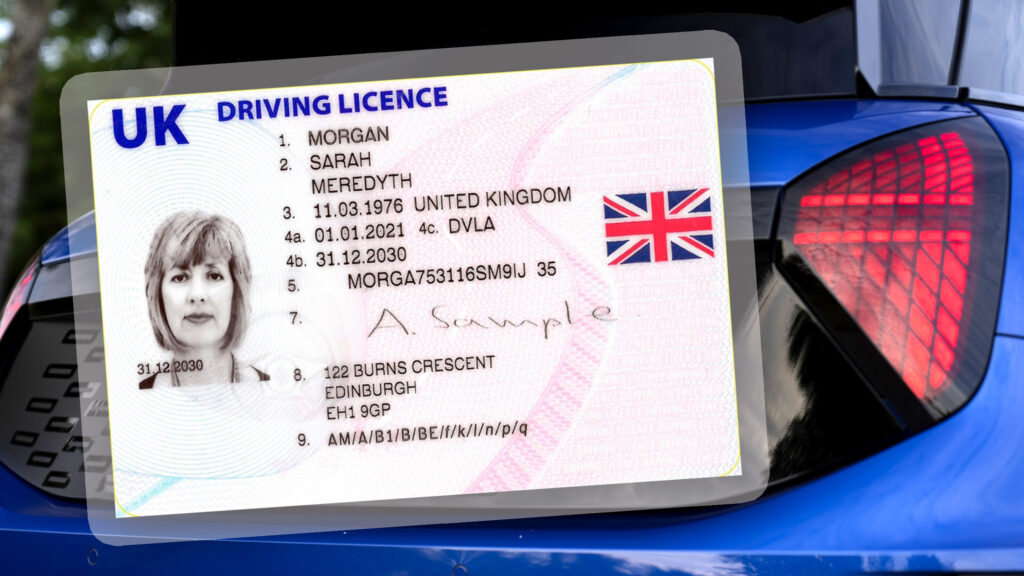
The Situation with Driving Tests in the UK
Obtaining a driver’s license in the UK is becoming increasingly difficult, and thousands of candidates are resorting to fraud to get behind the wheel. Long waiting lists and high exam requirements create pressure that forces people to take risky steps.
The Scale of the Problem
According to the Driver and Vehicle Standards Agency (DVSA), in the year to September 2025, nearly 2,900 attempts to cheat during tests were recorded in England, Scotland, and Wales. This is a 47% increase compared to the previous 12 months. Authorities note that fraud methods are becoming more sophisticated, but detection systems are also improving.
Modern and Classic Cheating Methods
The most common method is the use of technology. While phones are prohibited during the theory test, in over 1,100 cases offenders used Bluetooth headphones secretly connected to a phone, allowing a third party to whisper answers.
Others resorted to a classic approach and simply sent someone else to take the test in their place. Over 1,000 attempts at identity fraud on theory tests and nearly 650 on practical tests were recorded.
Motivation and Consequences
People are literally paying strangers to impersonate them. UK court cases have shown that impersonators can receive up to £2,000 for a successful pass, explaining why some offenders did this repeatedly. Kuneine Khan from Birmingham received an eight-month prison sentence after pleading guilty to impersonating learners twelve times at theory test centers.
Safety Threat
Authorities and safety experts are concerned, and not without reason. Obtaining a license without proper driving knowledge and skills endangers all road users. More accidents, insurance problems, injuries, and worse are all possible consequences when unprepared drivers get their licenses.
And while authorities managed to detect nearly 3,000 people who cheated over the past year using metal detectors, more thorough checks of license photos, and requests to roll up sleeves to search for devices, the question arises of how many more offenders remain undetected.
Reasons for Long Waiting Times
The theory test, which includes multiple-choice questions and a series of videos where the candidate must click when recognizing a hazard, is known for its difficulty. Some people need dozens of attempts to pass it. However, another problem is the long waiting times for a test slot.
This is a consequence of disruptions caused by the pandemic, a shortage of examiners, as well as bots on third-party booking sites straining the system to its limits. The government now acknowledges that the backlog may not clear until the end of 2027, and learner drivers are unwilling to wait that long to get on the road.
This crisis in the driver training and certification system points to a deeper systemic issue that goes beyond a simple shortage of examiners. Socio-economic pressure, the desire for faster mobility and access to work create a powerful incentive to bypass the rules. The long-term consequences could be serious: increased test control and security could further lengthen waiting lists, while relaxing requirements could increase accident rates. Solutions likely lie in a comprehensive approach: mass recruitment and training of examiners, reform of the testing process with a focus on practical skills, and combating illegal booking services. Until the system is reformed, the risk of drivers who bought their licenses appearing on the roads will remain a real threat to everyone.