


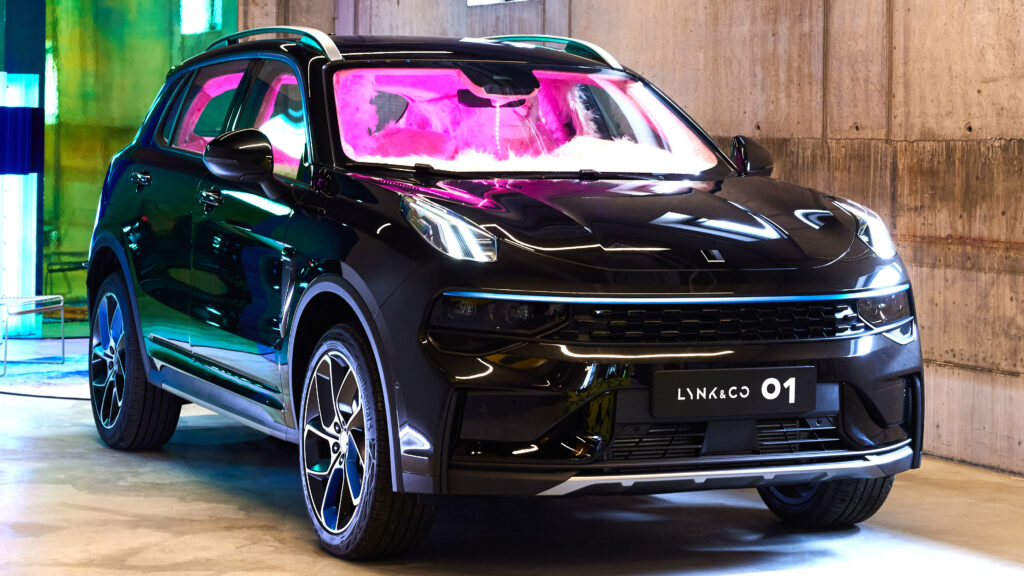
Chinese automakers face significant difficulties when entering established European markets, particularly in Germany. Despite their technical achievements, the main challenge for them remains low brand recognition among local buyers.
Brand Recognition Survey Results
A recent survey among German consumers revealed a huge gap in familiarity with various Chinese brands. Most new players remain practically unknown.
A similar situation is observed with the Leapmotor brand, which is also known by only 11 percent of respondents.
The Cost of Conquering the Market
Experts emphasize that for a new automaker to establish itself in a market like Germany’s, colossal investments are needed. Marketing professor Martin Fassnacht notes that companies may need hundreds of millions of euros over the first five years of operation in the country. Over a ten-year period, this amount could reach a billion euros, and even such expenses do not guarantee success.

The Role of Marketing and Sponsorship
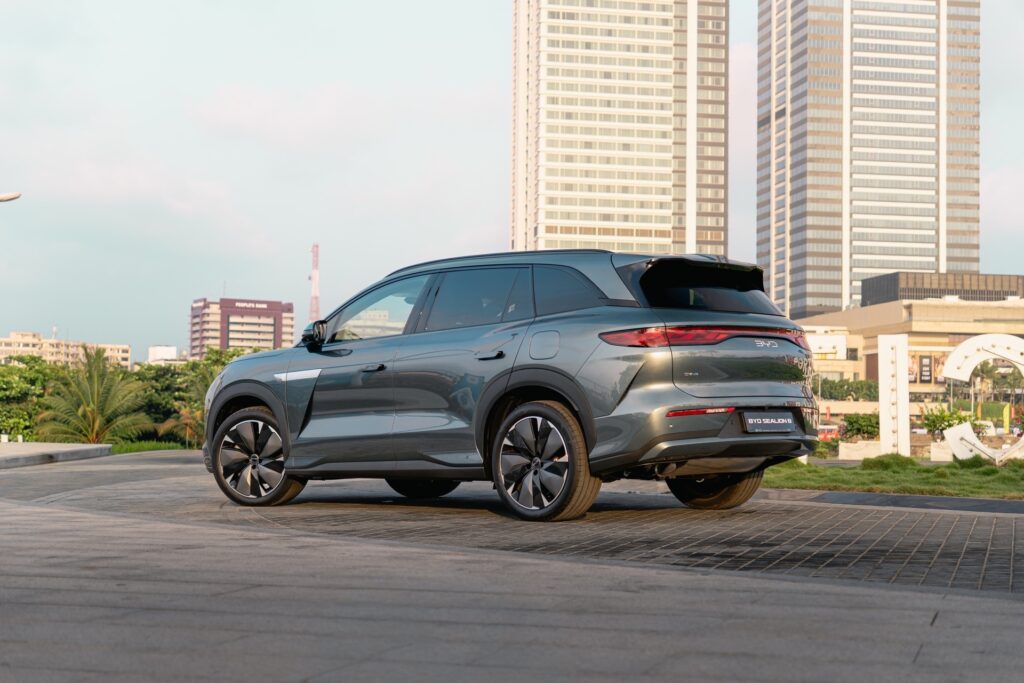
Among the Chinese brands currently sold in Germany, BYD has made the most progress. Its high recognition has been significantly aided by its sponsorship of the UEFA European Football Championship. Another brand, MG, also outperforms most competitors with a recognition level of 26 percent.
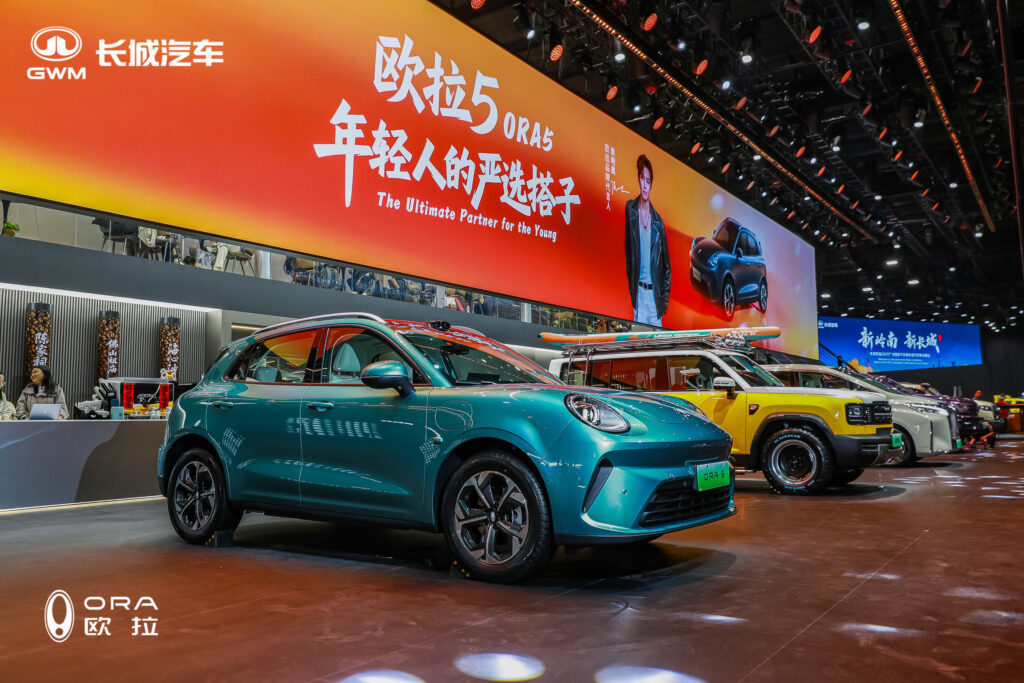
New marketing campaigns will become key for those brands that want to establish themselves in the largest European car market. Great Wall Motor plans a large-scale promotion of its Ora and Wey brands, and Changan is also investing millions in its own media campaign.

Price Competition and Future Challenges
However, brand recognition is only part of the equation. Martin Fassnacht adds that new market entrants also need to compete aggressively on price to gain traction. Currently, many of their models are priced too high, especially compared to how affordable they often are in China itself.
The situation in Germany clearly demonstrates that a saturated and conservative market can be an extremely difficult target for new players, even if they offer technically sophisticated products. Success requires not only a quality product but also long-term strategic work to build trust and recognition, which takes time and enormous financial resources. The experience of Lynk & Co, which barely reached 11% recognition in five years, is a warning to others. Chinese manufacturers may have to revise their pricing strategies for the European market to compensate for the currently low brand loyalty and accelerate the process of familiarizing consumers with their products.