


Violations at Factory Construction
BYD sells more electric cars than any other automaker in the world, but the Brazilian government does not approve of some methods the company used to achieve this success. The country’s legislators have just added the Chinese automaker to the so-called “dirty list” due to harsh treatment of workers.
The issue concerns not the people who manufacture BYD cars in Brazil, but those who built the factory in Camaçari. A group of 163 Chinese workers, hired by contractor Jinjiang Group, allegedly faced conditions more reminiscent of the 19th century than modern construction.
Living and Working Conditions
Investigators found that workers lived in overcrowded housing where dozens of people shared limited bathrooms, and basic amenities were lacking. During one raid, 31 workers were found in a single house with only one bathroom.
In one raid, 31 workers were found in a single house with only one bathroom.
Reports also indicate that workers’ passports were confiscated, and part of their salaries never reached them, being redirected to China. They even had to pay a $900 deposit just to start work, which was only returned after six months on the site.
Company Responsibility
BYD blamed the contractor

The 2024 scandal raised serious questions about how closely BYD monitored what was happening on its own project. The company stated it was unaware of any violations until the situation became public, but Brazilian authorities do not accept the idea that responsibility lies solely with the contractor.
Officials argue that if your name is on the factory, the responsibility lies with you, even if someone else handled the hiring. This stance has now led to BYD being officially added to a government registry intended for companies associated with gross violations of labor practices.
Business Consequences
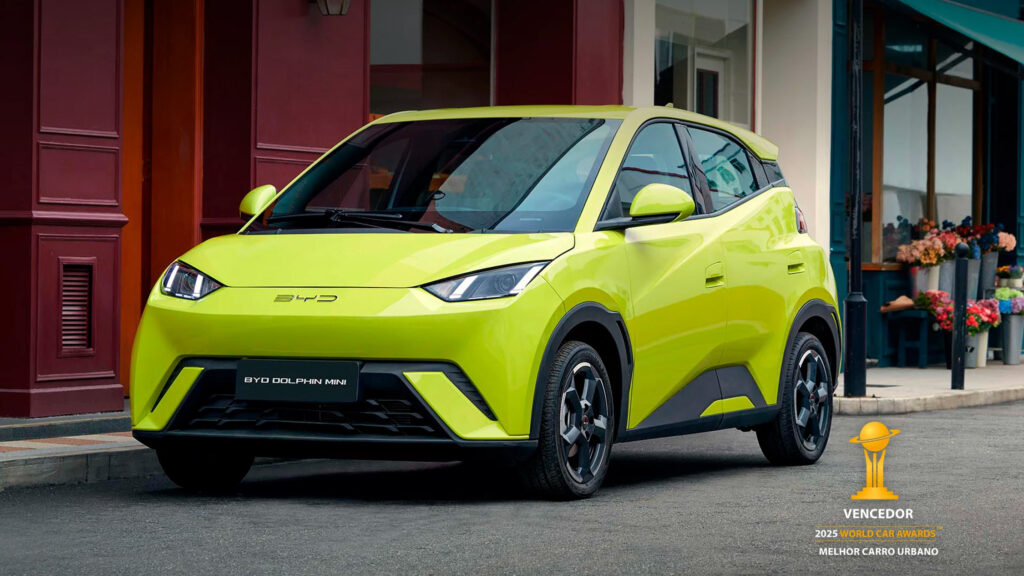
Being on this list is not just a bad reputation. It can also restrict access to certain financial support from Brazilian institutions, which could complicate future expansion plans in BYD’s largest market after its home country. However, since the ability to produce and sell cars, such as the Dolphin Mini assembled in Camaçari (known as Seagull in China and Dolphin Surf in Europe), has not been affected, BYD will remain a serious competitor for all other brands operating in the region.
This situation in Brazil occurs against the backdrop of BYD’s global expansion and increased scrutiny of corporate social responsibility practices, especially concerning supply chains and construction projects. The incident could have implications for Brazil-China investment relations, as the country seeks to attract foreign capital while protecting workers’ rights. For local consumers, the availability of affordable electric cars will likely remain a priority, but reputational risks for the brand could affect long-term trust if corrective measures are not taken.