


Chinese Auto Giant BYD Files Lawsuit Against US Officials
The Chinese manufacturer BYD, which has rapidly expanded its presence in global markets and become one of the world’s automotive industry leaders, still cannot enter the second-largest new car market – the USA. The main obstacle is import duties, but the company has begun active resistance.
Four American subsidiaries of BYD have filed a lawsuit against the US federal government, aiming to establish themselves in the market with their passenger cars. The case is being considered in the US Court of International Trade and challenges tariffs imposed under the International Emergency Economic Powers Act.
Who Are the Defendants in the Case
The lawsuit involves not only the federal government but also officials from the Department of Homeland Security, Customs and Border Protection, the Office of the US Trade Representative, and the Department of the Treasury. BYD claims that these bodies exceeded the authority granted to them by law, and therefore the tariff orders are legally invalid.
Which Specific Tariffs Are Being Challenged
The lawsuit focuses on nine executive orders and amendments issued since February 2025. Among them are duties at the borders with Mexico and Canada, as well as tariffs targeting China and related to fentanyl. The company demands a permanent injunction against these measures, as well as the return of all collected funds with interest and legal costs.
Although the attempt to cancel tariffs may seem unlikely, BYD has a precedent. The lawsuit mentions the case of New York wine importer V.O.S. Selections, which won a court case against the US government, proving that even under IEEPA, the president does not have the authority to impose such duties.
BYD Already Has Production in the USA
Many American consumers may be surprised, but BYD already has a manufacturing presence in the United States. Its 550,000-square-foot production complex in Lancaster, California, produces hundreds of electric buses and employs about 500 workers.
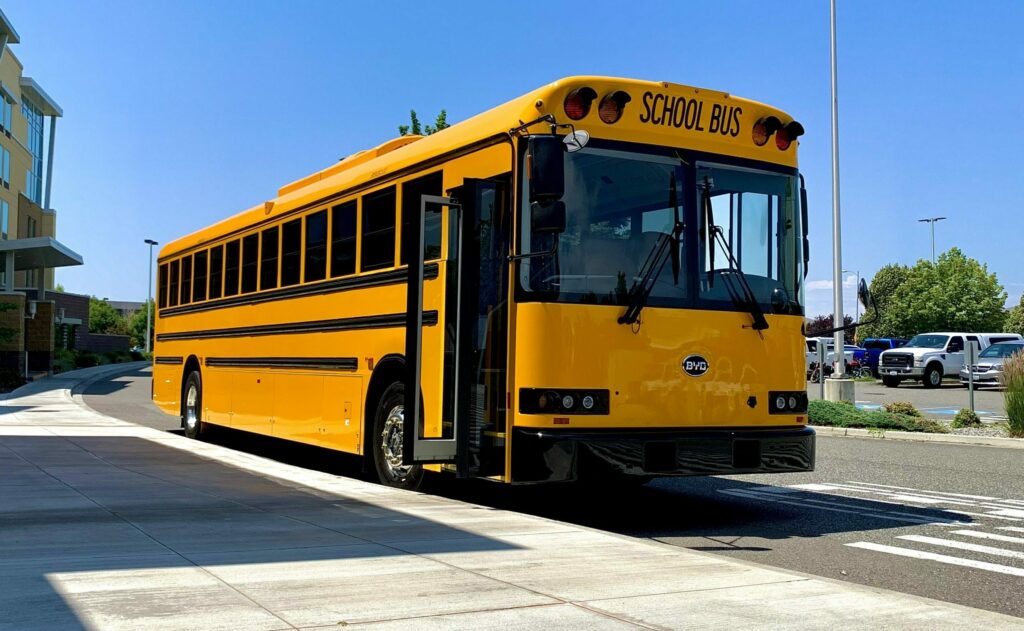

Repealing the tariffs would not only help this enterprise but would also open a path for BYD to sell passenger cars in the USA, possibly importing them from plants in Canada and Mexico.
Possible Consequences and Reaction
Sun Xiaohong, Secretary of the Automotive Section of the China Chamber of Commerce for Import and Export of Machinery and Electronic Products, noted that BYD’s actions align with the trend where companies are increasingly using legal channels to protect their legitimate interests.
Despite the legal complexities, this case could set an important precedent for other Chinese companies wishing to defend their rights through official channels. He also believes that allowing automakers like BYD could benefit American buyers by adding more affordable electric vehicle options to a market where competition is only intensifying.
This lawsuit is taking place against the backdrop of a general cooling of the electric vehicle boom in China, which even the biggest players are feeling. BYD’s success in this case could significantly change the balance of power in the American auto market by introducing a new powerful competitor. At the same time, it could trigger a wave of similar lawsuits from other companies also suffering from trade restrictions. The question of balancing the protection of national producers and free trade remains extremely relevant, and the court’s decision in the BYD case could set the tone for future trade relations.