



Against the backdrop of many automakers gradually scaling back aggressive electric vehicle plans, Toyota is taking the opposite step. The company is doubling down on its zero-emission efforts in North America, betting that more Americans are ready to switch to electric transportation, even after the cancellation of tax credits and other incentives last year.
A Plan for Seven Electric Models
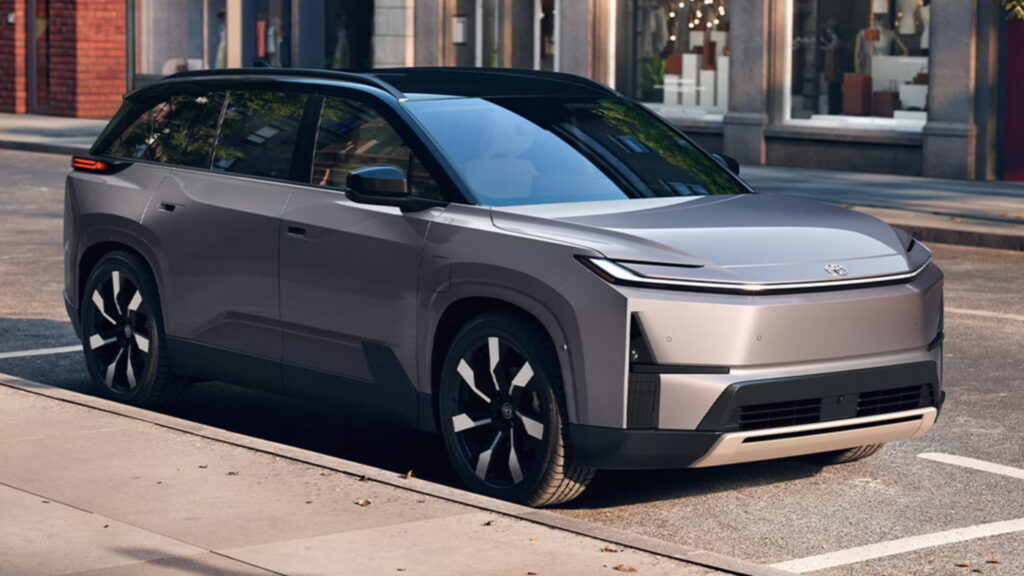
By 2027, Toyota plans to offer seven fully electric models on the American market. Among them will be an electric version of the Highlander, as well as another SUV whose name remains a mystery for now. Both will be manufactured in the USA.
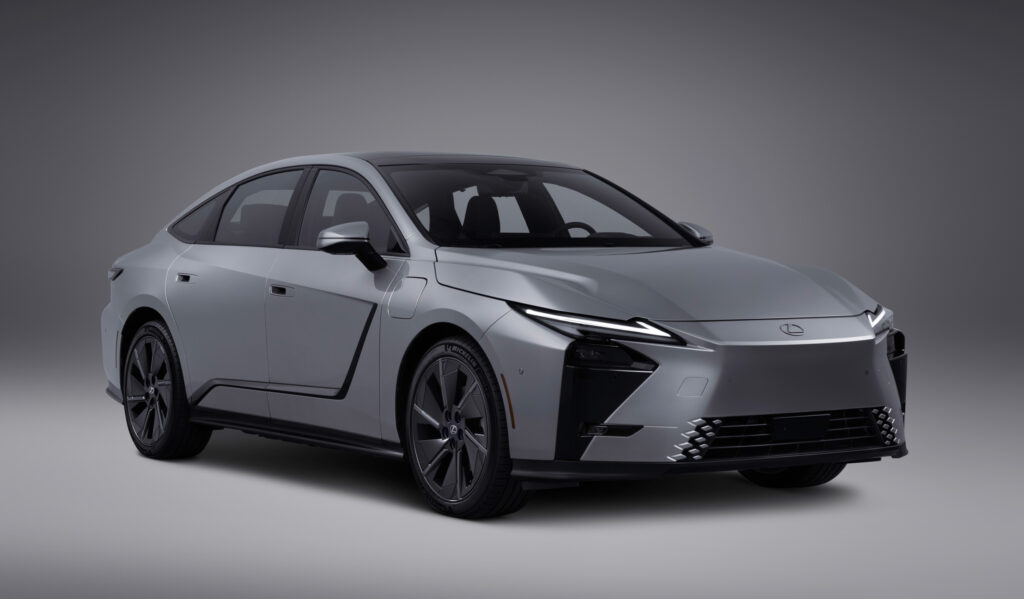
Currently, the Japanese automaker’s electric lineup in North America consists of four models, all of which are imported. This group includes the Toyota bZ, bZ Woodland, C-HR, and Lexus RZ. The fully electric Lexus ES sedan is set to appear this month, and the anticipated electric Toyota Highlander for the 2027 model year is planned for the end of 2026.

A Turning Point for the Brand
The Highlander EV will be a turning point for the brand. It will be the first electric Toyota manufactured in North America: it will be assembled in Kentucky, with batteries supplied from North Carolina. However, this is only the first step in Toyota’s U.S. EV strategy.
According to reports, a second U.S.-manufactured electric vehicle is already in development and will also be an SUV. Details are still limited, including its size and place in the model lineup, but production is also planned in Kentucky with a launch in 2027.
Mark Templin, Executive Vice President and Chief Operating Officer of Toyota Motor North America, states that the company plans to give buyers “multiple options.” The idea is quite simple: if Toyota can secure 15% of the overall U.S. market, it should be able to achieve a similar share in the electric vehicle market.

The Goal – “Tesla Beaters”
He also explained the target audience for the future electric vehicles, calling them “Tesla beaters.” In his opinion, the target group is well-known.
“We’ll probably see what I call boomerang customers, people who loved the Prius for being the greenest car in the industry, who maybe moved to a Tesla – and then we bring those people back. Two weeks ago in Japan, I drove three of our future battery electric vehicles. They are fantastic. And I think they will be Tesla beaters.”
Recovery After a Tough Start
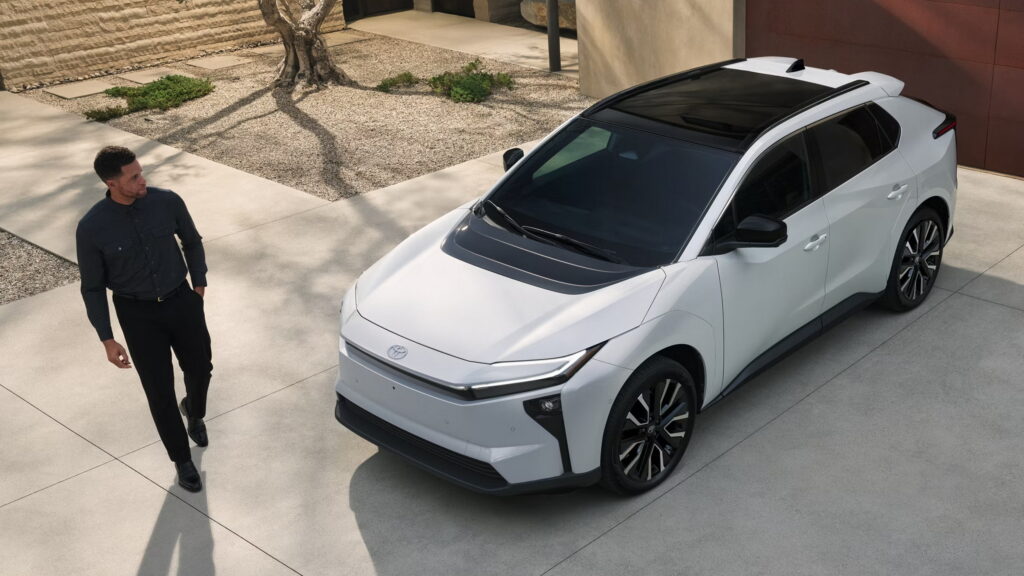
Toyota’s first attempt in the world of electric vehicles was not ideal. The bZ4X model debuted rather quietly, but now the situation is starting to look promising. The updated bZ and related Lexus RZ are finally gaining momentum: deliveries more than doubled in March 2026.
The numbers speak for themselves: bZ sales reached 10,029 units in the first quarter of 2026, compared to 5,610 a year earlier, representing growth of approximately 79%. Over the same period, Prius sales fell to 9,737 from 16,653, a drop of about 42%. This was enough for the bZ to overtake the Prius year-to-date, showing how quickly things can change.

Hybrids Remain Kings
Nevertheless, hybrids continue to play an important role. In March 2026, they accounted for 55% of Toyota’s sales in North America, compared to 49% a year earlier. And this figure likely doesn’t tell the whole story, as many buyers are still on waiting lists, despite factories operating at full capacity.
Toyota is well aware of where its strength lies. The company has allocated $10 billion for its U.S. operations in the coming years, including $1 billion for expanding plants in Kentucky and Indiana. Electric vehicles are part of the plan, but hybrids remain the safe bet that ensures stable sales.
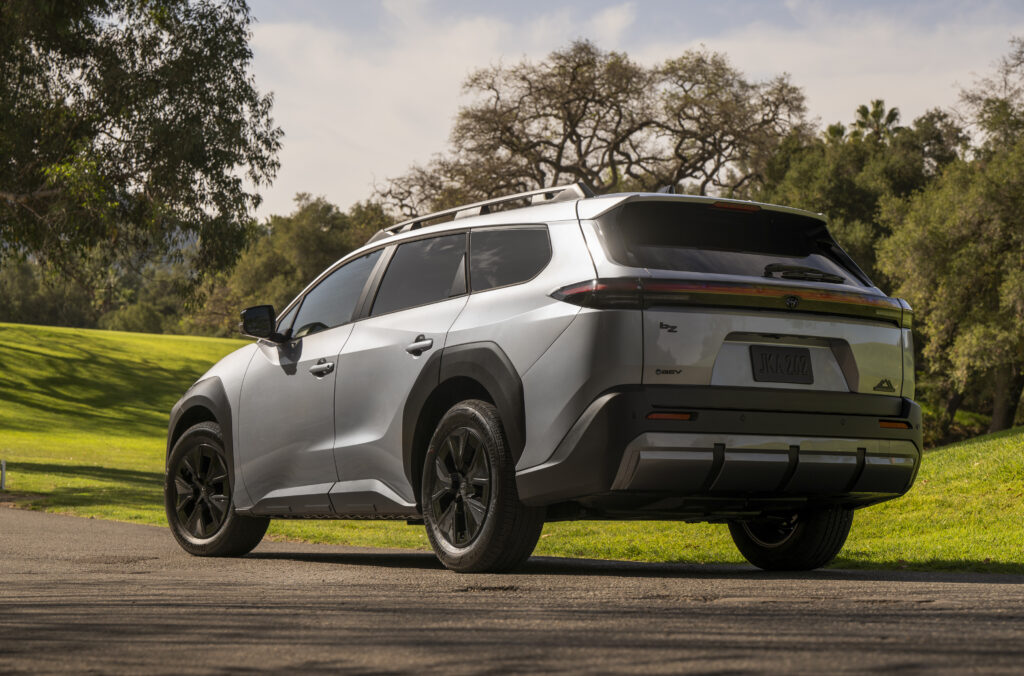

Toyota’s strategy demonstrates a flexible two-pronged approach: investing in the future with electric vehicles while maximizing the current success of hybrids. So far, this tactic is working, as evidenced by the growing sales of the electric bZ model. The success of the future “Tesla beaters” will depend not only on their technical specifications but also on the company’s ability to convince former supporters who switched to other brands to return to Toyota. The U.S. electric vehicle market remains dynamic, and the next few years will show whether the company’s bet on simultaneously expanding its electric and hybrid portfolios will pay off.