by
by Ford E-Series Recall Reissue
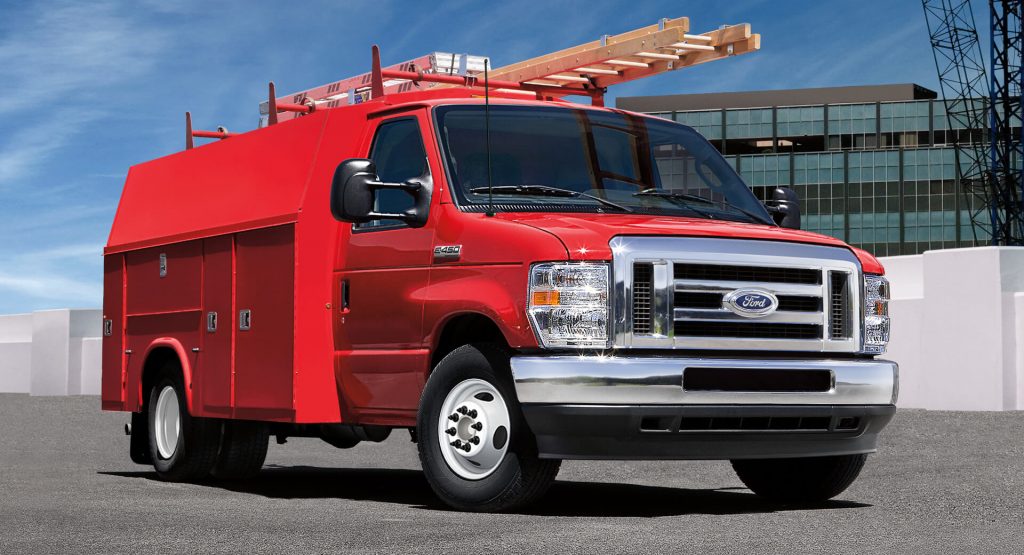
The automaker Ford has announced a re-recall of 7,046 E-Series vans manufactured between 2019 and 2020. This action is a consequence of a failed attempt to fix an engine overheating issue during a previous recall in 2020.
Problem Details
A risk of overheating of certain parts of the engine cover has been identified in thousands of full-size Ford E-Series vans in the United States. This creates a burn risk for the driver and the front-seat passenger. The situation is complicated by the fact that the original fix proposed by Ford was not applied to a significant portion of the vehicles.
According to the company, the design of the engine cover insulation can lead to its corners overheating in the footwell area of the driver and passenger. Direct and prolonged contact with these areas can cause skin burns.
Previous Resolution Attempts
Ford had already recalled these vans earlier, planning to resolve the issue via a software update. Dealers were instructed to recalibrate the powertrain control system to reduce heat buildup during extended idling. However, many vehicles were incorrectly marked as repaired, even though the update was never installed.
Scale of the Re-Recall
The new campaign concerns 7,046 model year 2021 vehicles manufactured from May 23, 2019, to November 12, 2020. According to a filing with the National Highway Traffic Safety Administration, Ford discovered in November of last year that some vehicles marked as repaired had not received the required software update.
Internal Audit Findings
An internal review confirmed that only 69.71% of the involved models had been properly updated, while the rest were mistakenly considered fixed. Fortunately, Ford has not reported any incidents of injuries or accidents related to this issue.
Next Steps
Owners of the affected 2021 E-Series vans will be notified from January 5 to January 9, 2026. Dealerships will once again perform a powertrain calibration to regulate thermal conditions during high idle modes, finally eliminating the problem that was supposed to have been resolved years ago.
This situation highlights the importance of effectively monitoring the implementation of safety measures after a recall is announced. Deficiencies in the repair tracking system can lead to the prolonged existence of risks, even when the manufacturer takes formal action. For vehicle owners, this is also a reminder of the need to check the recall status and ensure that all necessary procedures are performed at certified service centers.