
 by
by The Impact of Tariffs on the Automotive Industry
Nearly a year has passed since U.S. President Donald Trump imposed sweeping tariffs, and the true cost of these measures for the automotive industry is becoming increasingly clear. The financial consequences are no longer theoretical – they are clearly reflected in the financial reports of automakers.
An analysis of the financial statements of major automakers shows that tariffs have already cost the industry at least $35.4 billion. However, this burden is not distributed evenly among companies. For example, Toyota, the world’s largest automaker, expects tariffs to cost it $9.1 billion in the fiscal year 2026, ending March 31.
BMW, Mazda, Mercedes-Benz, Nissan, Honda, Hyundai, Kia, Subaru, and Volkswagen also each expect tariff-related costs of at least $1 billion. At the same time, Ford, General Motors, and Stellantis – the companies the Trump administration likely intended to protect – absorbed a combined blow of $6.5 billion last year.
Rising Prices and Production Shifts
When the new tariffs were first announced, many expected automakers to pass the costs directly to consumers through price increases. However, this largely did not happen. According to expert Sam Fiorani, several brands decided to absorb the additional costs, hoping the tariffs would be temporary.
However, prices are now slowly starting to rise again. Starting in the third quarter of last year, retail prices for cars imported from Canada, Japan, Germany, and Mexico have been rising faster than prices for cars produced in the U.S. In some cases, brands have already begun directly adjusting prices; for example, Porsche has raised prices in the U.S. several times to offset tariff-related costs.
The Broader Context of Changes
Tariffs are not the only factor influencing the situation. The elimination of the $7,500 federal electric vehicle tax credit also undermined demand for EVs in the U.S., forcing automakers to revise product plans and restructure operations at a total cost of over $70 billion.
Simultaneously, the very structure of the tariffs shapes what consumers pay: imported cars from regions such as the EU, Japan, and South Korea face a 15 percent duty, while certain cars from Canada and Mexico may be subject to tariffs on non-U.S. content.
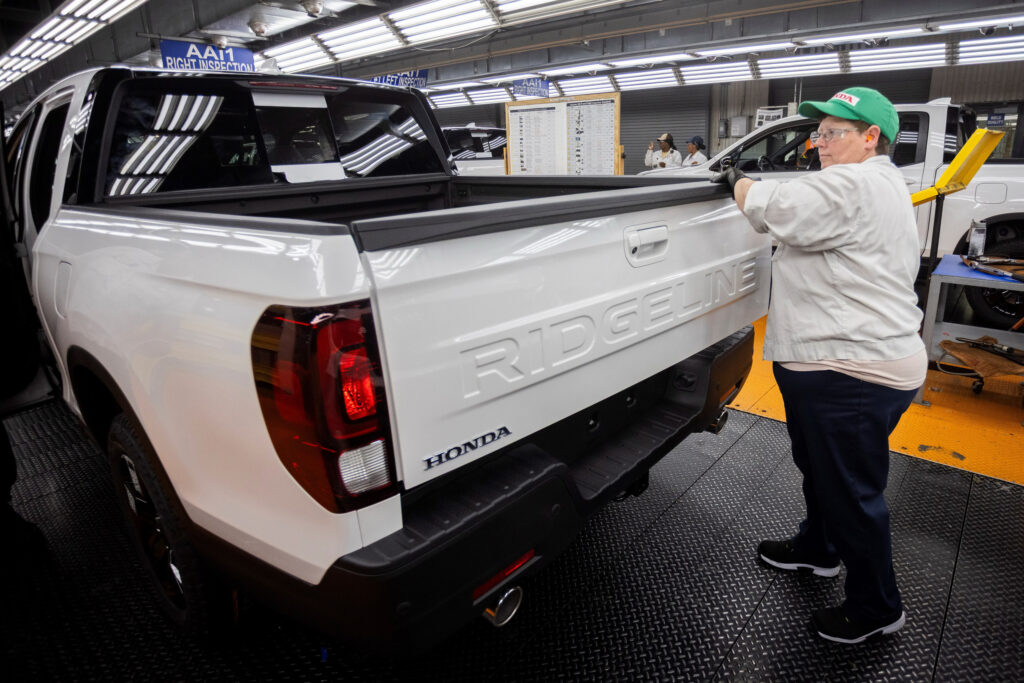
Tariffs have also prompted some automakers to shift production to the U.S. For example, Jeep will build the new Compass in the U.S., not in Ontario, Canada. General Motors also plans to produce the successor to the Envision model in Kansas instead of China. Sales data for the last quarter of 2025 shows that sales of vehicles assembled outside North America decreased by 7.9 percent compared to the previous year.
These changes point to a deeper transformation of global supply chains in the automotive industry. While some manufacturers initially perceived the tariffs as temporary obstacles, the duration of these measures is forcing them to make long-term strategic decisions regarding production localization. This, in turn, could lead to further market consolidation and shifts in consumer demand patterns, as the cost and availability of certain models will directly depend on the geography of their production. The repercussions of these policy decisions will be felt long after the specific tariff rates may change.