


Problems with BYD’s “God’s Eye” System
The Chinese automaker BYD, which has surpassed Tesla in electric vehicle sales volume, is facing a wave of complaints from drivers due to malfunctions in its advanced driver-assistance system called “God’s Eye.” Unlike competitors who make similar technologies optional, BYD installs it as standard on millions of cars in China, leading to the mass discovery of problems.
Scale of Implementation Exposes Flaws
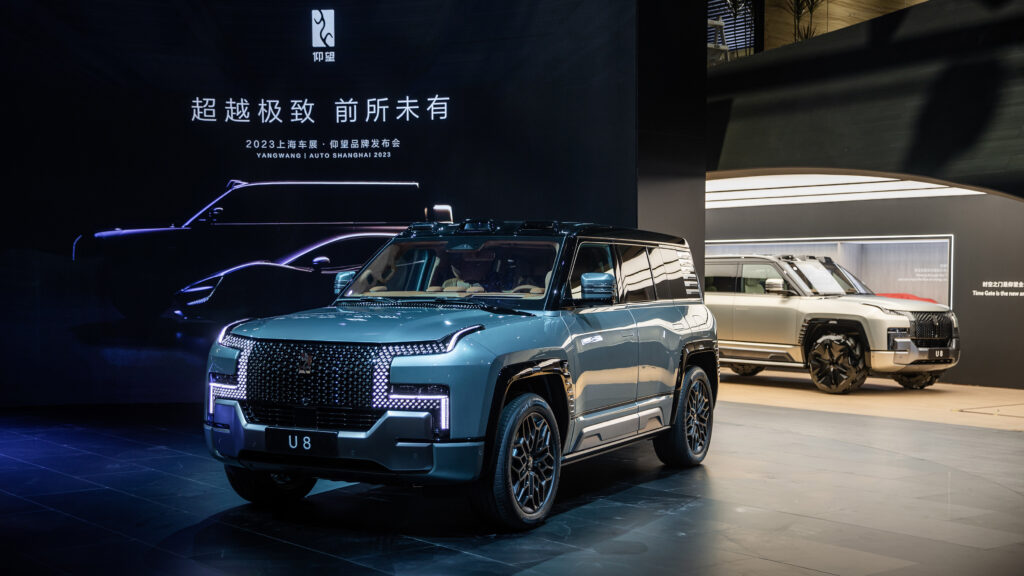
According to a new report, the situation with BYD clearly demonstrates the risks when complex driver-assistance systems are deployed in mass production before the software is fully ready and tested. One owner of the luxury Yangwang U8 SUV, worth about $160,000, reported that instead of cutting-edge technology, he experienced a series of dangerous situations.
In one instance, the SUV allegedly accelerated on its own to highway speed and began drifting towards the shoulder. During another trip, the car suddenly turned the steering wheel, nearly veering into the oncoming traffic lane.
Complaints on Social Media
Distrust in the system is also spilling over into Chinese social media, where drivers describe problems with navigation, missed exits, and unstable vehicle behavior during steering. Analysts believe that part of the problem lies precisely in BYD’s decision to install “God’s Eye” on virtually all models—from budget hatchbacks to luxury SUVs.

Different Approach to Hardware
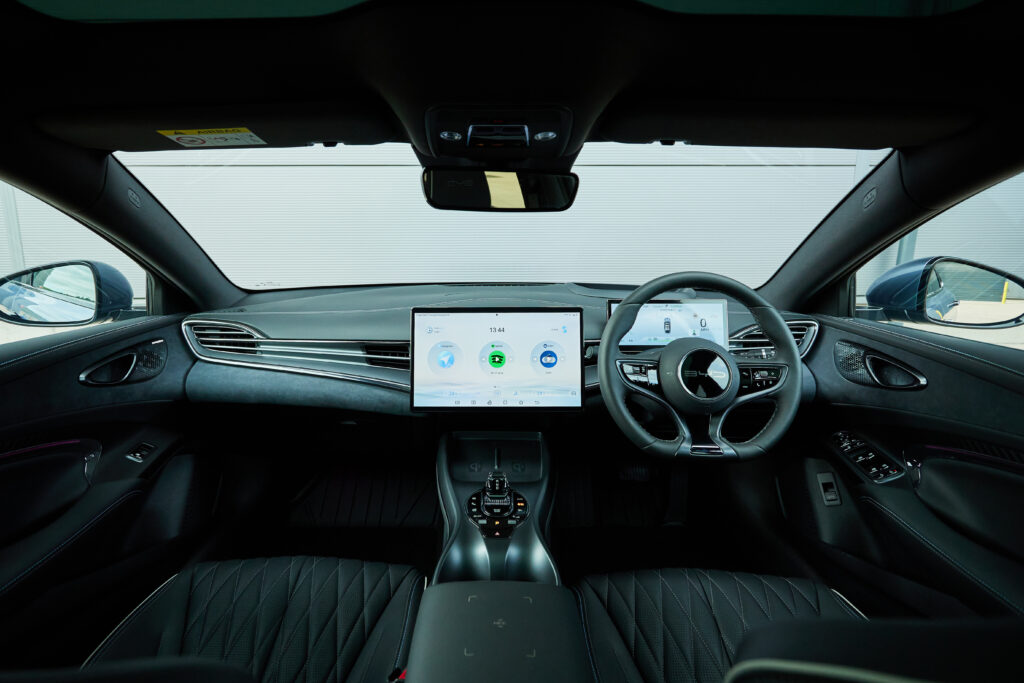
The situation is complicated by the fact that BYD does not use a unified approach to hardware for its system. Unlike most Western automakers, who install the same set of sensors and cameras, BYD uses different configurations: some models have a lidar, while on others the system is based solely on cameras. This complicates the troubleshooting and repair process.
Industry Context and Future
It is important to note that BYD is not the only company facing criticism over autonomous driving systems. Technologies such as Tesla’s Full Self-Driving, Ford’s BlueCruise, and GM’s Super Cruise have also been under investigation following incidents. However, BYD’s aggressive strategy aimed at mass deployment means the “teething problems” of the technology become noticeable much faster. Despite current issues, the race for autonomy in the automotive industry is unlikely to slow down, as consumers and the market continue to demand increasingly advanced safety and comfort features. The long-term success of such initiatives will depend on manufacturers’ ability to find a balance between innovation, safety, and software reliability, especially when scaling to millions of units.