 by
by BYD rapidly transformed into one of the most influential forces in the global automotive industry after the pandemic, swiftly expanding its presence and establishing itself as a dominant player in both electric and hybrid vehicle markets. Its rapid growth has not been without friction, especially in countries where volatile electrification policies continue to create uncertainty.
Statement at the World Economic Forum
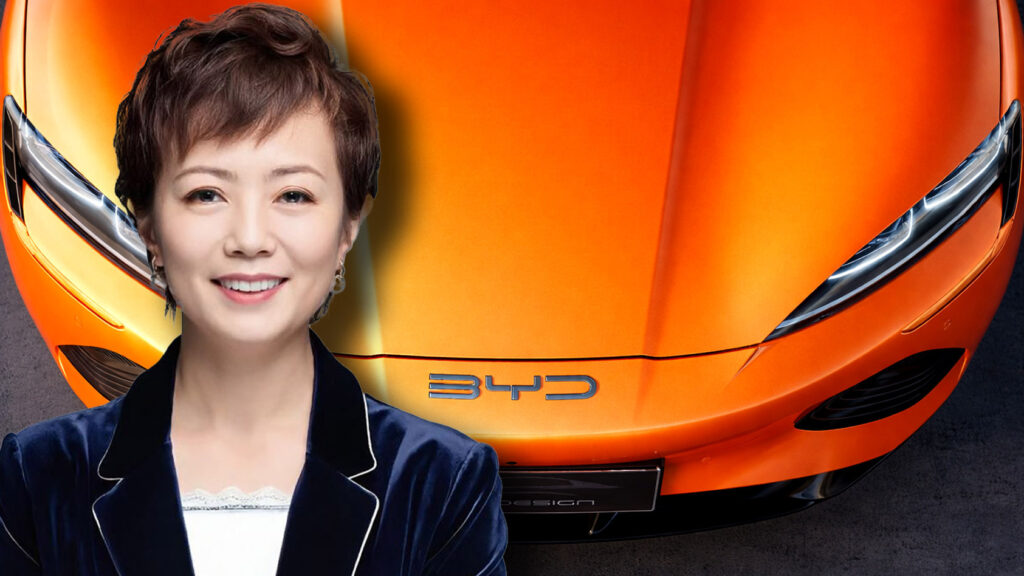
Speaking at the World Economic Forum in Davos, Switzerland, BYD’s Executive Vice President Stella Li pointed out the challenges such policy shifts create for manufacturers.
She believes that constant changes make it difficult for companies like BYD to invest capital or build reliable supply chains. The result, in her opinion, will be a climate that “confuses manufacturers.”
Can Automakers Keep Up?
During a panel discussion, she noted:
“Fluctuating policy at the national level has made it difficult for the industry to fully commit and scale up capacity in the way some Chinese companies have been able to do.”
Stella Li stated that when governments draw a “very clear line” and stick to it, automakers can plan with more confidence. She added that a stable course helps them execute tasks consistently and align their production schedules with long-term goals.
The contrast between the Biden and Trump administrations vividly illustrates how disruptive such fluctuations can be. While BYD has not felt the impact of US policy directly, the European Union’s recent decision to soften a proposed ban on internal combustion engine cars by 2035 could potentially affect the company’s future strategy in the region.

China’s Leadership in the EV Sector
Li emphasized that China continues to lead the global electric vehicle sector. She cited the country’s developed charging infrastructure, rapid technological progress, and high consumer demand as key factors driving adoption.
Former General Motors Chief Economist Elaine Buckberg also supported the need for regulatory stability during the panel discussion. She stressed that predictable incentives play a central role in supporting long-term investments.
“Keeping these incentives stable is a very powerful tool. This is where the US really fell back during the Trump administration,” she said.

BYD’s position points to a broader trend in the global automotive industry, where geopolitical tensions and domestic politics are increasingly intertwined with technological roadmaps. The speed at which China has been able to develop its domestic EV market and create competitive global players is largely tied to sustained and consistent state support programs. This has created an environment where companies could invest with a long-term perspective. In contrast, in many Western countries, electrification debates often revolve around internal combustion engine ban deadlines, while issues of infrastructure, battery raw material availability, and consumer support sometimes take a back seat or remain undefined. This difference in approaches could determine not only the future winners and losers in the market but also impact the pace of the technological transition overall, as investments gravitate towards more predictable jurisdictions.