


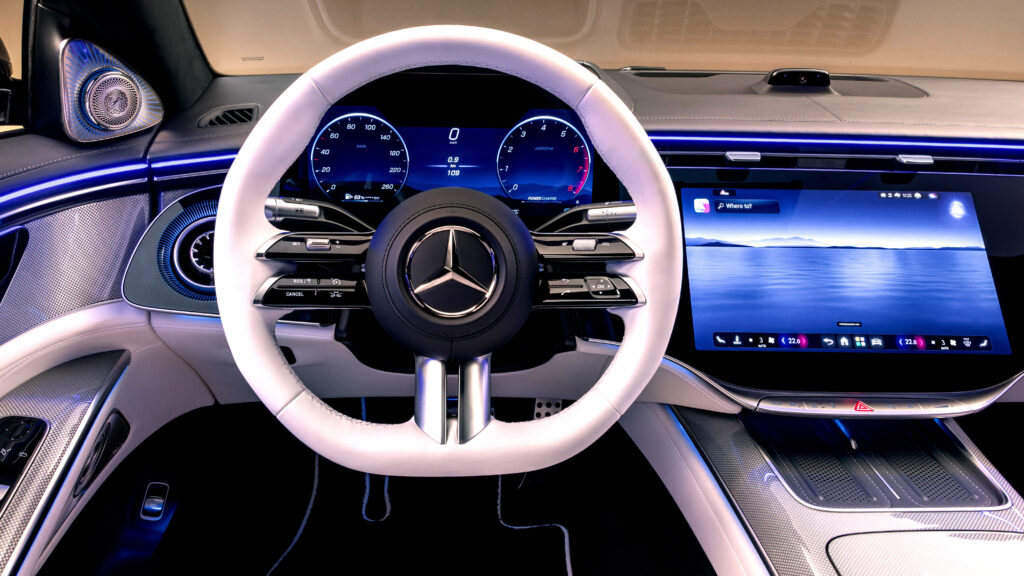
Modern Driver Assistance Systems Require Full Attention
Today’s Level 2 driver assistance systems still require constant human concentration and readiness to take over control. This means that even with adaptive cruise control or lane-keeping assist enabled, the driver cannot be distracted from the road.
The Transition to Full Autonomy is a Leap in Complexity
Achieving Level 4 autonomy, where the car operates completely independently under certain conditions without any human intervention, requires colossal computing power. Unlike current systems that rely on a few cameras and sensors, fully driverless cars must analyze in real-time information from numerous cameras, radars, lidars, detailed maps, and artificial intelligence simultaneously.
Industry Forecast: Cars Will Need Significantly More Memory
During the presentation of the company’s financial results, Micron CEO Sanjay Mehrotra predicted that future generations of Level 4 autonomous vehicles and advanced robots could each require over 300 GB of RAM. This is a huge leap compared to what is used now: modern cars with Level 2 ADAS systems may consume approximately 16 GB.
Reaching L4 autonomy demands huge computing power without any human input.
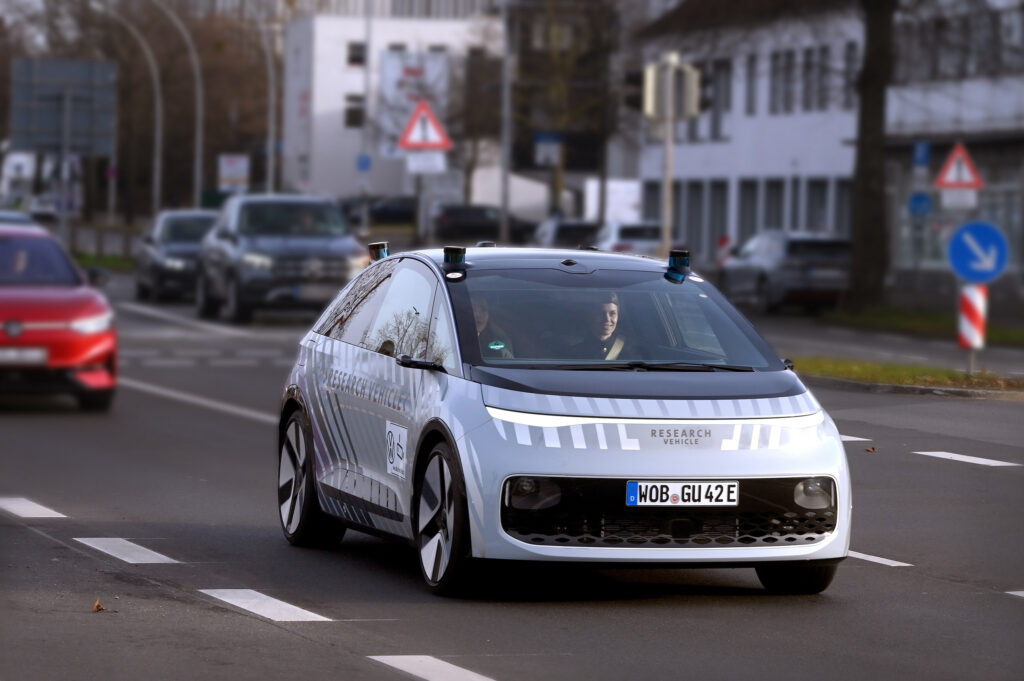

An Autonomous Car is a Moving Data Processing Center
With such a volume of data being processed in real-time, autonomous vehicles begin to resemble small but powerful data centers moving on the roads. The critical importance of RAM lies in the fact that it is what allows artificial intelligence models to function effectively, processing numerous streams of input information. Insufficient RAM can create performance bottlenecks, directly impacting the safety and reliability of the system.
The AI Trend Extends Beyond Server Rooms
This shift is part of a broader trend in the world of artificial intelligence. Large-scale AI applications are already increasing demand for memory for servers and data centers. Now this pressure is spreading to physical devices such as cars and robots. Micron reported significant revenue growth driven precisely by demand for DRAM products for AI applications, and this trend could expand significantly into the automotive and robotics markets.
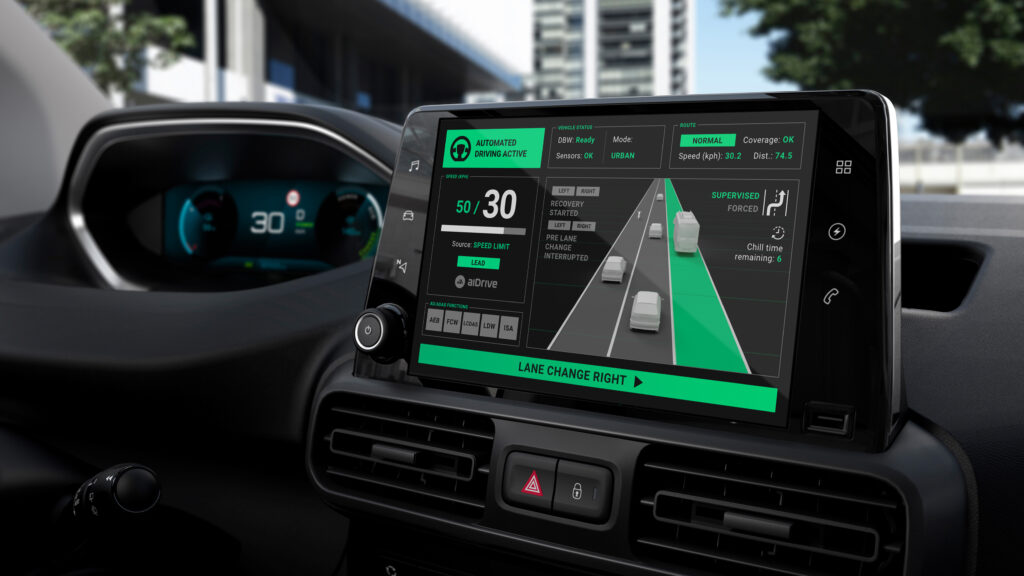

The transition to autonomous transport, besides technical challenges, will inevitably impact semiconductor supply chains and could change the economics of car manufacturing. The growing need for powerful computing modules and memory may lead to the emergence of new vehicle classes where the “guts” will be valued no less, or even more, than the body and engine. This also raises questions about the accessibility of technologies: will autonomous functions remain the prerogative of only the premium segment, or will they be able to become mainstream.