 by
by European premium car manufacturers are facing challenging market conditions, and the luxury midsize sedan segment is feeling it the most. Former favorites of business parks are rapidly losing positions in sales rankings due to shifting consumer preferences and overall market pressure.
Key Market Trends
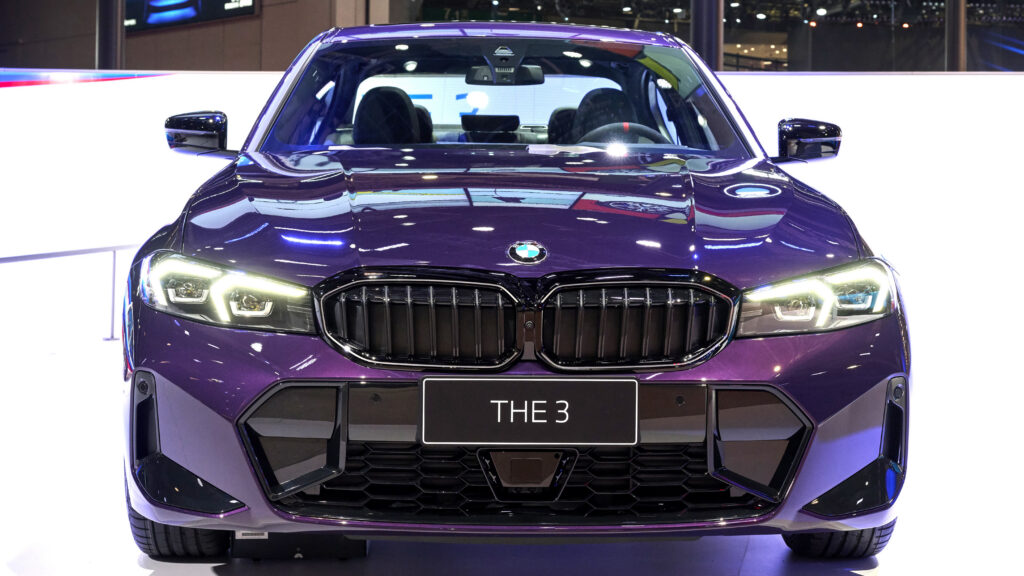
In the first ten months of 2025, sales in the premium midsize sedan category fell by 19 percent, to 241,096 units. The BMW 3-Series, despite remaining the segment leader, shows a 23 percent drop in registrations compared to last year – now at 60,237 units.

Competitors’ Positions
The new Audi A5, which replaced the previous A4, confidently holds second place. With sales of 53,483 units this year, it has become a bright star for Audi in an otherwise rather sluggish segment. But the same cannot be said for some of its rivals.
Data from Dataforce, published by Autonews Europe, shows that Mercedes-Benz sold 14 percent fewer C-Class models this year, with volume dropping to 41,335 units.
The fully electric BMW i4 also shows a slight decline of 1.6 percent, to 36,982 units.
Sales Dynamics of Key Models
The situation looks similar further down the ranking. Combined sales of the Volvo S60 and V60 amounted to 16,476 units, meaning a 35 percent drop. Polestar 2 sales fell by 26 percent to 14,099 units, while the BMW 4-Series lost 12 percent, reaching 10,081 units. The Alfa Romeo Giulia, despite a loyal audience, also showed a 20 percent decline.
Challenges and Shifting Buyer Preferences
The problem is not just model availability. Motorists have started considering other segments. For example, there is strong demand for midsize SUVs, including those with plug-in hybrid powertrains like the BYD Seal U.

The Electric Future of the Segment
Some manufacturers are betting on electrification to regain the segment’s lost positions. BMW is actively developing a new generation of the 3-Series, which will be offered in both ICE and electric versions. The electric car, expected to receive the i3 badge, will use technologies from the future iX3. This includes a more efficient powertrain and improved range, making it a key product in BMW’s electric strategy.
Mercedes is choosing a similar path with the next-generation C-Class, launch of which is scheduled for next year. The future electric version will share a platform with the new GLC SUV, indicating a more scalable and EV-oriented approach.
Sales Geography
Germany remains the largest single market for these midsize premium sedans, holding a dominant 37 percent market share. Sales have fallen significantly in the UK – by 26 percent, reducing its market share to 16 percent.
Despite current negative trends, there is cautious optimism in the industry that the segment may stabilize or even recover over time. The success of new electric models, such as the upcoming BMW i3 and electric Mercedes C-Class, will be a key factor in reviving interest in this class of cars. Changing market conditions and platform evolution could turn the current decline into a transition phase towards a more modern and environmentally oriented portfolio for premium brands.