


Mercedes’ New Strategy: From Glue to Screws
Automakers are constantly seeking innovations, but Mercedes-Benz has traditionally been a leader in safety, comfort, and manufacturing processes. Now, the German conglomerate is implementing an approach that may at first glance seem like a step backward, but is in fact a strategic turn towards more fundamental solutions. It’s about replacing glue with ordinary screws in key vehicle components, starting with headlights.
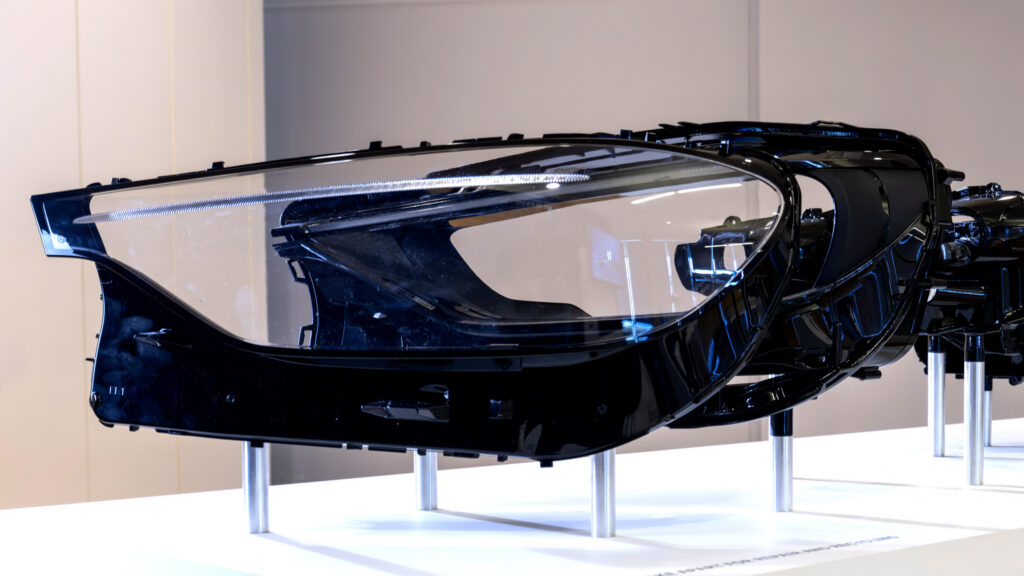
This initiative is part of the new Tomorrow XX program, aimed at developing a circular economy and improving repairability. The company plans to radically change the design of lighting units. Currently, the headlight lenses in most modern cars are glued to the housing, making them practically disposable: if the lens is damaged, the entire expensive headlight assembly has to be replaced.
Savings for the Customer and Less Waste
Switching to screw fastenings will allow for the replacement of only the damaged lens, not the entire headlight assembly. This could significantly reduce repair costs.
The cost of a new headlight, depending on the model and type of lighting (e.g., high-tech Multibeam LED systems), can range from approximately $500 to over $3,000 per unit.
This change not only saves money for owners and insurance companies but also significantly reduces waste volumes. It’s worth noting that US regulations currently do not permit separate replacement of headlight lenses, but in other countries this innovation could be fully implemented.
The Principle of Easy Disassembly Extends Further
The philosophy of easy disassembly is not limited to headlights. Mercedes is also revising the design of interior components, such as door panels. Instead of ultrasonic welding, which makes them monolithic, the plan is to use reversible thermoplastic rivets. When a car reaches the end of its life cycle, such panels can be easily disassembled into component materials for recycling, rather than sending the entire solid block to the shredder.
Second Life for Materials
Concurrently, the conglomerate has intensified the use of recycled raw materials in production. For example, in the future CLA-Class, the windshield washer fluid reservoir will be made from 100% recycled polypropylene, and bumpers will contain 25% recycled material. Engineers are also experimenting with manufacturing engine mounts from recycled airbags, sound insulation from old tires and artificial leather, partially obtained from plastic waste.
Each of these changes individually may seem small, but together they form a systemic approach capable of significantly reducing the environmental footprint of mass production. This course demonstrates that true innovation in modern automotive manufacturing does not always lie in adding new electronics; sometimes it lies in rethinking, simplifying, and prioritizing durability and repairability over the convenience of the production line. Such steps could change the economics of car ownership, making service more accessible, and also lay the foundation for a more closed-loop and responsible material usage cycle across the entire industry.