 by
by Update for the Chinese Market
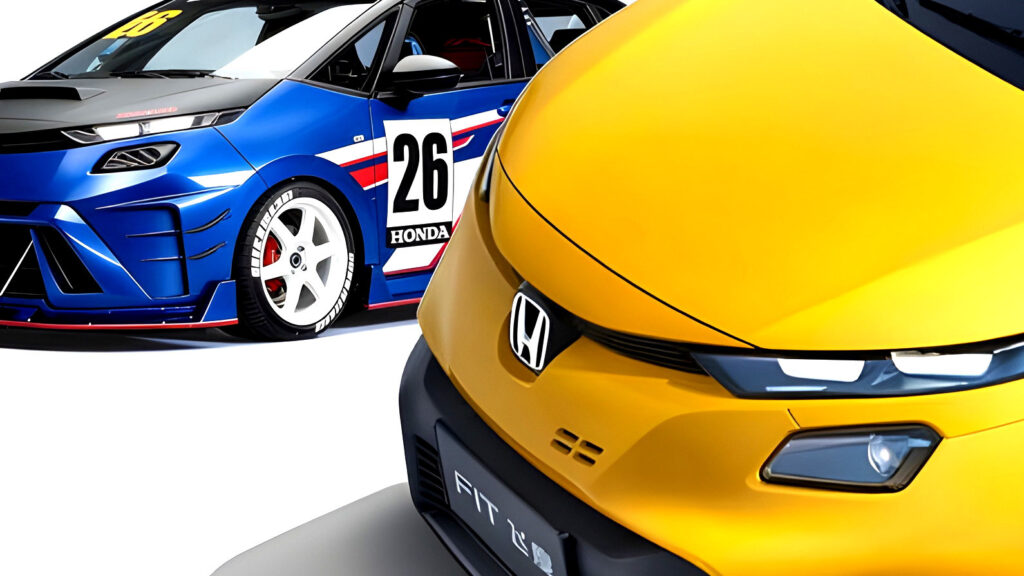
Honda has introduced an updated version of the compact Fit for the Chinese market. This locally produced model received a radically new front-end design, distinguishing it from other versions. Production of the updated model is limited to only 3000 units, and its starting price is significantly reduced.
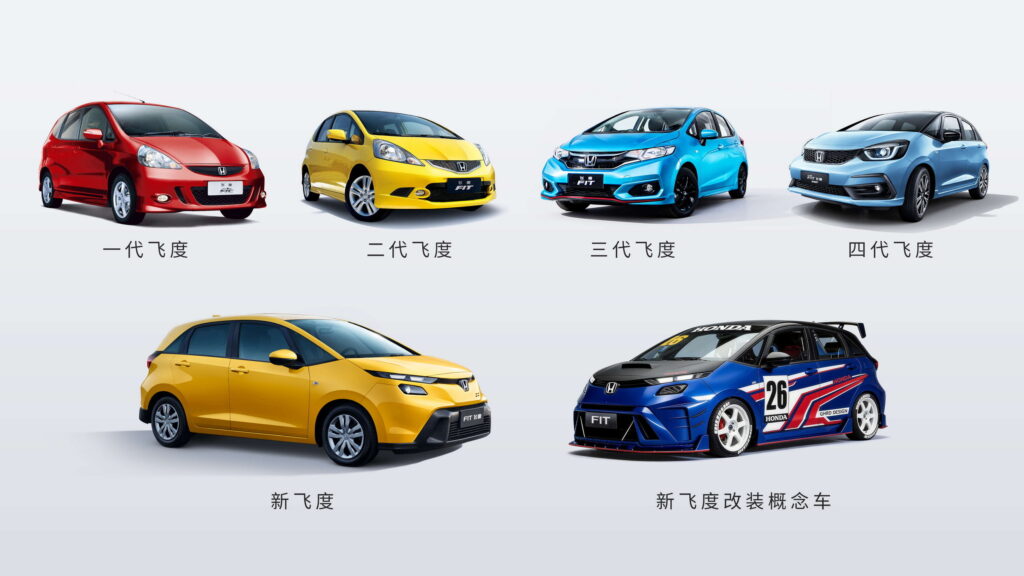
The fourth-generation Honda Fit, known in some regions as the Jazz, debuted in 2019. After a minor facelift in 2022 for Japan and Europe, the model was withdrawn from the US market due to low demand. In China, however, the car appeared in 2020 under two names: GAC Honda Fit and Dongfeng Honda Life.
Visual Differences and Features
The presented version from GAC Honda was first shown back in April 2025. Its main difference is the new front lighting: a pair of narrow split LED headlights, a new radiator grille, and a more expressive bumper with a wide lower air intake. Overall, the front-end design resembles a Toyota more than a classic Honda. The rest of the body remains unchanged.
The car is offered in a single trim with 15-inch wheels and three new body colors: “Blazing Yellow,” “Dynamic Blue,” and “Starry Night White.” The length has increased to 4169 mm, while the wheelbase remains the same at 2530 mm.
Interior and Technical Equipment
The interior remains recognizable but has received several updates. The multimedia system now has a 10.1-inch screen, and the instrument cluster has been replaced by a 7-inch digital display. The trim remains basic: fabric seats, a two-speaker audio system, and a lack of modern driver assistance systems. The question of the availability of the versatile Magic Seats remains open.
The heart of the car is a conventional 1.5-liter i-VTEC gasoline engine producing 122 hp, paired with a CVT transmission. A hybrid version is not offered. According to the manufacturer, on a full tank, the car can travel over 700 km. Buyers are also provided with a lifetime warranty on the engine and transmission.
It is not yet known whether similar design changes will affect the European Jazz or the Japanese Fit. Chinese buyers also have access to the Dongfeng-Honda Life model, which retains the design of the global version but also does not offer a hybrid powertrain.
Aggressive Pricing Policy
The price of the updated 2026 GAC-Honda Fit is only 66,800 yuan, which is 31,000 yuan cheaper than the not-yet-updated Dongfeng-Honda Life model. This pricing policy brings the car closer to affordable Chinese electric vehicles such as the BYD Seagull, Wuling Bingo, and Geely Xingyuan.
As reported by Japanese media, Fit sales in China have plummeted due to increasing competition from local electric vehicles. By mid-2025, monthly sales fell below 100 units, and in October they were only 3, and in November – zero. This is why GAC-Honda decided to release the updated model in only one trim, with a large discount and a limited production run.
Overall, nearly 1.5 million Fit cars have been sold in China, and about 9 million worldwide. Honda notes that in China, the repeat purchase rate for this model is 3%, which opens up opportunities to attract former customers.
Unexpected Concept
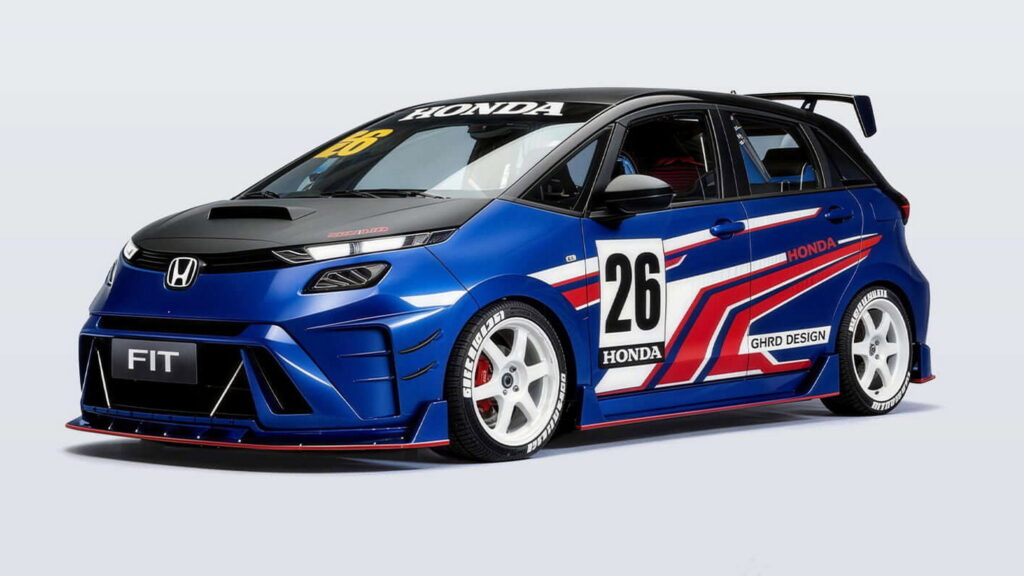
Among the official Honda images showing all four generations of the Fit, an unexpected concept was discovered. This version received aggressive body kit, pronounced aerodynamic elements, lowered ground clearance, massive wheels, and a sporty paint scheme.
Although brand enthusiasts might dream of a Type R version based on the Fit, this concept is most likely just a design experiment aimed at increasing interest among Chinese buyers and demonstrating the model’s tuning potential. The sportiest version of the Fit/Jazz available now is the RS trim for the Japanese and European markets, which features unique bumpers and a tuned suspension.
GAC Honda
The situation with the Honda Fit in China vividly illustrates the general trend in the world’s largest car market. The onslaught of affordable and technologically advanced local electric vehicles is forcing traditional players like Honda to seek unconventional ways to maintain their presence. Limited production, a sharp price cut, and a market-exclusive design are survival tactics in conditions where sales of classic compact hatchbacks have practically stopped. The future of such models in China will likely depend on their electrification or a complete reorientation to other, more promising segments.