


New Research on Electromagnetic Radiation in Electric Vehicles
German researchers conducted large-scale testing to determine whether electric vehicles could be a source of dangerous radiation for drivers and passengers. The results turned out to be reassuring for supporters of electric transport.
Key Research Findings
Testing Methodology
The study, initiated by the German Federal Office for Radiation Protection, covered various vehicles. ADAC engineers placed ten sensors in special mannequins, which were sequentially positioned in different places inside the cabin during movement and the charging process.
We wanted to determine the actual magnetic field readings under conditions as close as possible to operational ones


Measurement Results
During the tests, short-term peaks of the magnetic field were recorded during sharp acceleration or braking, as well as during the activation of electronic systems. However, these indicators did not exceed the safe limits established by international standards.
The highest values were recorded in the leg area, while in the head and torso area they were minimal. This means that the electromagnetic load on the human body remains within the normal range.


Unexpected Discoveries
One of the interesting results was the detection of relatively high levels of radiation from the seat heating system. This pattern was observed not only in electric vehicles, but also in hybrid and conventional internal combustion engine vehicles.
Impact of the Charging Process
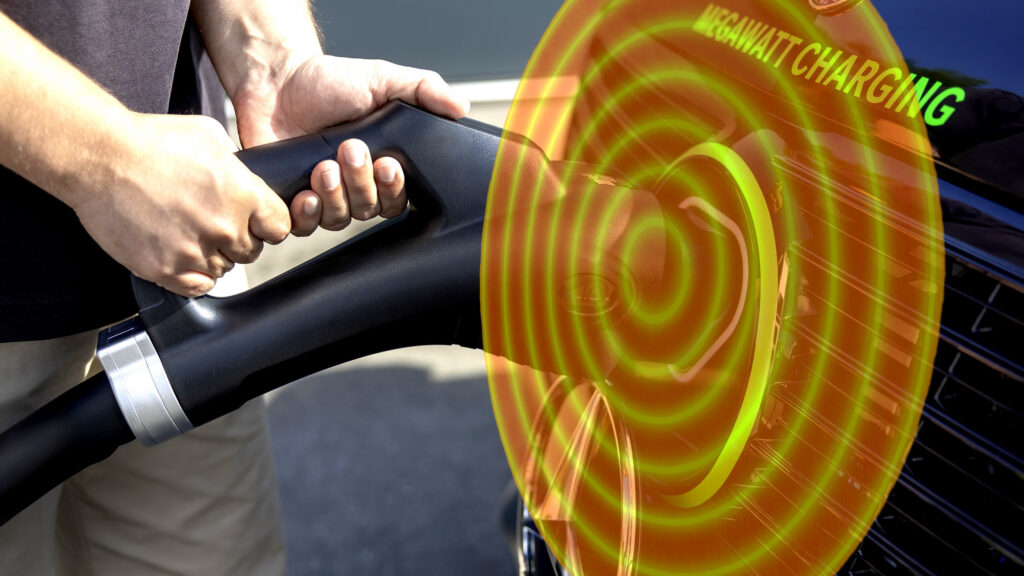
Charging the batteries does not lead to a significant increase in radiation levels. During alternating current charging, some increased readings were observed near the connector, but they quickly stabilized. Direct current fast charging showed even lower radiation levels compared to slow options.

These results confirm that modern electric vehicles meet all safety standards regarding electromagnetic influence. Electric transport technologies continue to improve, which allows minimizing any potential health risks. Research of this level is important for overcoming stereotypes and promoting wider adoption of environmentally friendly transport.