


Implementation of the Experimental Steering Wheel
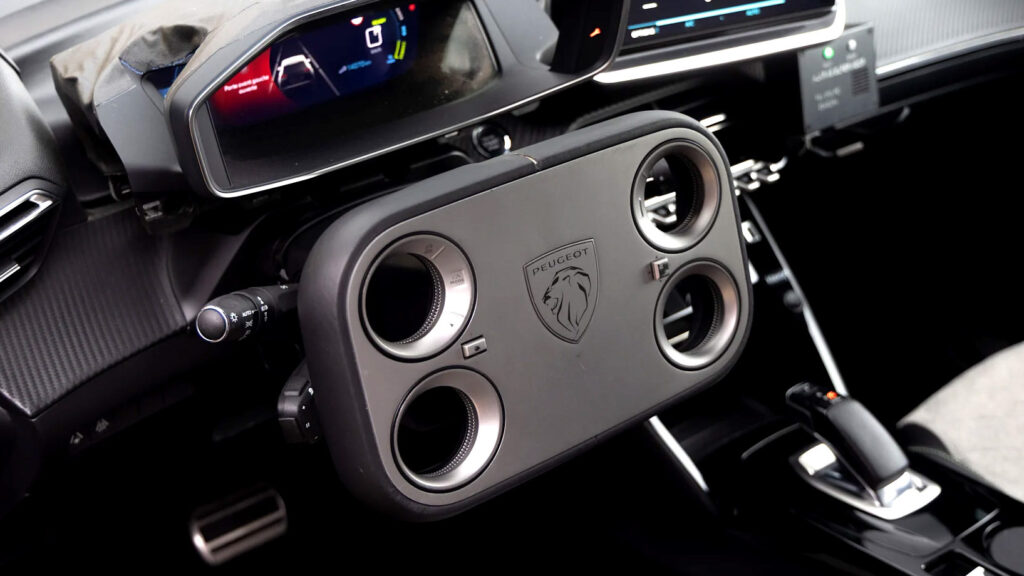
Peugeot is not just experimenting with design but is actively seeking to implement its experimental ‘Hypersquare’ steering wheel in real life. The company is combining this concept with a new steer-by-wire system, which is planned for the next generation of the 208 model.
Almost three years after the first presentation of the square steering wheel at the beginning of 2023, the Stellantis brand has begun its active testing and has already allowed several journalists to try it.
Just as Tesla started the trend of tablet-like infotainment systems, its steer-by-wire technology and unconventional steering yoke sparked new interest in unconventional driver interfaces.
Future Concepts
Peugeot continued this idea with its Inception concept car, presenting the square steering wheel as part of its vision for future interiors. Just last month, the brand went even further with the Polygon concept, which again included the Hypersquare.
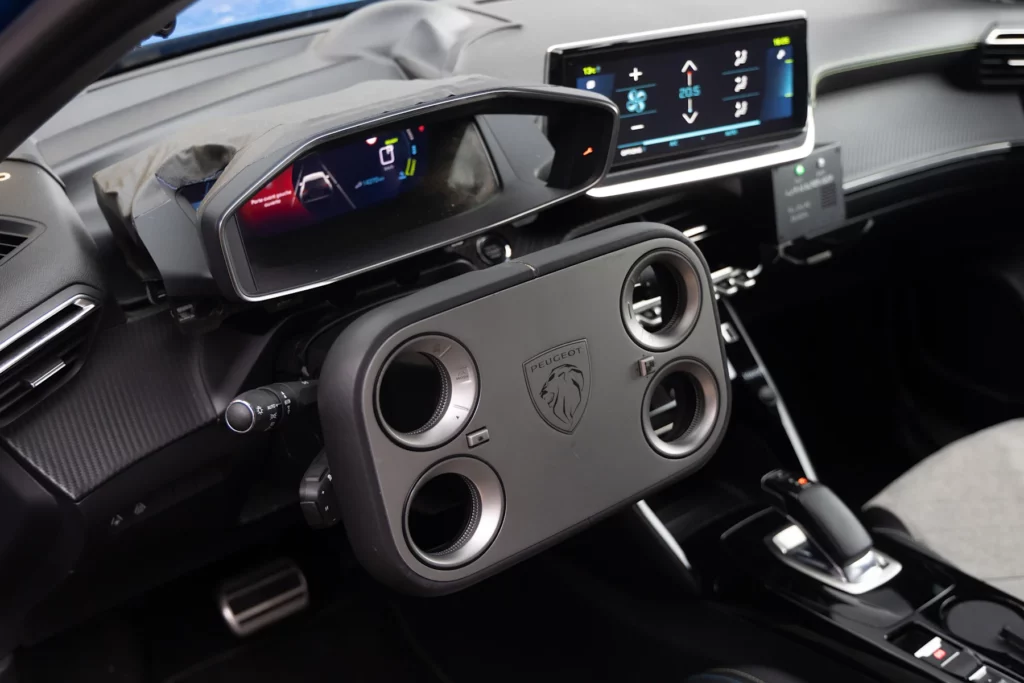
It is this steering wheel and Peugeot’s steer-by-wire system that have already been installed on a test E-2008 vehicle. It has four large holes, the two upper ones containing several controls and providing drivers with a place to rest their thumbs.
Although we have not yet tested it personally to give an assessment, many other automakers have experimented with square steering wheels over the decades, including the Corvette C8 and AMG ONE, but none have taken this idea as far as Peugeot.
Usage Impressions
The German publication Handelsblatt recently tried it, noting that the driver’s thumbs “naturally slide into the recesses,” so its use might not be as awkward as one might expect.
Like the steer-by-wire systems in the Tesla Cybertruck and Lexus RZ, the Peugeot version adjusts the steering ratio depending on speed. At low speeds, for example, when maneuvering in a parking lot, the ratio is reduced to approximately 5:1, which is about three times faster than a standard hydraulic steering system.
However, this fast ratio seems to have its learning curve. Handelsblatt reported that the steering wheel “reacts almost nervously to every twitch,” and during a short drive, the journalist hit a curb. However, as speed increases, the system stabilizes and begins to feel more intuitive.
Developed for Multiple Modes

According to one of Peugeot’s driving instructors, the automaker will add several different driving modes to the next 208. One of these modes will be designed to make the steer-by-wire easier to get used to, while a sport setting will be better suited for high-speed driving.
The company also wants to ensure that drivers still feel a physical connection to the road. For this, sensors inside the steering actuator monitor the forces acting on the wheel carriers. These forces are then converted into tactile feedback, transmitting appropriate vibrations through the Hypersquare steering wheel itself.
So, what do you think: can a square steering wheel and a steer-by-wire system convince traditionalists, or is Peugeot going too far this time? Share your thoughts on how you would feel about completely abandoning the round steering wheel.
The integration of such radical innovations into production cars is always accompanied by a period of adaptation for both manufacturers and consumers. The success of the Peugeot Hypersquare will depend not only on the technical perfection of the system but also on how quickly drivers can redefine their muscle memory and sense of car control. This project could also become a catalyst for a broader discussion about the future of human-machine interaction in the era of autonomous driving, where the traditional steering wheel may lose its primary function altogether.