 by
by Significant Discount on Europe’s Most Affordable Electric Car
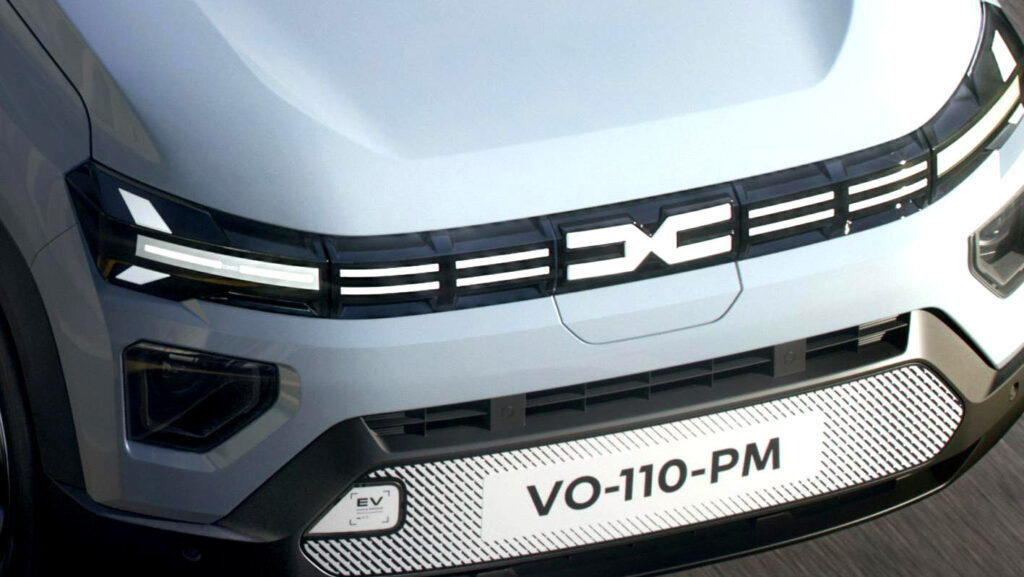
Buying a new electric car in Germany has become even cheaper, as Europe’s most budget-friendly EV further distances itself from competitors. The fully electric Dacia Spring now starts at 11,900 euros thanks to a massive 5,000-euro discount. At this price, it is significantly cheaper in Germany than in the UK.
This offer has key conditions:
Conditions for Obtaining the Discount
This is not a government subsidy or a dealer bonus. The discount is applied directly to the car’s base price, but it is not permanent. To take advantage of the full 5,000-euro discount, buyers must sign a purchase or lease contract by February 28. Additionally, the car must be registered no later than June 30.
Besides the attractive price, the Spring comes with a standard seven-year or 150,000-kilometer warranty. It is also compact and light, weighing 995 kg and measuring 3.7 meters in length.
What Exactly Is the Buyer Paying For?
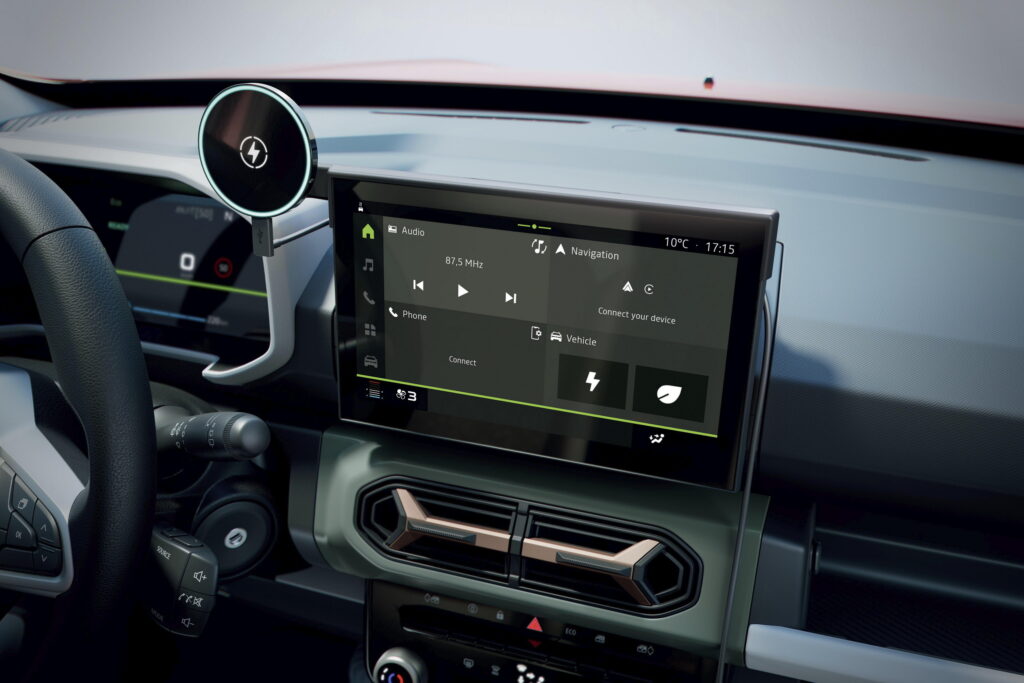
Of course, a car at such a low price has compromises. The Spring is equipped with a 24.3 kWh lithium-iron-phosphate battery that powers a single front electric motor with only 70 horsepower. It is also manufactured in China, which helps explain the low cost.
Dacia claims it can consume an average of 12.7 kWh/100 km in the combined cycle, offering up to 225 km of range. For those who drive only in cities, the range can be increased to 341 km.

Even More Advantageous Offers in Europe
Incredibly, this is not the most advantageous offer for the Dacia Spring. Under a new government program in Italy, designed to encourage locals to scrap old ICE vehicles in favor of EVs, the Spring can be purchased for just 3,900 euros.
However, to obtain the maximum savings of 11,000 euros, locals must scrap a Euro-5 standard or older vehicle, reside in an urban area with a population over 50,000, and have a family income of less than 30,000 euros.
Similar pricing initiatives in various EU countries clearly demonstrate how national electric vehicle incentive programs can radically change technology accessibility. The difference in the final price for the consumer in Germany, Italy, or the UK depends not only on the manufacturer’s policy but also on the level of state support and specific market conditions. This creates an interesting dynamic where the same car can be both a basic means of transport and the object of large-scale social programs for fleet renewal. Such steps are likely to spread as Europe strives to achieve its environmental goals.