 by
by Flock Safety Technology in Action: How Cameras Assist Police
Various cities in the US are beginning to abandon Flock Safety surveillance cameras and similar systems. Privacy advocates believe such networks violate the Fourth Amendment to the Constitution. However, new video from two police departments demonstrates how this technology can assist in apprehending suspects. At the same time, the footage reveals certain limitations of the system and confirms critics’ concerns.
Key points illustrated by the video:
Fleeing the Crime Scene in Arizona
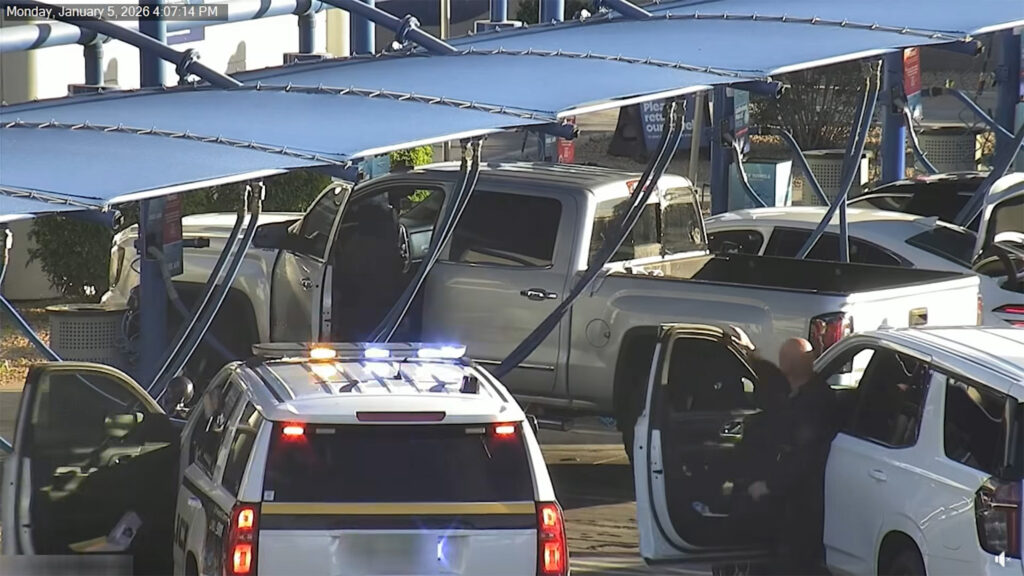
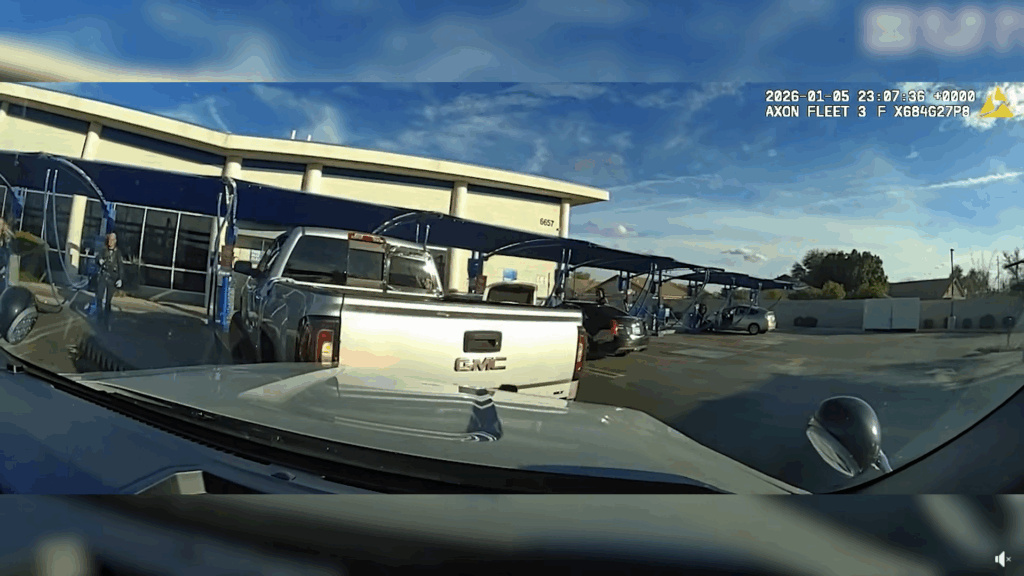
Police officers in Glendale, Arizona, received an alert from the Flock system about a stolen pickup truck passing by. They tracked the vehicle to a car wash where the driver was cleaning the interior. Despite three police cars already surrounding the vehicle, the driver decided to flee.
He rammed one of the police cars several times to break free, nearly hitting one of the officers. The police showed significant restraint, not using force to escalate the situation. After that, the pickup drove off, entered the oncoming traffic lane, and disappeared.
The Role of the Monitoring Center and the Search for the Suspect
Fortunately for law enforcement, their “Real-Time Crime Monitoring Center” has access to over 1,700 surveillance cameras, including automatic license plate recognition systems similar to Flock. For unclear reasons, which the department did not specify, it took the police a week to track down the suspect, after which he was apprehended. There is no information on whether the stolen pickup was recovered.
Apprehension of a Shooting Suspect in North Carolina
In a separate incident in North Carolina, police responded to a report of a shooting. The suspect, according to the investigation, fled the scene in a burgundy Nissan.
“Almost instantly, the suspect’s vehicle was detected by cameras, and this information was relayed to officers on the scene. Thanks to rapid coordination between patrol units and the Monitoring Center, officers were able to quickly narrow the search and apprehend the suspect,” reports the Gastonia Police Department.
Privacy Concerns and Technology Capabilities
Privacy activists have repeatedly noted that Flock Safety camera systems capture more than just license plates. They analyze other identifying characteristics of vehicles, and the cases described above seem to confirm this. The Nissan captured on police video is missing a front license plate. Therefore, for the system alert to trigger, it had to use other recognizable features of the car.
Undoubtedly, when this technology works correctly and is used within the bounds of the law, it can be an effective tool for law enforcement. The two described incidents demonstrate an ideal scenario for its application. The real question lies in how often real-world practice aligns with these cases and what control mechanisms prevent potential abuses of the extensive video surveillance that stores data for extended periods.