


The End of a Long Road
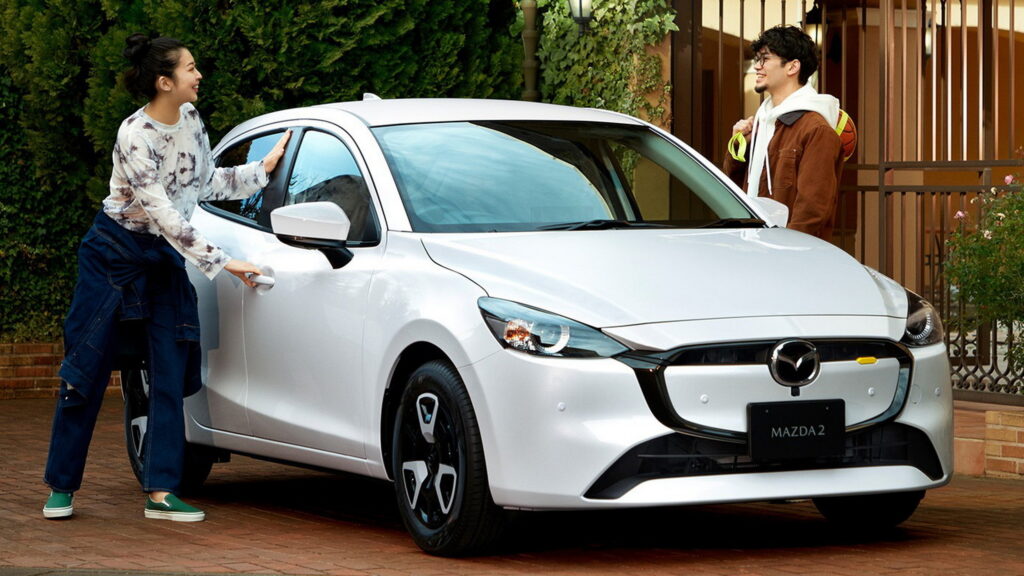
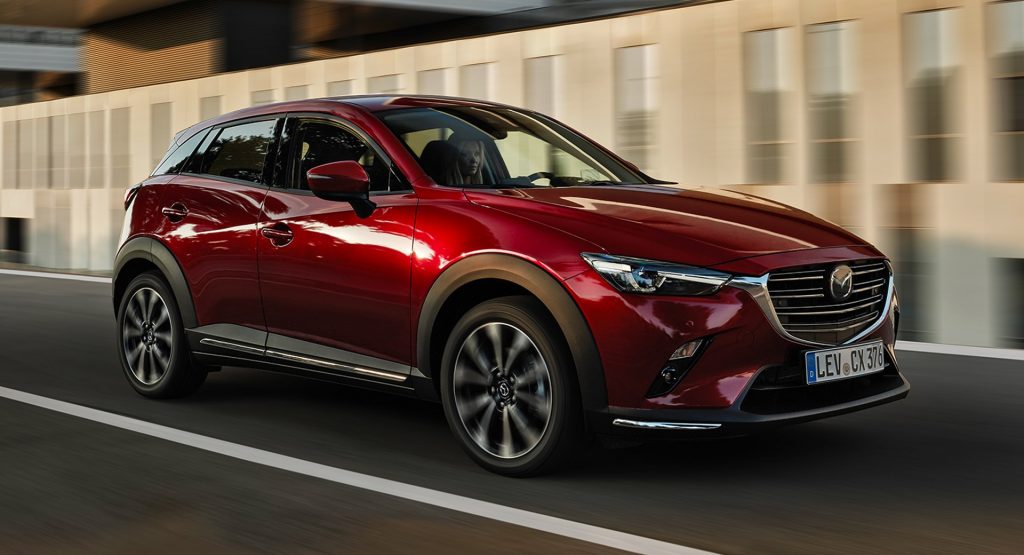
The current Mazda2 and CX-3 already resemble marathon runners who have lost the desire to finish. Both models have been on the market since 2014, undergoing a series of updates that only barely maintained their relevance. However, every car eventually reaches the end of its road, and for Mazda’s smallest offerings, that point seems to be nearing.
As reported by the Japanese publication Creative Trend citing internal dealer documents, Mazda plans to end production of both the Mazda2 and CX-3 during 2026. Timing-wise, this is quite logical. These models are now the longest-running in the brand’s current portfolio, and such longevity rarely goes unnoticed, especially in segments that demand constant evolution.
More specifically, production of the CX-3 is set to cease in March, and the closely related Mazda2 in June. Until then, Mazda will continue to accept domestic orders until each model reaches its final quota. After that, the remaining inventory will be sold off.
Replacement Plans
Despite earlier assumptions about the brand’s complete exit from the subcompact segment, such a scenario seems increasingly unlikely. Mazda appears to have other plans.
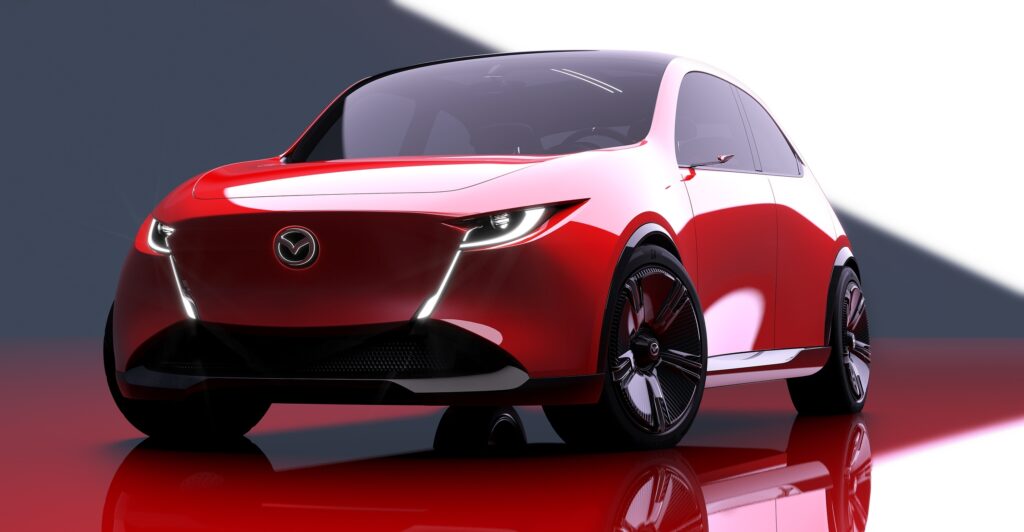


The best indicator of the future Mazda2 is the Vision X-Compact concept, unveiled at the Japan Mobility Show in 2025. The concept features a hatchback body with a modern design and AI-based interior functions.
Interestingly, the Vision X-Compact is 10 inches (255 mm) shorter than the current Mazda2. If such dimensions are carried over to the production model, Mazda’s next entry-level model could shift into the city car segment rather than remaining a traditional supermini. In any case, it could appear by 2027 as the brand’s new entry-level offering in global markets, although its miniature size virtually rules out sales in the USA.
A New Compact Crossover

As for the CX-3, its results in global markets have been solid enough to suggest that a replacement might be worth the effort.
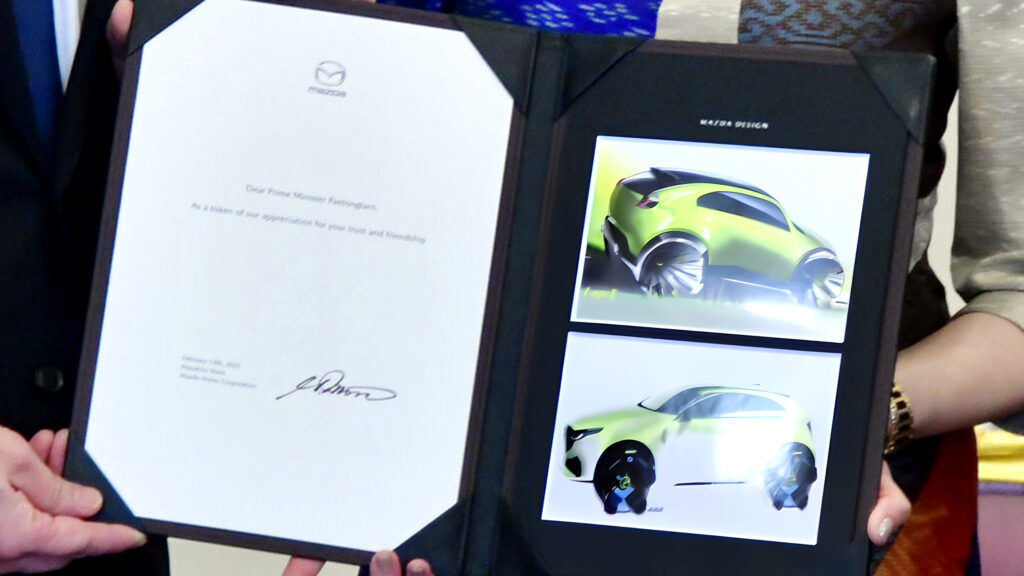
Mazda hinted at what could come next during an official presentation in Thailand earlier this year, where a pair of design sketches showcased a compact SUV with a wider track and clearer proportions. The design seems to borrow features from the latest CX-5.

This future model may receive the designation CX-20, although nothing has been confirmed yet. Its global launch remains uncertain, but if it happens, it will likely target competitors like the Toyota Yaris Cross and the growing number of compact SUVs from other brands.
The lifecycle phase in which the Mazda2 and CX-3 find themselves vividly illustrates the dynamics of the modern automotive market, where even successful models cannot exist forever without a profound update. The shift to a potentially smaller Mazda2 and a more substantial successor to the CX-3 indicates the brand’s strategic repositioning aimed at clearer segment differentiation and meeting new demands for design and technology. The success of these future models will largely depend on how well Mazda can balance its signature “Jinba Ittai” philosophy with buyer expectations for space, efficiency, and digital integration in compact classes.