 by
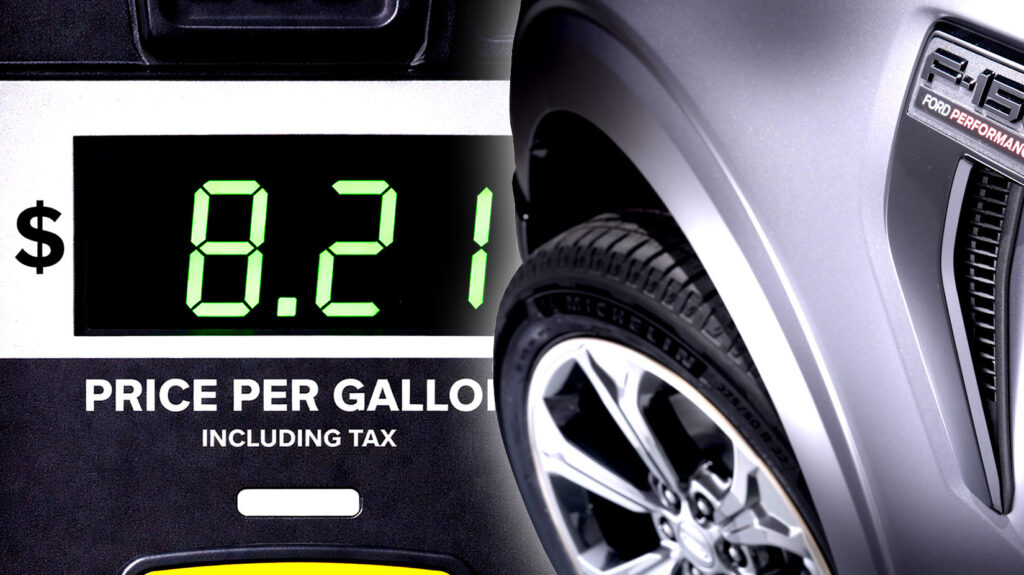
by Gasoline prices in Southern California have surged sharply, exceeding the $5 per gallon mark. One gas station in Los Angeles has even set a shocking price of $8.21 per gallon. Against the backdrop of this increase, legislators are demanding an investigation into the reasons for the fuel price hike.
Sharp Price Jump at Gas Stations
If you thought last month’s fuel prices were high, despite being near multi-year lows, your next fill-up might be a real shock. Motorists across America are once again witnessing a rapid rise in prices at the pump. One gas station in Los Angeles has set an astounding price of $8.21 per gallon.
Yes, $8. For regular gasoline. Suddenly, a weekend trip in a V8-powered car doesn’t seem so relaxing, while a Prius, an electric vehicle, or even plain walking look like very attractive alternatives.
Growth Statistics
According to new data, the average gasoline price in the US has increased by 50 cents over the past week. In California, the statewide average has already exceeded $5 per gallon. In Los Angeles County, it is about $5.17, in Orange County approximately $5.15, and in Riverside County around $5.06. These numbers changed very quickly. In Los Angeles County alone, the average price rose by almost 17 cents overnight.
Conflict in Iran and Other Factors
The price jump did not happen in a vacuum. Oil markets were already slowly rising due to normal seasonal spring demand, but the situation accelerated sharply after the Israeli and US attack on Iran. Since then, global oil prices have jumped above $110 per barrel, briefly reaching $119.50, which is the highest level since the pandemic. This is due to fears that the conflict could disrupt energy supply.
The shocking $8.21 per gallon is a reality at a Chevron station in downtown Los Angeles. Despite this price, when journalists with cameras arrived, there were still many people refueling there. However, reporters also found fuel for just over $4.19 per gallon at a less noticeable station a few miles away, proving that searching for good prices suddenly becomes a survival skill.

Experts note that California’s strict fuel standards, tax structure, and reduced local refining capacity may also amplify price fluctuations compared to the rest of the US.
National Increase and Political Reaction
Other states are also experiencing price hikes. AAA data showed that as of March 5th, the national average price for a gallon of regular gasoline had risen by 27 cents to $3.25. Even in Oklahoma, where the average price of $2.972 per gallon makes it the cheapest state to refuel, some pain is felt: a month ago, the same gallon would have cost $2.322.
Meanwhile, in Pennsylvania, the political temperature is rising along with gas station prices. Two state legislators have appealed to the Attorney General demanding an investigation into whether the recent gasoline price spikes might involve unfair pricing practices or potential price gouging. Officials say they want to find out if motorists are being charged more than market conditions justify.
Such price dynamics point to the vulnerability of consumers to global geopolitical events and regional market structures. The difference in fuel cost even within a single city can reach double, making information literacy and price comparison critically important for household budgets. The situation is also activating discussions about accelerating the energy transition and diversifying transportation energy sources to reduce dependence on oil market fluctuations.