


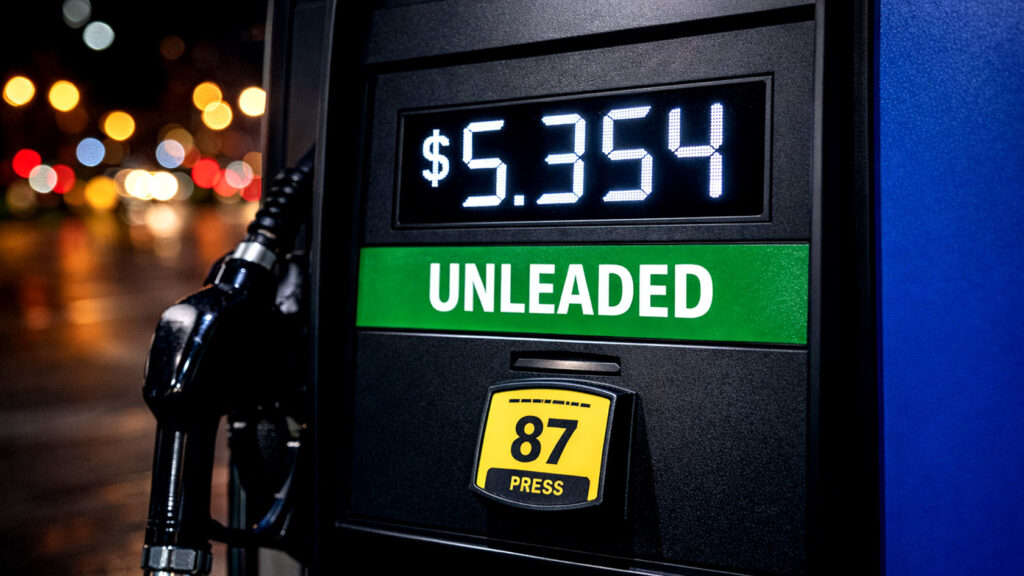
Fuel Prices in California Could Rise Sharply
While the national average price for a gallon of gasoline in the U.S. has fallen to $2.855, drivers in California continue to pay significantly more—an average of $4.310. This situation could worsen dramatically due to the impending closure of two major refineries in the state.
Here are the key facts of the situation:
Consequences of the Plant Closures
The plants, located near Los Angeles and in the San Francisco Bay Area, play a critically important role. Their closure will deprive the market of a significant share of fuel. Analysts warn this could cause a jump in gasoline prices of 50 cents per gallon. The first plant will cease operations at the end of the month, and the second—in April.
One analyst noted that the closure could cause gasoline prices to rise by 50 cents.
The State’s Fragile Fuel System
After the closure of these two facilities, California will be left with only six oil refineries. This makes the system vulnerable to any disruptions.

Tom Kloza commented on the situation: “When you have 10 plants and two of them are down for planned or emergency maintenance, it’s not a problem. But when you only have six, and one of them is down—God forbid, there’s a fire—you’re in trouble. Then the market can easily reach $5-6 per gallon.”
Such prices have already been a reality for California: in June 2022, the average price per gallon reached $6.438. However, an increase to $6 from the current level would mean a 110% rise.

Why Are Prices So High in California?
According to the U.S. Energy Information Administration, high fuel prices in California are due to a number of factors, including state taxes and fees, environmental requirements, special fuel standards, and the isolation of the state’s oil market. In particular, Californians pay the highest gas station taxes, which collectively (federal, state, and local) amount to about $0.90 per gallon.
Oil companies are feeling pressure from the regulatory environment. As reported, Valero cited high costs and uncertainty caused by California regulations as the reason for closing its plant. It is also noted that the state’s official goal to ban the sale of new internal combustion engine cars by 2035 is pushing companies to close refineries, as they see no point in investing in a market that may shrink.
This situation vividly demonstrates the complex transitional period that one of the largest economic regions in the U.S. is going through. On one hand, there are ambitious environmental goals and legislative initiatives aimed at combating climate change. On the other—energy security and economic affordability for millions of residents who will still depend on cars for a long time. The future will show whether the state can find a balance between these priorities and avoid sharp shocks for consumers in the coming months. The potential doubling of fuel prices could have serious consequences not only for family budgets but also for the entire logistics and prices of goods in the region.