


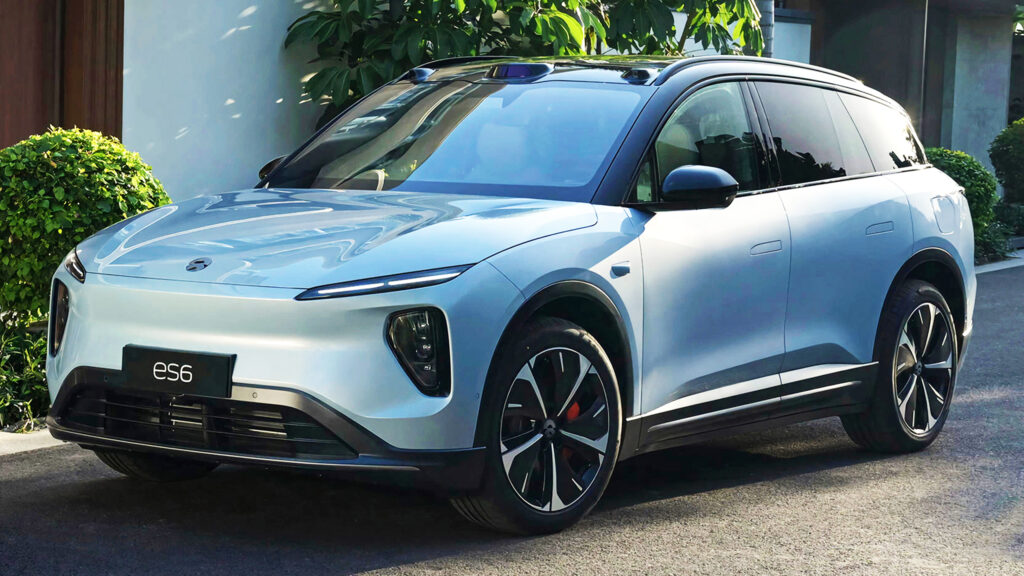
The Chinese Government Takes Decisive Measures Against Price War
The Chinese government is intensifying efforts to put an end to the price war among local automakers, which has flared up against the backdrop of falling sales in the first month of the year. The most radical step on this path has been the establishment of restrictions on how low companies can price their vehicles.
New Rules Have Banned Loss-Making Prices
Recently published directives from the State Administration for Market Regulation explicitly prohibit companies from setting prices below the cost of production. Such actions are regarded as attempts to monopolize the market and squeeze out competitors. Violation of the new pricing rules carries serious legal risks for automakers.
According to the China Automobile Dealers Association, the price war over the past three years has caused production losses amounting to up to 471 billion yuan. Sales in the market in January fell by 19.5% compared to the same period last year, marking the fastest rate of decline in nearly two years. Compared to December 2025, sales fell even more significantly – by 36%, from 2.2 million to 1.4 million units.
Without deferred payments to suppliers, they will not have enough cash on hand to sustain the discount war.
Exports May Compensate for Domestic Decline
Some analysts predict that domestic demand for new cars in China will fall this year, with sales potentially shrinking by up to 3%. However, Chinese auto companies may compensate for this by increasing exports to foreign markets. For example, BYD plans to export 1.3 million electric vehicles and plug-in hybrids this year, compared to 1.05 million last year.
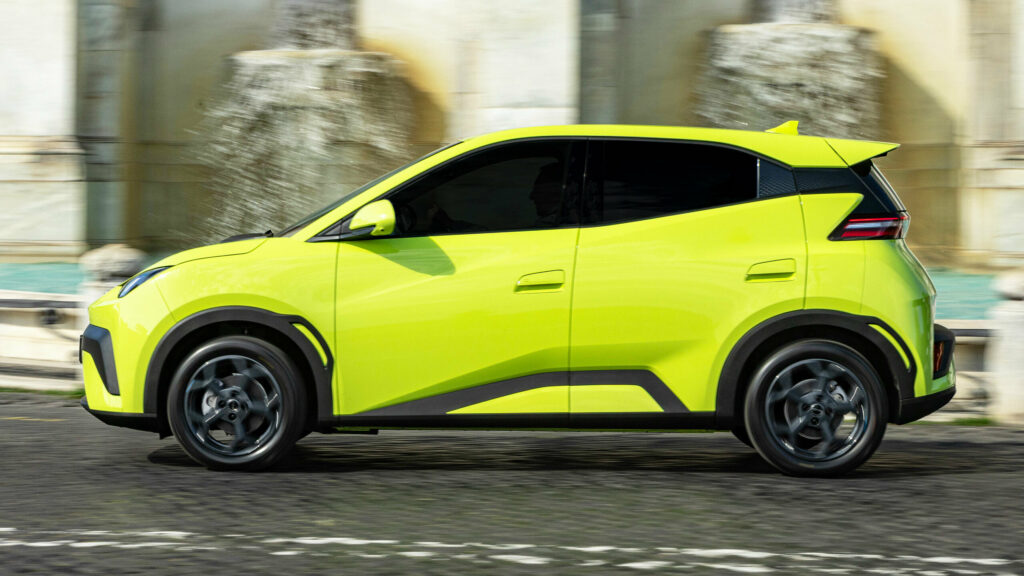

Shortening Payment Cycles to Suppliers
The ban on loss-making prices is not the only measure to stop the price war. Due to increased state scrutiny, many large automakers have shortened payment cycles to their suppliers from an average of 300 days to less than 60 days. Previously, Chinese auto brands often extended payment terms to preserve cash reserves for financing research and development.
Chen Jinzhu, CEO of the consulting company Shanghai Mingling Auto Service, noted that the results showed the effectiveness of government intervention, as auto groups feared severe penalties for non-compliance with the authorities’ demands.
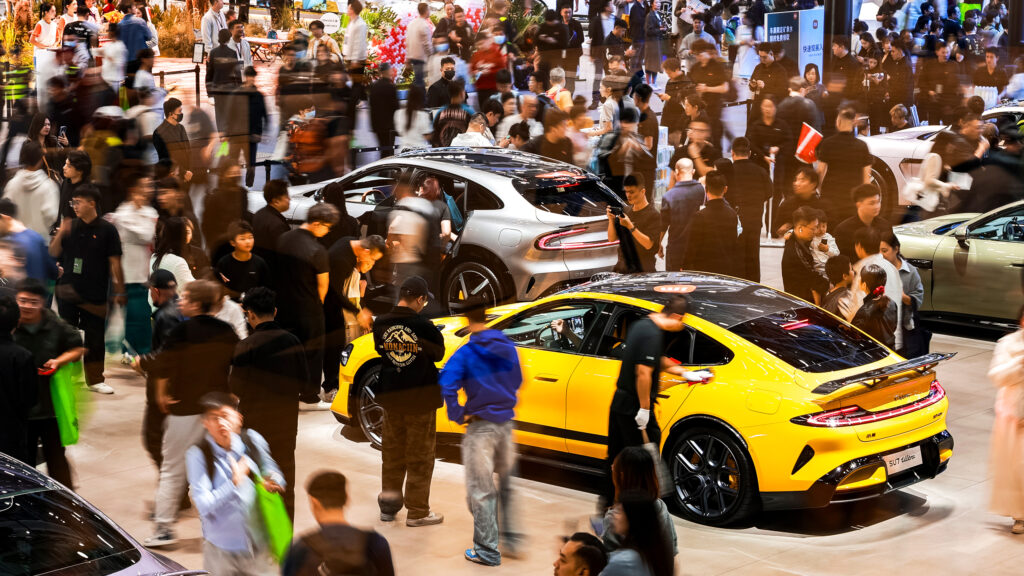
These regulatory changes are occurring at a crucial moment for the Chinese automotive industry, which is under pressure from both domestic consolidation and international trade tensions. The shift from aggressive price competition to a more structured market could contribute to long-term stability, but also raises questions about vehicle affordability for the mass consumer. The success of these measures will largely depend on the ability of manufacturers to adapt business models and find new sources of growth, especially on the international stage where competition is also intensifying.