


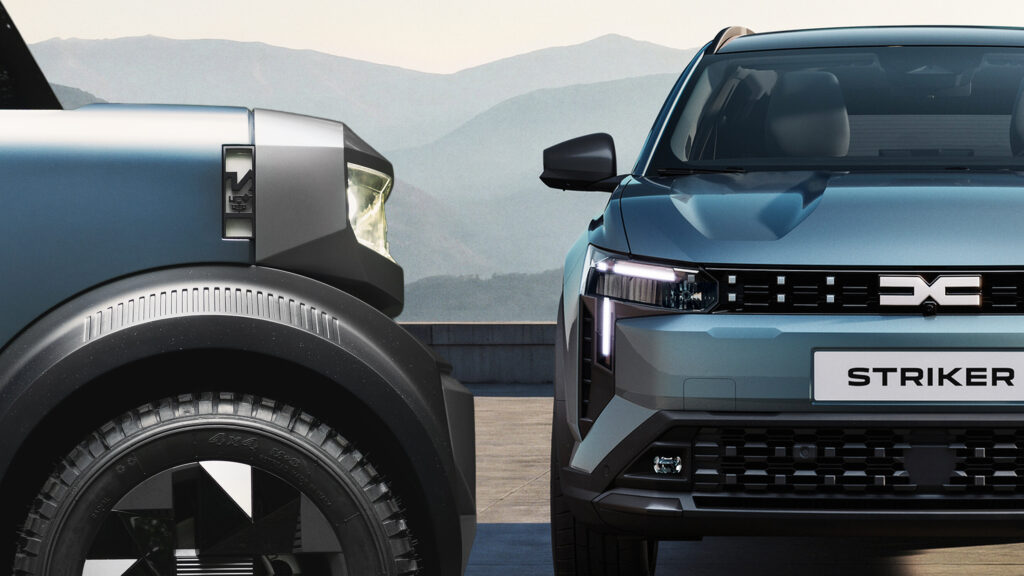
The Romanian automaker Dacia, part of the Renault Group, has revealed its strategic plans for the future. As part of the corporate-wide futuREady strategy, the brand intends to significantly expand its model range and accelerate the transition to electric vehicles. The company will introduce four new fully electric models by the end of this decade, while simultaneously strengthening the presence of electric powertrains across the entire lineup.
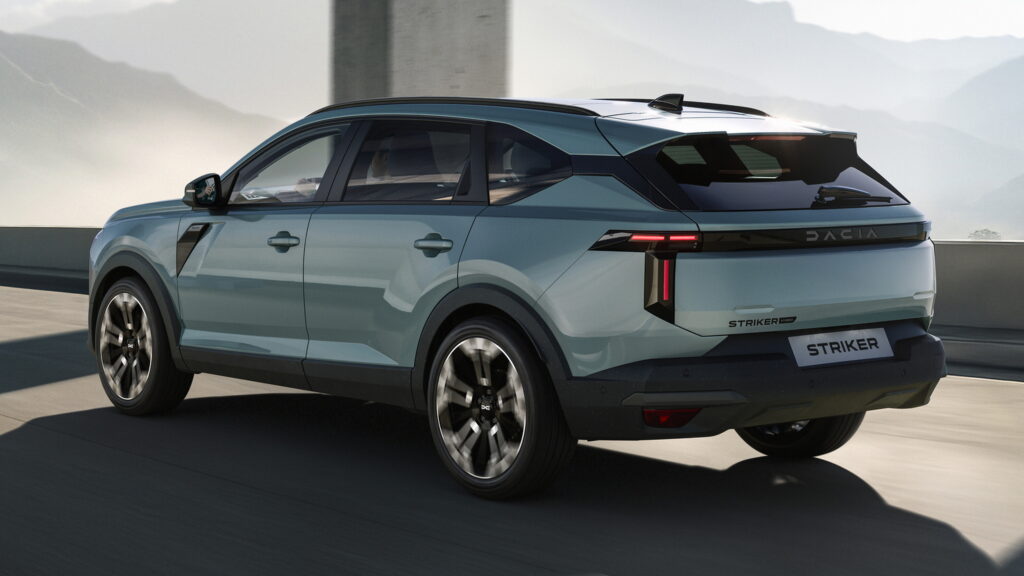
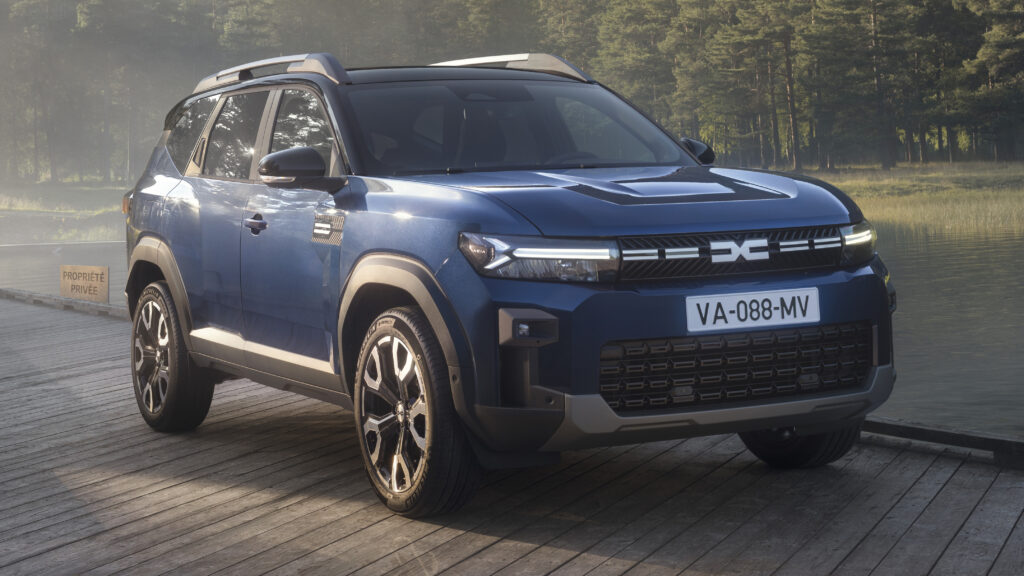
Furthermore, Dacia plans to become more active in the compact segment. The SUV Bigster will soon be joined by the Striker crossover-estate, and engineers are already working on the next generation of the brand’s bestseller, the Sandero model.
New City Electric Vehicle
Dacia plans to start its electric offensive with the debut of a new affordable city electric vehicle. Its price will be less than 18,000 euros, and the presentation is scheduled for the second half of this year. This model will coexist on the market with the electric Dacia Spring, which is produced in China, despite their similar size and positioning.
The new model, whose name has not yet been disclosed, will be built on the RGEV architecture. This platform is likely a new name for the AmpR Small used by Renault for the Twingo E-Tech. Importantly, the development of this electric vehicle took less than 16 months. Its production is expected to be established at the Dacia plant in Novo Mesto, Slovenia.
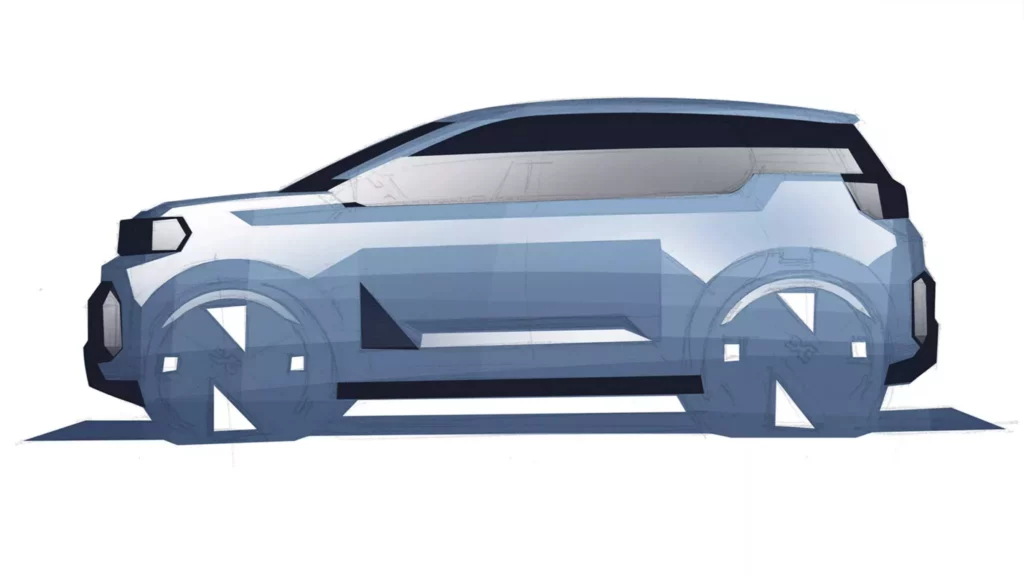

Details regarding the other three planned electric models remain shrouded in secrecy for now. However, analysts suggest that one of them will be a fully electric version of the next-generation subcompact hatchback Sandero. Another possible candidate is a production version of the Hipster concept car, which could target an even smaller market segment.
Plans for the Next Generation Sandero
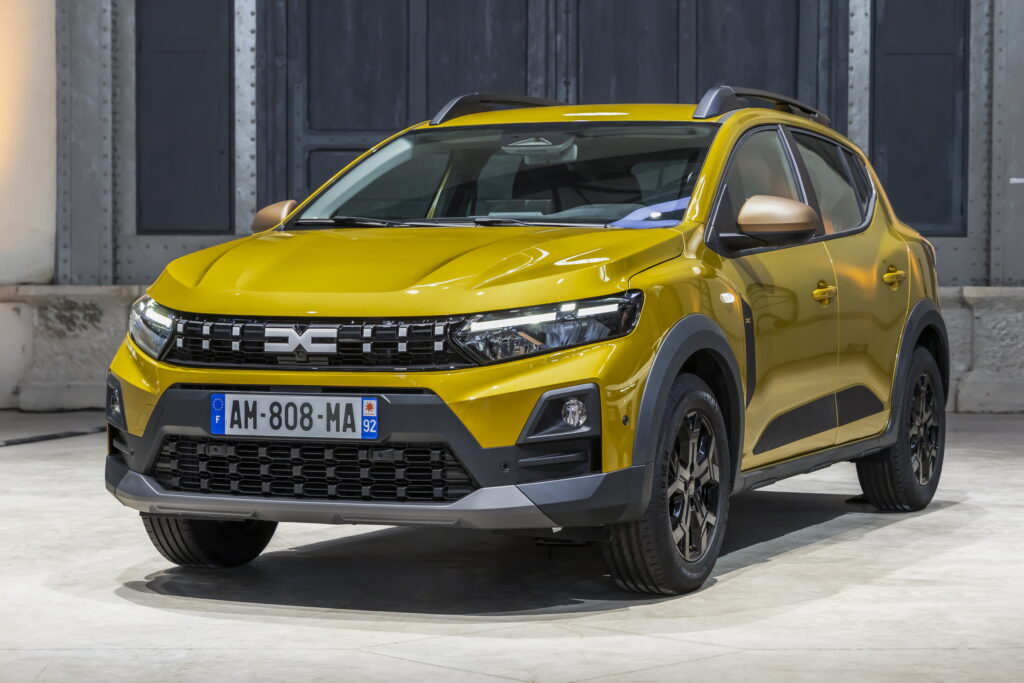
The Sandero model became the best-selling passenger car in Europe in 2024 and 2025. Moreover, it has held the title of “the number one car sold to private customers” since 2017. The current generation debuted in 2020 and received updates in 2022 and 2024, with a facelift planned for 2026. Despite this, Dacia is already actively working on its successor.
The next Sandero will have a “multi-energy powertrain range,” aligning with Dacia’s overall electrification strategy.
This means the appearance of hybrid and fully electric variants alongside internal combustion engines compatible with gasoline and liquefied petroleum gas (LPG). The company emphasizes that regardless of the powertrain, the new generation will remain the benchmark for price-to-quality ratio in its segment. Preliminary data points to a possible model debut in 2028.

Electrification Sales Targets
Over the past decades, Dacia has demonstrated significant resilience, transforming from a regional player into a major European automaker. Last year, the Romanian brand surpassed the mark of 10 million cars sold since its relaunch under Renault’s wing in 2004.
As electrification spreads across the entire lineup, Dacia expects a significant shift in its sales structure. The company believes that the share of electric vehicles (both fully electric and hybrid) in the future could reach approximately 67% of total new car sales. For comparison, this figure is about 25% today. Alongside hybrids and EVs, the brand continues to bet on models with LPG engines as part of its economy-focused strategy.

As one might expect, Dacia places great emphasis on cost efficiency. Its business model provides a cost advantage of around 15% compared to the rest of the market. According to the company, this advantage is achieved through local integration, high utilization of production capacity, and a distribution model that operates with costs less than half the average of Western European competitors.
Dacia also emphasizes the high loyalty of its customer base. In Europe, over 70% of Dacia buyers remain within the brand for their next purchase, and another 10% switch to Renault cars. At the same time, approximately 65% of customers buying a Dacia for the first time were not previously customers of the Renault Group.

Dacia’s planned electric transformation is taking place against the backdrop of pan-European trends, where affordability remains a key factor for the mass transition to electric vehicles. The success of models like the Sandero has proven that the market urgently needs technological solutions that are not accompanied by sharp price increases. Therefore, the emergence of an electric vehicle priced below 18,000 euros could become a significant event not only for the brand but for the entire European market, setting a new benchmark for electric transport affordability. Maintaining customer loyalty and attracting new buyers from other brands will be crucial factors in achieving the ambitious target of 67% electrified sales in the future.